With over 20 years of investigative experience in both the investigative field and background research departments; our investigators will help you find the information necessary to make educated business, financial, and legal decisions.

Phishing Threats Are on the Rise: Organizations Must Assess Their Vulnerability

Frank Costa, President of NEXGEN Protection Services on Phishing Threats:

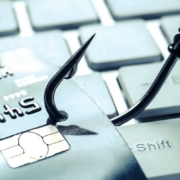
As AI-powered tools become more accessible, phishing threats are aon the rise. Attackers are increasingly targeting multiple channels to bypass security measures, beginning with phishing emails that contain links to video meetings featuring a deep fake.

Phishing attacks are becoming increasingly sophisticated, making it essential for organizations to assess their vulnerability. Hackers now have access to advanced AI-powered tools that enable them to craft email messages, create malicious payloads, and even generate deep fakes. These technologies—and the cyberattacks they facilitate—are more accessible than ever, particularly as cybercriminals tap into the growing “Crime as a Service” (CaaS) ecosystem. Providers now sell everything from attack tools to pre-packaged phishing kits designed to bypass native defenses and secure email gateways (SEGs).

Threat actors can leverage AI at every stage of a phishing attack, from speeding up the intelligence-gathering process on potential targets to automating the creation and distribution of highly personalized attacks. The use of AI accelerates and scales up attack creation, allowing even less-experienced cybercriminals to launch sophisticated campaigns. 

Impersonation attacks are another common tactic. The most frequent form involves attackers posing as the recipient’s company, accounting for 16% of phishing emails. The Human Resources (HR) department is often impersonated in these attacks. Cybercriminals also use platforms like LinkedIn, company websites, and news announcements to identify new hires at target organizations. These newly hired employees are then targeted in impersonation and social engineering attacks. New employees are frequently the victims of phishing emails impersonating VIPs, particularly in CEO fraud schemes.

To strengthen defenses, organizations can adopt best practices that help build a “human firewall.” The first step is to understand and communicate what constitutes normal behavior for brands and suppliers, which can aid in detecting impersonation. Organizations should also standardize and validate communication channels, especially for roles like HR and IT. Finally, companies should assess their vulnerability to supply chain and vendor-based compromises.

Source:
Alger, J. (February 20, 2025). Mobile Phishing Threats Are Evolving, According to New Research. Security Magazine.


 

Loss Prevention Strategies

Loss Prevention Strategies for Combating Organized Retail Theft

Frank Costa, President of NEXGEN Protections Services on Loss Preventions Strategies:

Organized retail theft (ORT) impacts more than just a retailer’s bottom line; it creates dangerous environments for both staff and shoppers. The increasing incidents of violence and aggression have pushed retailers to invest heavily in loss prevention strategies. In response, major retailers are partnering with technology innovators to strengthen their defenses. 

(ORT) involves coordinated efforts by professional thieves to steal large quantities of merchandise from retail stores. Unlike casual shoplifting, ORT is systematic, with stolen goods often resold through various channels, including online marketplaces. This form of theft has seen a significant rise in recent years, resulting in billions of dollars in annual losses for retailers.

Companies such as Walmart, Target, Lowe’s, Kroger, Macy’s, CVS, and others are at the forefront, using cutting-edge technology to deter and detect criminal activity. From advanced video surveillance systems to biometric cameras and autonomous security robots, retailers are deploying a formidable arsenal to combat the growing threat of ORT. Central to this technological revolution is the integration of artificial intelligence (AI), which enhances the sophistication and effectiveness of existing security measures.

Source:
Danielson, R. (February 20, 2025). Retail Resilience: Technology Strategies to Combat Organized Theft. Security Magazine.
Hashtags: #protectionservices #securitystandards #publicsafety #mobilesecurity #securitythreats


Terrorist-Organizations

The Trump Administration Designates Several Cartels as Terrorist Organizations

Frank Costa, President of NEXGEN Protection Services on Terrorist Organizations:

The Trump administration designated eight Latin American cartels as terrorist organizations on Thursday, a designation typically reserved for groups with political goals achieved through violence.

The U.S. Department of State filed the notice of the designation in The Federal Register on February 20. The action targets the following cartels:

  • Cartel del Golfo (CDG), also known as the Gulf Cartel and the Osiel Cárdenas-Guillén Organization
  • Cartel del Noreste (CDN), also known as the Northeast Cartel and Los Zetas
  • Cartel de Jalisco Nueva Generación (CJNG), also known as the Jalisco New Generation Cartel
  • Cartel de Sinaloa, also known as the Sinaloa Cartel, the Mexican Federation, and the Guadalajara Cartel
  • Carteles Unidos, also known as United Cartels, Tepalcatepec Cartel, Cartel de Tepalcatepec, the Grandfather Cartel, Cartel del Abuelo, and Cartel de Los Reyes
  • La Nueva Familia Michoacana (LNFM)
  • Mara Salvatrucha (MS-13)
  • Tren de Aragua (Aragua Train)

The eight cartels’ members are described as “foreign persons who have committed or attempted to commit, pose a significant risk of committing, or have participated in training to commit acts of terrorism that threaten the security of U.S. nationals or the national security, foreign policy, or economy of the United States,” according to the State Department filing.

Source:
Gates, M. (February 20, 2025). United States Designates 8 Cartels as Terrorist Organizations. Security Management Magazine.


Security Protection

Executive Security Protection: Risks, Extremist Influencers, Shifting Tactics

Frank Costa, President of NEXGEN Protection Services on Security Protection:

Concerns about executive safety remain high. Not only was UnitedHealthcare CEO Brian Thompson tragically killed in December 2024, but there have also been multiple other incidents involving threats against business executives. Additionally, social media influencers and other sources have incited calls for similar attacks.

High-level executives without an executive security protection (EP) team are increasingly vulnerable to becoming targets.

The heightened emotional climate surrounding politics and public figures has made executive protection more challenging—and more essential. Politically motivated threats were notably higher in 2024. More than 50 members of Congress were victims of swatting attacks, and 700 members had faced threats the previous month. (Many threats were not publicly reported, so they are not included in TorchStone’s official threat count.)

Tactics are also evolving. Threat incidents are now categorized as verbal or written threats, harassment, stalking, physical attacks, and other crimes, which may include financially motivated offenses such as robberies, home invasions, and property crimes.

Source:
Gates, M. (February 5, 2025). EP Trends: Residential Risks, Extremist Influencers, Shifting Tactics. Security Management Magazine.


How Security Is Shaping the Cannabis Industry

How Security Is Shaping the Cannabis Industry

Frank Costa, President, Nexgen Protection Services

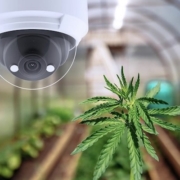
A surveillance system can help protect your business from theft, particularly employee theft, which is a widespread issue in the cannabis industry. For large outdoor growing operations, having a monitoring system in place provides peace of mind by securing your property from all angles at all times.

Source:
Baxter, K. (2025, January 13). How security is shaping the cannabis industry. Security InfoWatch.

#protectionservices #securitystandards #publicsafety #mobilesecurity #securitythreats


Security Protection to Ensure the Safety and Well-Being of Students

Security Protection to Ensure the Safety and Well-Being of Students

Frank Costa, President, Nexgen Protection Services

To ensure the safety and well-being of students, security protection should encompass both physical measures—such as secured perimeters, surveillance systems, and controlled access points—and proactive approaches, including anti-bullying policies, mental health support, positive student-teacher relationships, and comprehensive emergency response plans. All of this should be implemented while fostering a safe and inclusive school environment.

Source:
Intelligent Security for Safer Schools. Security InfoWatch (January 2, 2025).

#protectionservices #securitystandards #publicsafety #mobilesecurity #securitythreats


Remote Video Monitoring: The Future of Security for Businesses

Remote Video Monitoring: The Future of Security for Businesses

Frank Costa, President, Nexgen Protection Services

The future of security isn’t just on our doorstep — it’s breaking down the front door.
The security industry has experienced unprecedented advancements in technology and public policy, reshaping the way we approach safety and protection. And this rapid pace of change shows no signs of slowing.

Remote video monitoring (RVM) is poised to become a non-negotiable security tool for businesses — and soon, for homes.

2025 is not just about better security; it’s about smarter, proactive protection. RVM will be at the center of this shift.

This innovative approach addresses the limitations of on-site security guards and traditional surveillance systems. By integrating AI into RVM, businesses can mitigate human error, significantly reduce costs, and set new industry standards. Those who harness the power of AI for RVM will be well-positioned to thrive in this new era.


SOURCE: 

Selinger, D. 2025 will mark a turning point in physical security tech. Here’s why. Deep Sentinel, 12/20/2024.
#protectionservices #securitystandards #publicsaftey  #mobilesecurity #securitythreats


Do’s and Don’ts of GenAI for Security Metrics

Do’s and Don’ts of GenAI for Security Metrics

Frank Costa, President, Nexgen Protection Services


Security teams must get it right—there’s no room for error.

Do you use ChatGPT or other AI generators for your business security? Regardless of how you implement GenAI, what truly matters is what you do—and don’t do.

There’s no doubt that GenAI models are powerful tools. When adopted responsibly, they can help streamline security protocols, optimize time, and more. However, it’s crucial to remain fully aware of the limitations of GenAI models.

For starters, never underestimate the importance of keeping the human touch in your work. As smart as AI might seem, it cannot capture the intangibles that come from human intuition.

AI lacks a sense of bias and is unaware of what constitutes correct or incorrect facts. Therefore, it is vital to proofread any AI-generated content and verify all facts before acting on the data.

GenAI models are trained on vast amounts of data from multiple sources, meaning there is always a risk that AI-generated content could contain plagiarized text.


SOURCE: 

Shelmire, A. Liars in the wires: Getting the most from GenAI without getting duped, Security Magazine, 09/19/2024.
#protectionservices #securitystandards #publicsaftey  #mobilesecurity #securitythreats


Building a Diverse, Resilient Team to Enhance Effectiveness

Building a Diverse, Resilient Team to Enhance Effectiveness

Frank Costa, President, Nexgen Protection Services


Resilient teams possess four key traits that contribute to their success: collaboration, diverse skill sets, camaraderie, and positivity.

In today’s fast-paced and ever-changing business landscape, resilience is essential. It is the ability to respond to events or crises in a coordinated manner, minimizing damage and enabling a sustainable path forward. And it all starts with building resilient teams.

These teams are prepared to navigate disruptive events—or a series of events—with cohesion and precision. As a result, when they emerge on the other side, the need for damage control is minimal, and resuming operations and returning to business as usual is both straightforward and sustainable. That’s the goal.

Don’t avoid conflict—tackle it head-on. Even if it’s as subtle as a silent expression in a meeting, leave no stone unturned when it comes to gauging your team’s sentiments and perspectives. Build a culture of transparency and honesty, and make sure to listen to your people.


SOURCE: 

Horton, M. Building organizational resilience for sustainable success, Security Magazine, 10/03/2024.
#protectionservices #securitystandards #publicsaftey  #mobilesecurity #securitythreats


Aligning your metrics to key security processes within the organization is what’s really important. The challenge is to measure the right things.

Understand What Security Processes Are Essential For The Business To Succeed

Frank Costa, President Nexgen Protection Services – 

Aligning your metrics to key security processes within the organization is what’s really important.  The challenge is to measure the right things.

Security managers need to speak to senior leaders in familiar business language, offering measurable results that correlate with investment. Without compelling metrics, security managers and their budgets rely largely on the intuition of company leadership.

Experts agree, saying what’s important isn’t just about the numbers used but how those measures highlight that business story while solving problems to further business goals.


SOURCE: 

Randolph, C. Metrics that matter: How security professionals can show value, Security Magazine, 11/05/2024.
#protectionservices #securitystandards #publicsaftey  #mobilesecurity #securitythreats