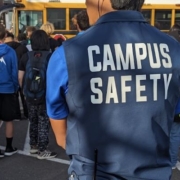

De-Escalation Saves Lives

De-Escalation Saves Lives

By Frank Costa, President, Nexgen Protection Services

In healthcare environments, “Code White” is a term staff use when calling for assistance during incidents involving aggressive patients or residents. These situations require more than a rapid response—they require professionalism, emotional intelligence, and a strong focus on de-escalation.

Regardless of the reason a security team is called, establishing rapport is one of the most important first steps. The presence of a uniform can set the tone immediately, especially for individuals who may have had prior negative experiences with authority figures. That initial interaction can either escalate tension or help restore calm.

Protection services within healthcare settings are unique because they extend beyond traditional security functions. There is often a strong emphasis on patient-centered care, where officers can support nursing staff by assisting with non-clinical needs—such as providing comfort items like blankets, offering directions, or helping patients understand available resources upon discharge.

This supportive role helps reduce pressure on clinical teams while improving the overall patient experience. Most importantly, the goal is always de-escalation. Preventing escalation protects patients, staff, and visitors while maintaining a safe and respectful environment for care delivery.

According to the U.S. Department of Health and Human Services, effective workplace violence prevention in healthcare relies heavily on early intervention, communication, and de-escalation strategies to reduce risk and improve outcomes (U.S. Department of Health and Human Services, 2023).

Safety and compassion must work together in healthcare security.

#HealthcareSecurity #DeEscalation #PatientSafety #WorkplaceSafety #HospitalSecurity #SecurityServices #PublicSafety #RiskManagement #HealthcareWorkers #CrisisIntervention #NexgenProtection #SafetyFirst

Reference
U.S. Department of Health and Human Services. (2023). Workplace violence prevention in healthcare settings. HHS Workplace Violence Prevention


 

New Executive Protection Standard

New Executive Protection Standard

By Frank Costa, President, Nexgen Protection Services

SIS International has introduced a groundbreaking executive protection standard designed to address the growing complexity and sophistication of threats facing today’s corporate leaders. As risks continue to evolve across physical, digital, and reputational domains, security professionals must operate within a clear, consistent, and highly disciplined framework.

This new standard provides executive protection professionals with structured guidance to deliver world-class protection services while maintaining the highest levels of professionalism, accountability, and operational consistency. It emphasizes proactive threat assessment, intelligence-led planning, and coordinated response strategies that support both safety and continuity of business operations.

Modern executive protection is no longer limited to physical escort or visible deterrence. It requires a comprehensive approach that integrates situational awareness, risk forecasting, communication protocols, and cross-functional coordination with internal stakeholders and external agencies when necessary.

By establishing unified best practices, SIS International aims to elevate industry expectations and ensure that protection services remain adaptive to emerging threats. This framework supports a higher level of readiness for security professionals tasked with safeguarding executives in increasingly unpredictable environments.

According to the U.S. Department of Homeland Security, effective protective security programs rely on standardized procedures, intelligence integration, and layered mitigation strategies to reduce exposure to risk (U.S. Department of Homeland Security, 2023).

As the threat landscape evolves, so must the standards that define protection.

#ExecutiveProtection #SecurityStandards #RiskManagement #CorporateSecurity #ProtectiveServices #ThreatAssessment #SecurityProfessionals #IntelligenceLedSecurity #WorkplaceSafety #PrivateSecurity #SecurityLeadership #SISInternational

Reference
U.S. Department of Homeland Security. (2023). Protective security frameworks and risk mitigation strategies. DHS Protective Security


Protection Is Strategic Security

Protection Is Strategic Security

By Frank Costa, President, Nexgen Protection Services

There is a clear difference between simply having security and having professional protection. While both terms are often used interchangeably, the reality is that their effectiveness depends on strategy, training, and execution.

Basic security may focus on responding to incidents after they occur. Professional protection, however, is proactive. It is built on prevention, situational awareness, risk assessment, and the ability to intervene before a situation escalates into a critical event.

Real protection is strategic. It involves understanding patterns of behavior, identifying vulnerabilities within a site, and implementing measures that reduce exposure to risk. Trained professionals do not just observe—they anticipate. They assess environments in real time, communicate effectively under pressure, and take action designed to prevent harm before it happens.

This distinction is especially important in environments such as healthcare facilities, financial institutions, schools, events, and commercial properties where safety, reputation, and continuity of operations are directly impacted by security performance.

According to the U.S. Department of Homeland Security, effective security programs are built on layered prevention strategies that combine personnel, procedures, and awareness to reduce threats before they materialize (U.S. Department of Homeland Security, 2023).

Protection is not reactive—it is intentional, disciplined, and forward-thinking.

#Security #ProfessionalProtection #RiskManagement #CrimePrevention #PrivateSecurity #PublicSafety #SecurityServices #WorkplaceSafety #ThreatPrevention #SecurityStrategy #LossPrevention #SafetyFirst

Reference
U.S. Department of Homeland Security. (2023). Protective security and risk reduction strategies. DHS Protective Security


Events Run on Security

Events Run on Security

By Frank Costa, President, Nexgen Protection Services

Successful events don’t happen by chance—they are built through deliberate planning, coordinated execution, and professional security oversight. From concerts and festivals to corporate gatherings and private functions, safety and experience are equally important outcomes that must be managed from the start.

Effective security begins at entry points, where access control helps ensure only authorized individuals enter the venue. From there, trained personnel monitor crowd flow, identify potential risks, and maintain order throughout the event space. Crowd management is not just about control—it is about anticipation, communication, and the ability to respond quickly when conditions change.

Professional security teams are trained to recognize early indicators of escalation, de-escalate conflicts, and coordinate responses that prioritize both safety and guest experience. Their presence allows event organizers to focus on operations while maintaining confidence that safety is being actively managed in real time.

Strong crowd management strategies reduce liability, improve attendee satisfaction, and support the overall success of the event. When security is integrated into planning rather than treated as an afterthought, events operate more smoothly and safely from start to finish.

At every level, preparedness matters. Safety, structure, and professionalism are what turn a good event into a successful one.

#EventSecurity #CrowdManagement #SecurityServices #PublicSafety #RiskManagement #EventPlanning #PrivateSecurity #SafetyFirst #SecurityProfessionals #VenueSecurity #LossPrevention #EmergencyResponse

Reference
Occupational Safety and Health Administration. (2023). Crowd management safety guidelines for public events. U.S. Department of Labor. OSHA Event Safety Guidance


Safer Communities Through Action

Safer Communities Through Action

By Frank Costa, President, Nexgen Protection Services

Action. The primary mission of Nexgen Protection is simple but critical: reduce crime and make our communities safer through consistent, visible, and professional security support. Safety is not achieved through reaction alone—it is built through presence, prevention, and partnership.

Our team works directly in the field alongside law enforcement agencies and community partners to strengthen visibility in high-risk areas, deter criminal activity, and support safer public environments. This collaborative approach helps bridge the gap between private security and public safety resources, creating a more coordinated and effective response to community needs.

A visible security presence plays a key role in prevention. It discourages opportunistic behavior, reassures residents and business owners, and provides an immediate point of contact when concerns arise. Just as important, it supports law enforcement efforts by extending awareness and coverage into areas where additional presence can make a measurable difference.

Community safety is not the responsibility of one group alone. It requires coordination, communication, and shared commitment. When security professionals, law enforcement, and local stakeholders work together, the result is a stronger, safer environment for everyone.

Action. At Nexgen Protection, we remain committed to proactive engagement, deterrence strategies, and community-focused security solutions designed to protect people where they live, work, and gather.

Safer communities are built through presence and partnership.

#CommunitySafety #CrimePrevention #SecurityServices #PublicSafety #LawEnforcement #PrivateSecurity #RiskManagement #NeighborhoodSafety #CrimeDeterrence #SecurityProfessionals #NexgenProtection #SaferCommunities

Reference
U.S. Department of Justice. (2023). Community-oriented policing services and crime prevention strategies. DOJ COPS Office


High-Tech-Auto-theft.-Gone-in-60-Seconds.

High-Tech Auto theft – Gone in 60 Seconds.

Frank Costa, President, Nexgen Protection Services

Gone in 60 Seconds. That’s the reality of today’s organized, high-tech auto theft rings. In recent cases, more than 100 vehicles were stolen across multiple states, quickly moved through coordinated networks, and shipped overseas—often hidden in containers falsely labeled as household goods. This isn’t random crime; it’s fast, strategic, and highly profitable.

For businesses, executives, and fleet owners, this highlights a critical point: reactive security is no longer enough. Proactive protection is essential.

Hiring a professional security protection team adds layers of defense that technology alone can’t provide. Trained personnel conduct risk assessments, monitor vulnerable access points, coordinate surveillance systems, and respond in real time. They also help implement deterrence strategies—because a visible security presence can significantly reduce targeting.

Beyond prevention, these teams support incident response, documentation, and coordination with law enforcement—reducing downtime, financial loss, and operational disruption. For companies managing vehicle fleets or high-value assets, this isn’t just about safety—it’s about continuity and protecting your bottom line.

Organized crime is evolving. Your security strategy should too.

APA Source:
United States Department of Justice. (2024). Multi-state auto theft ring dismantled; vehicles trafficked overseas.

#SecurityMatters #RiskManagement #AssetProtection #CorporateSecurity #BusinessContinuity #FleetManagement #CrimePrevention #ExecutiveProtection #PhysicalSecurity #SecurityStrategy


Security-Guard-Stops-Violence-in-Its-Tracks-—-Knife-Wielding-Attacker-Shot-at-Hospital-

Security Guard Stops Violence in Its Tracks — Knife-Wielding Attacker Shot at Hospital ER

By Frank Costa, President, Nexgen Protection Services

A serious incident at Montefiore St. Luke’s Cornwall Hospital in Newburgh highlights the urgent role private security plays when public safety resources are strained. On the night of November 13, a 45-year-old man allegedly pulled a fire alarm in the hospital’s emergency-room lobby, then brandished a knife and attacked a security guard. In response, an armed guard fired one round — the attacker was pronounced dead. A bystander was also wounded, though her injuries are reportedly non-life-threatening. NBC New York+2CBS News+2

This tragic event underscores a larger reality: with police shortages and increasing demands on public safety, hospitals and institutions are increasingly reliant on private security. But while private guards can bridge critical safety gaps — especially in high-risk settings like emergency rooms — this incident raises important questions about training, protocols, accountability, and the burden placed on private security personnel.

As communities explore public–private safety partnerships, several priorities must guide decision-makers and security leaders:

  • Rigorous training & scenario preparedness — private officers may face life-and-death situations; proper training matters.

  • Clear rules of engagement and oversight — even justified force demands transparency and clarity.

  • Support systems for bystanders and staff — collateral trauma, as seen when a bystander was injured, must be addressed.

  • Collaboration with public safety & health institutions — coordination ensures that private security augments, not replaces, public-safety infrastructure.

Institutions can no longer assume security is a “nice to have.” As police staffing challenges persist, private security is becoming a frontline defense — especially in environments where lives, health, and community safety intersect.

It’s vital that we approach this shift with responsibility, structure, and accountability. When done right, public–private security collaboration can help protect communities — but only if standards are high and oversight is uncompromising.

#PublicSafety #PrivateSecurity #HospitalSecurity #SecurityLeadership #SafetyStandards #CommunitySafety #LawEnforcementPartnership #CrisisManagement

Reference
NBC New York. (2025, November 14). Hospital fire alarm puller shot dead in ER lobby after attacking security guard. City of Newburgh Police Department.

The Rise of Drone and Robotics Solutions in Security & Surveillance

The Rise of Drone and Robotics Solutions in Security & Surveillance

By Frank Costa, President, Nexgen Protection Services

According to Security Magazine, drones and robotics are transforming how organizations approach security and surveillance. From real-time perimeter monitoring to rapid response and data-driven situational awareness, these technologies are enhancing safety, efficiency, and coverage across industries.

As AI and automation continue to evolve, we’re witnessing a shift from reactive to proactive security operations — where machines extend human capability, rather than replace it.

The challenge now lies in integration, regulation, and trust — ensuring these systems operate safely, ethically, and effectively alongside traditional security measures.

#SecurityTechnology #Drones #Robotics #Surveillance #AIinSecurity #SecurityInnovation #PhysicalSecurity #TechTrends #Automation #SecurityMagazine #FutureOfSecurity


Reference:

Sutherland, T. (2025, August 6). Product Spotlight on Drones & Robotics. Security Magazine. Retrieved from https://www.securitymagazine.com/articles/101971-product-spotlight-on-drones-and-robotics


Evolving-the-Guard-Force-Where-Tech-Meets-Talent

Evolving the Guard Force: Where Tech Meets Talent

Technology and shifting market demands are reshaping how security guard forces are deployed, trained, and managed (Security Management Magazine, 2025).

At Nexgen Protection Services, we’re embracing these changes—integrating smart tools, data-driven oversight, and enhanced training to deliver modern, efficient, and responsive security solutions.

As the industry evolves, one thing remains constant: our commitment to people-first protection backed by innovation.

Reference:
Security Management Magazine. (2025). How technology and market forces are transforming security guard management. https://www.asisonline.org/security-management-magazine

#NexgenProtection #SecurityInnovation #GuardForceManagement #PrivateSecurity #SecurityTechnology #WorkforceDevelopment #ModernSecurity #SecurityLeadership #SmartSecurity #SecurityManagementMagazine


Private-Security-Higher-Ed-A-New-Playbook-for-Campus-Safety-

Private Security & Higher Ed: A New Playbook for Campus Safety

Major universities across the U.S. are partnering with private security firms to strengthen safety and elevate guest experience at sporting events and campus gatherings.

At Nexgen Protection Services, we understand that these events demand more than crowd control—they require specialized staffing, advanced training, and a focus on professional, service-oriented engagement.

These collaborations are enhancing not just safety, but also trust and comfort for students, faculty, and guests alike.

Reference:
Security Guard Services Magazine. (2025). Universities partner with private security to enhance event safety and service. https://www.securityguardservicesmagazine.com

#NexgenProtection #CampusSecurity #EventSecurity #UniversitySafety #PrivateSecurity #GuestExperience #SecurityTraining #CrowdManagement #SecurityCollaboration #SecurityGuardServicesMagazine #HigherEdSafety