

Executive Protection: Corporations Ramp Up Security in an Era of Heightened Threats
By Frank Costa, President, Nexgen Protection Services
In today’s environment, corporate leaders face a growing range of risks—from targeted harassment and stalking to organized crime and geopolitical spillover. As visibility increases, so does vulnerability. More organizations are recognizing that executive protection is no longer a luxury—it’s a strategic necessity.
Hiring a professional security protection team provides more than just a physical presence. It delivers comprehensive risk assessments, advance planning for travel and events, real-time threat monitoring, and rapid response capabilities. These teams are trained to identify vulnerabilities before they’re exploited, ensuring continuity of operations and safeguarding leadership at critical moments.
Executive protection also strengthens organizational resilience. When leaders can operate confidently and securely, decision-making improves and business disruptions are minimized. Additionally, visible and well-coordinated security sends a clear message: your organization takes safety, privacy, and risk management seriously.
In an era where threats evolve quickly, proactive protection is a business investment—not just a safety measure.
APA Source:
ASIS International. (2023). Executive protection: Emerging trends and best practices for corporate security programs.
#ExecutiveProtection #CorporateSecurity #RiskManagement #LeadershipSafety #BusinessContinuity #SecurityStrategy #ThreatAssessment #CrisisManagement #WorkplaceSafety #ProtectWhatMatters

High-Tech Auto theft – Gone in 60 Seconds.
Frank Costa, President, Nexgen Protection Services
Gone in 60 Seconds. That’s the reality of today’s organized, high-tech auto theft rings. In recent cases, more than 100 vehicles were stolen across multiple states, quickly moved through coordinated networks, and shipped overseas—often hidden in containers falsely labeled as household goods. This isn’t random crime; it’s fast, strategic, and highly profitable.
For businesses, executives, and fleet owners, this highlights a critical point: reactive security is no longer enough. Proactive protection is essential.
Hiring a professional security protection team adds layers of defense that technology alone can’t provide. Trained personnel conduct risk assessments, monitor vulnerable access points, coordinate surveillance systems, and respond in real time. They also help implement deterrence strategies—because a visible security presence can significantly reduce targeting.
Beyond prevention, these teams support incident response, documentation, and coordination with law enforcement—reducing downtime, financial loss, and operational disruption. For companies managing vehicle fleets or high-value assets, this isn’t just about safety—it’s about continuity and protecting your bottom line.
Organized crime is evolving. Your security strategy should too.
APA Source:
United States Department of Justice. (2024). Multi-state auto theft ring dismantled; vehicles trafficked overseas.
#SecurityMatters #RiskManagement #AssetProtection #CorporateSecurity #BusinessContinuity #FleetManagement #CrimePrevention #ExecutiveProtection #PhysicalSecurity #SecurityStrategy
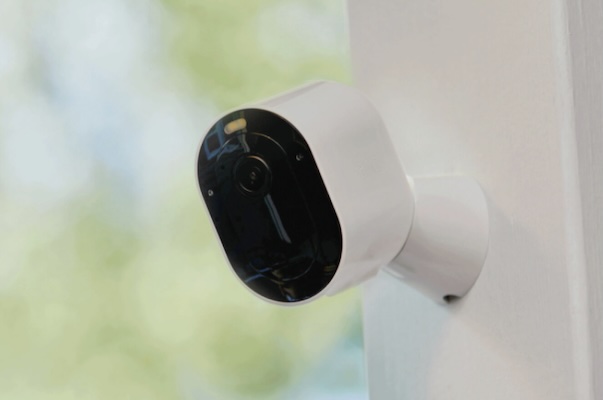
Eliminate Blind Spots for Stronger Security
Blind spots in your facility can create costly vulnerabilities that compromise safety, operations, and assets. Even a single unmonitored area can become an entry point for theft, vandalism, or other security incidents.
Frank Costa, President, Nexgen Protection Services
Commercial surveillance solutions are essential for addressing these risks. By improving visibility across key areas of your property, organizations can detect threats earlier, respond faster, and strengthen day-to-day protection.
Effective surveillance goes beyond cameras—it’s about strategic placement, integration, and real-time monitoring. When blind spots are eliminated, security teams gain actionable intelligence, staff feel safer, and potential losses are reduced.
Investing in a comprehensive security system is not just about responding to incidents; it’s about prevention, deterrence, and resilience. Businesses that prioritize visibility are better positioned to protect their people, assets, and reputation.
The takeaway is clear: you can’t protect what you can’t see. Address blind spots proactively and turn surveillance into a strategic advantage.
Reference (APA):
Fennelly, L. J. (2022). Effective physical security (6th ed.). Butterworth-Heinemann.
#CommercialSecurity #Surveillance #RiskManagement #PhysicalSecurity #SecurityStrategy #AssetProtection #CrimePrevention #BusinessContinuity #SecuritySolutions #ThreatDetection