

When Home Isn’t Safe: Lessons in Security
Lessons in Security.
A mother in Chicago experienced every homeowner’s nightmare: strangers had taken over her first-floor apartment—allegedly even using her bed. The individuals, a 46-year-old woman and a 63-year-old man, were cited for trespassing, but the impact went far beyond legal action.
By Frank Costa, President, Nexgen Protection Services
The incident highlights critical concerns about access control, and tenant protection. How could unknown individuals gain entry so easily? And more importantly, how can residents feel safe in their own homes?
Beyond the shock, this event forced the mother to relocate from her own apartment, underscoring the profound emotional and practical consequences of breaches. Stories like these are sparking conversations across Chicago—and nationwide—about the importance of proactive measures in multi-unit housing.
Effective strategies include:
- Controlled building access – key cards, secure locks, and visitor verification.
- Surveillance systems – cameras in common areas and entry points.
- Tenant awareness and training – knowing how to report suspicious activity quickly.
- Rapid response protocols – ensuring local authorities or building team can act immediately.
Protection isn’t just a convenience—it’s fundamental to peace of mind, safety, and community well-being. Residents deserve to feel protected in their homes, and building management teams must take these incidents seriously to prevent recurrence.
Reference (APA):
FOX Local. (2026, March 20). Chicago mother discovers strangers in her apartment.
#HomeSecurity #TenantProtection #RiskManagement #BuildingSecurity #ResidentialSafety #CrimePrevention #PhysicalSecurity #CommunitySafety #SecurityStrategy #Awareness
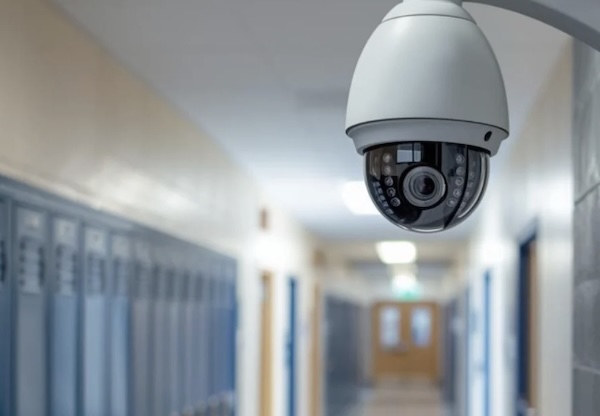
Layered Security Strengthens School Safety
School districts across the United States are increasingly adopting layered security strategies to protect students and staff amid evolving threats. From physical security measures to technology and training, a comprehensive approach is essential to address today’s complex risk environment.
By Frank Costa, President, Nexgen Protection Services — Layered Security
Layered security combines multiple protective measures:
- Physical barriers and controlled access – secure entrances, fencing, and visitor management systems.
- Surveillance and monitoring technology – cameras, alarms, and real-time alert systems.
- Staff training and emergency protocols – ensuring personnel know how to respond quickly and effectively.
- Behavioral awareness programs – helping educators and students identify early warning signs and report concerns.
By integrating these elements, districts create a resilient safety ecosystem where risks are detected early, threats are mitigated proactively, and response times are faster and more coordinated.
Beyond technology and procedures, fostering a culture of vigilance and communication is key. When students, staff, and administrators understand their role in security, the community as a whole becomes safer.
As threats continue to evolve, school districts that invest in layered, proactive security are better positioned to protect their most important assets—the people who learn, teach, and work on campus.
Reference (APA):
Fennelly, L. J. (2022). Effective physical security (6th ed.). Butterworth-Heinemann.
#SchoolSecurity #StudentSafety #RiskManagement #PhysicalSecurity #EmergencyPreparedness #SecurityStrategy #LayeredSecurity #ThreatPrevention #CampusSafety #SchoolSafety
Protection Happens Before the Headlines
Not every threat makes the news. And the ones that do often get dismissed. But effective protection isn’t based on headlines—it’s based on awareness.
By Frank Costa, President, Nexgen Protection Services – Security Protection
Security is about noticing behavior that doesn’t make sense, recognizing patterns before they escalate, and being present before something happens. It’s proactive, not reactive.
By the time a threat becomes obvious, it’s often already too late. Organizations that prioritize situational awareness, trained personnel, and real-time monitoring create environments where risks are identified and addressed long before they become crises.
This mindset transforms security from a defensive measure into a strategic advantage. Being alert, prepared, and observant allows teams to prevent incidents, protect people and assets, and maintain continuity—even in the face of unseen or evolving threats.
The lesson is clear: headlines report events after the fact, but true security works in the moments you don’t see. Invest in awareness, train your teams, and stay proactive—because prevention always beats reaction.
Reference (APA):
Fennelly, L. J. (2022). Effective physical security (6th ed.). Butterworth-Heinemann.
#SecurityAwareness #RiskManagement #ThreatPrevention #PhysicalSecurity #CorporateSecurity #ProactiveSecurity #SituationalAwareness #BusinessContinuity #SecurityStrategy #LeadershipProtection