
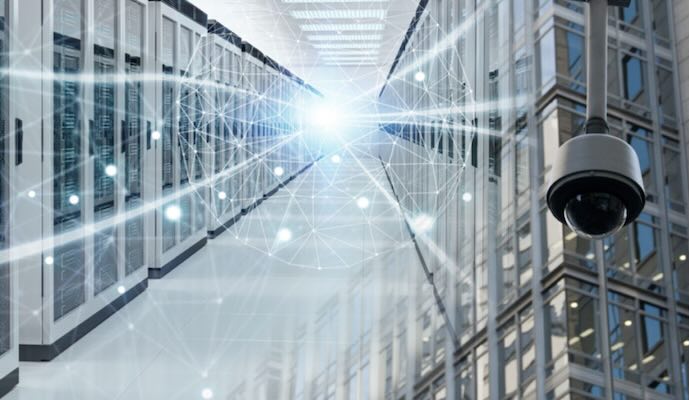
Cyber & Physical Security Must Be Integrated — Not Optional
Cyber & Physical Security Must Be Integrated
By Frank Costa, President, Nexgen Protection Services
Security threats no longer fit neatly into “cyber” or “physical” categories. They are converging—and organizations that fail to integrate both domains are increasingly exposed.
Recent warnings tied to the 2026 global event cycle highlight this shift. Reports of attempted cyber disruptions against high-profile international event infrastructure underscore how digital attacks can directly impact physical operations, logistics, and public safety. At the same time, the Cybersecurity and Infrastructure Security Agency (CISA) has urged organizations to replace end-of-life network and IoT devices, noting that unsupported systems are actively being targeted by attackers.
This is where hiring a modern security protection team becomes essential.
Integrated teams bridge the gap between cyber and physical security by combining threat intelligence, on-the-ground protection, and technical risk management. They recognize that vulnerabilities in outdated devices can translate into real-world access risks, and that physical environments—venues, facilities, personnel—are often entry points for broader digital compromise.
A unified security approach enables:
• Faster identification of cross-domain threats
• Stronger incident response coordination
• Reduced risk from outdated or unmonitored systems
• Improved resilience for events, infrastructure, and operations
In today’s environment, siloed security is a liability. Integration is the standard for resilience.
APA Source:
Cybersecurity and Infrastructure Security Agency. (2026). Advisory on end-of-life network and IoT device vulnerabilities and risk mitigation guidance.
#CyberSecurity #PhysicalSecurity #IntegratedSecurity #RiskManagement #ThreatIntelligence #CISA #CriticalInfrastructure #ExecutiveProtection #SecurityStrategy #BusinessContinuity
Beyond the Perimeter: The New Standard for Securing High-Visibility Events
Securing High-Visibility Events
By Frank Costa, President, Nexgen Protection Services
Securing large-scale, high-visibility events requires more than perimeter control—it demands intelligence-driven, proactive strategies that identify threats before they materialize.
Hiring a professional security protection team is critical to meeting this challenge.
Modern teams integrate protective intelligence, investigations, and real-time threat analysis to shift from reactive response to proactive prevention. By leveraging open-source intelligence (OSINT), behavioral analysis, and advanced data tools, they can detect early warning signs and intervene before risks escalate.
Equally important is coordination. Effective protection teams facilitate information sharing across agencies, ensuring unified situational awareness and faster decision-making in dynamic environments. They understand that threats often develop long before reaching the venue—making early detection essential.
The result is stronger risk mitigation, improved safety, and greater confidence for stakeholders and attendees alike.
In today’s environment, security isn’t just about response—it’s about anticipation.
APA Source:
U.S. Department of Homeland Security. (2023). National Special Security Events: Enhancing protective intelligence and interagency coordination.
#EventSecurity #ProtectiveIntelligence #RiskManagement #NationalSecurity #CorporateSecurity #ThreatAssessment #OSINT #CrisisManagement #PublicPrivatePartnerships #SecurityStrategy

Integrated Security: The Future of Protection
Integrated Security.
By Frank Costa, President, Nexgen Protection Services
The U.S. security services market—is undergoing a major transformation. The integration of physical protection, investigations, and cyber defense is no longer optional; it’s the new standard for organizations facing complex, multi-layered threats.
Hiring a professional security protection team is at the center of this shift.
Modern protection teams don’t operate in silos. They connect physical security with investigative intelligence and cybersecurity awareness, creating a unified strategy that identifies risks earlier and responds more effectively. Whether it’s detecting suspicious behavior on-site, uncovering fraud through investigations, or mitigating cyber-related vulnerabilities, integration leads to stronger outcomes.
This approach also improves efficiency and accountability. Instead of fragmented vendors and delayed communication, organizations benefit from a coordinated team that shares intelligence in real time and adapts quickly to evolving threats.
Most importantly, integrated security protects more than assets—it safeguards reputation, leadership, and business continuity.
As threats become more sophisticated, so must the response. Organizations that invest in integrated security teams position themselves to stay ahead, not react behind.
APA Source:
IBISWorld. (2024). Security services industry in the US: Market size and integrated security trends.
#IntegratedSecurity #CorporateSecurity #CyberSecurity #RiskManagement #ExecutiveProtection #BusinessContinuity #SecurityStrategy #ThreatIntelligence #PhysicalSecurity #Innovation