

Top Ten Factors to Consider to Offset Shrink
By Frank Costa, President, Nexgen Protection Services
Retail shrinkage, or “shrink,” refers to the difference between the inventory a retail company is supposed to have on hand according to their records and the actual inventory physically verified in-store. This loss of inventory is primarily caused by factors such as shoplifting, organized retail crime, employee theft, human or paperwork errors, vendor fraud, and other related issues. Shrink can significantly harm a retail business, eroding profits that are vital to its survival.
By taking a closer look at these and other challenges, as well as addressing the practices, concerns, and opportunities within stores, retailers can make an immediate and impactful difference in shrink performance.
While some factors may be beyond our control, there are several areas that can be addressed directly to mitigate shrink:
- Unsatisfactory Customer Service
Poor customer service can drive away shoppers and create an environment where theft goes unnoticed. - Poor Operational Controls
Weak operational processes and oversight allow opportunities for shrink to occur, whether through inefficiencies or gaps in security. - Lack of Store Cleanliness
A cluttered or dirty store can create hiding spots for stolen goods and negatively impact inventory management. - Substandard Merchandising Practices
Disorganized product displays and poorly stocked shelves can increase theft opportunities and lead to inventory discrepancies. - Ineffective Hiring Practices
Hiring unqualified or dishonest employees increases the risk of theft, either by employees themselves or by facilitating external criminals. - Cluttered Stockrooms
Messy or disorganized stockrooms make it harder to track inventory and may contribute to inventory losses going unnoticed. - Unattended and Untidy Fitting Rooms
Fitting rooms that are poorly maintained or left unattended provide opportunities for customers to steal items without being caught. - Poor Attention to Detail
A lack of attention to small details—like inventory discrepancies, damaged goods, or missing items—can compound shrink over time. - Unmotivated or Uninspired Employees
Employees who are disengaged or unmotivated may fail to notice suspicious activities, contributing to losses. - Closed Minds
A reluctance to adopt new technologies or strategies in loss prevention can result in missed opportunities to reduce shrink.
By addressing these common characteristics and improving the practices that lead to shrink, retailers can better protect their profits and ensure long-term business success.
Source:
Brittain, LPC, J. (February 6, 2025). 10 Common Characteristics of High-Shrink Stores. Loss Prevention Magazine.
Hashtags:
#ProtectionServices #SecurityStandards #PublicSafety #MobileSecurity #SecurityThreats

A Deep Dive Into the Landscape of Gun-Related Incidents Across the United States
By Frank Costa, President, Nexgen Protection Services
While active shooter events—where individuals enter a space with the intent to kill—are relatively rare, the most common gun-related incidents are often the result of personal disputes that escalate into violence. Other frequent incidents include weapons being discovered but not used, as well as shooting threats.
Two of the most powerful predictors of gun violence are:
- History of Aggression
Individuals with a history of aggressive behavior are more likely to engage in violent acts. Prior incidents of aggression should be closely monitored to assess potential risks. - Substance Abuse
Substance abuse, particularly involving alcohol and drugs, has a strong correlation with violent behavior. This factor should be considered when assessing threats.
GUN RELATED INCIDENTS
In many cases, retailers may not own the parking lot or outdoor spaces surrounding their stores. However, they can still enhance security by installing exterior cameras that monitor these areas. Additionally, considering the placement of in-store cameras, integrating gun detection software into existing security systems, and providing specialized training for security personnel can further improve safety measures.
Source:
Wolfe, C. (February 13, 2025). Retail Spaces Top the List of Gun Violence Targets in New Report. Loss Prevention Magazine.
Hashtags:
#ProtectionServices #SecurityStandards #PublicSafety #MobileSecurity #SecurityThreats
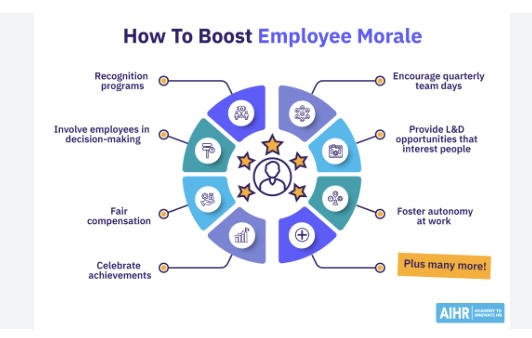
Advanced Loss Prevention Strategies: Addressing Staff Morale Issues
By Frank Costa, President, Nexgen Protection Services
Is your organization struggling with low staff morale? Here are a few telltale signs to watch for:
- Absenteeism and Presenteeism
Low morale often leads to employees either frequently missing work (absenteeism) or coming to work but not fully engaging (presenteeism). - Frequent Conflicts
While conflict is natural in any workplace, constant or unresolved disputes may signal deeper morale issues. - Disorganization
Employees who feel disengaged may lack the motivation to maintain a tidy and organized work environment. - Ongoing Complaints
Regular complaints, especially about minor issues, may indicate dissatisfaction with the overall work culture. - Customer or Client Complaints
Low employee morale often affects customer service, leading to more frequent complaints about work quality, employee attitudes, or service.
Managers play a crucial role in shaping employees’ attitudes toward their jobs. Management training programs that focus on effective communication, fostering psychological safety, and recognizing employee achievements can significantly improve job satisfaction, morale, and overall team loyalty.
Source:
Wolfe, C. (February 26, 2025). How to Maintain Employee Morale While Fulfilling Your Responsibilities. Loss Prevention Magazine.
Hashtags:
#ProtectionServices #SecurityStandards #PublicSafety #MobileSecurity #SecurityThreats