
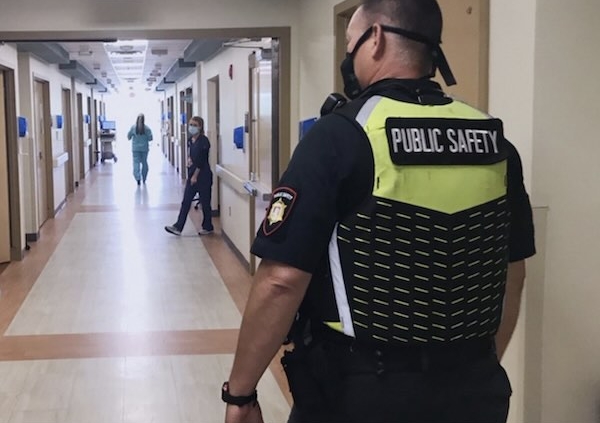
Deploying Security Entrances to Enhance Guard Services in Healthcare Facilities
By Frank Costa, President, Nexgen Protection Services
Maintaining secure and welcoming access points is a critical component of any healthcare facility’s safety strategy. Hospitals, clinics, and medical campuses are high-traffic environments that require constant vigilance—balancing open access for patients, staff, and visitors with the need to protect people, property, and sensitive information. To manage this balance, many healthcare organizations employ trained security officers to oversee entrances and exits, direct foot traffic, and serve as both protectors and ambassadors for the facility.
These officers play a vital dual role. On one hand, they provide a strong physical presence that deters unwanted behavior, theft, or potential violence. On the other, they offer peace of mind and a helpful presence to patients and visitors who may already be experiencing stress or anxiety. In emergency situations—whether medical, environmental, or security-related—security officers often act as the facility’s first responders, working in coordination with internal teams and public emergency services.
However, the dynamic and often unpredictable nature of healthcare settings means security personnel are frequently called upon to perform a wide range of duties simultaneously: assisting lost visitors, checking in vendors, monitoring patient access areas, and supporting clinical staff. These everyday interactions, while essential to providing a compassionate and efficient experience, can unintentionally distract officers from potential threats or emerging incidents.
To strengthen frontline defenses without compromising the welcoming nature of care environments, many healthcare institutions are deploying intelligent security entrance solutions. Tools such as optical turnstiles, secured vestibules, and badge-activated access lanes allow for automated identity verification and controlled entry. These systems reduce the manual burden on security staff and help ensure that only authorized individuals access restricted or sensitive areas—including emergency departments, pharmacies, and patient wards.
By integrating advanced security entrances with professional guard services, healthcare organizations can create a safer, more responsive environment for patients, staff, and visitors alike. The result is a comprehensive, layered security approach that supports both clinical care and operational resilience—without sacrificing accessibility or compassion.
Source:
Thomas, T. Can Deploying Security Entrances Enhance Guard Services? (April 10, 2018). Security Magazine.
#HealthcareSecurity #HospitalSafety #PhysicalSecurity #HealthcareFacilities #SecurityTechnology #AccessControl #SecurityEntrances #HospitalSecurity #HealthcareOperations #PatientSafety #GuardServices #VisitorManagement #EmergencyPreparedness #SecureHealthcare #HealthTech #FacilityManagement

Artificial Intelligence: A Game Changer in Reducing Shrink and Increasing ROI
By Frank Costa, President, Nexgen Protection Services
In an era where retail faces unprecedented challenges, Whole Foods has turned to artificial intelligence (AI) to combat inventory shrinkage and enhance return on investment (ROI). This innovative technology is set to revolutionize the loss prevention industry, providing new tools to tackle the issues of theft and loss more effectively.
Amid political upheaval and rising crime rates, Whole Foods has proactively partnered with local organizations and community members to mitigate these challenges, aiming to create a safer shopping environment while boosting profitability.
AI technology has the remarkable capability to forecast theft events by identifying potential hotspots and at-risk products, effectively connecting the dots within the vast data landscape. This powerful tool allows retailers to aggregate information and pinpoint the individuals responsible for significant losses.
However, as we embrace these technological advancements, it is crucial to establish robust privacy frameworks and laws governing the use of AI in loss prevention. The potential of this technology is immense, but it must be wielded responsibly to protect individual privacy rights.
Despite the advancements brought by AI, the importance of human involvement in the loss prevention process cannot be overstated. Employees play a vital role in executing strategies and maintaining a secure retail environment, ensuring that technology and human intuition work hand in hand for optimal results.
As we navigate this new frontier, the collaboration between AI and human efforts will be key to achieving sustainable growth and security in the retail landscape.
Source: Boykin, S. The AI Revolution: Taking Case Management to the Next Level (May 19, 2025). InsuranceNeighbor.com.
#AI #LossPrevention #ShrinkReduction #ROI #ArtificialIntelligence #RetailInnovation #PrivacyFrameworks #WholeFoods #CrimePrevention #DataAnalytics #HumanElement #NexgenProtectionServices #TechnologyInRetail #TheftPrevention
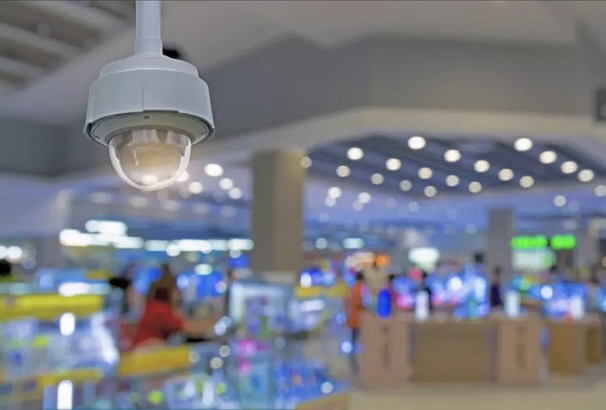
Enhancing Retail Security with a Holistic Loss Prevention Strategy
By Frank Costa, President, Nexgen Protection Services
In the competitive world of retail, the battle against inventory shrinkage is more critical than ever.
Every lost item not only impacts the bottom line but also threatens the very essence of trust between retailers and their customers. To reclaim these losses and fortify their profits, retailers must embrace a multifaceted loss prevention retail security that combines innovation, vigilance, and community engagement. Here’s how they can turn the tide:
Harness Cutting-Edge Technology: Imagine a world where inventory is tracked in real-time, where every item is accounted for through advanced RFID technology and barcode scanning systems. With the power of artificial intelligence and machine learning, retailers can not only monitor their stock but also predict theft patterns before they escalate. This proactive approach not only protects profits but also fosters a culture of accountability.
Invest in Employee Empowerment: Your employees are your first line of defense against shrinkage. By providing comprehensive training on loss prevention techniques, customer interaction, and recognizing suspicious behavior, retailers can transform staff into vigilant protectors of inventory. When employees feel empowered and knowledgeable, they become enthusiastic partners in safeguarding the store.
Commit to Regular Audits: Consistency is key. Frequent inventory audits and surprise spot checks uncover discrepancies early, allowing retailers to address issues before they spiral out of control. This commitment to diligence not only protects assets but also reinforces a culture of transparency and responsibility.
Reimagine Store Layouts: The design of a store can significantly influence loss prevention. By strategically organizing the store layout to minimize blind spots and placing high-value items in visible locations, retailers can deter theft while enhancing the shopping experience. A well-thought-out design makes it harder for potential thieves to act unnoticed.
Fortify Security Measures: The presence of surveillance cameras, security tags, and alarms sends a clear message: theft will not be tolerated. Regularly maintaining and updating these retail security systems is essential to staying one step ahead of potential thieves. The more fortified the store, the less appealing it becomes to would-be criminals.
Establish Transparent Policies: Clear communication is vital. By outlining transparent retail security loss prevention policies for both staff and customers, retailers create a mutual understanding of the importance of security. When everyone knows the rules and consequences of theft, it fosters a sense of community and shared responsibility.
Create an Engaging Environment: A positive shopping experience can deter theft. Engaged employees who interact with customers create an atmosphere that discourages would-be shoplifters. When customers feel welcomed and valued, they are less likely to engage in dishonest behavior.
Collaborate with Local Law Enforcement: Building strong relationships with local law enforcement not only enhances retail security measures but also cultivates community awareness around theft prevention. Regular communication with law enforcement can lead to timely responses to incidents, further safeguarding the retail environment.
Monitor Employee Behavior: While external theft is a concern, internal theft can be equally damaging. Implementing systems to monitor employee activities helps prevent internal losses, ensuring that trust and integrity remain at the forefront of the retail operation.
Encourage Open Reporting: Establishing a safe, anonymous channel for employees and customers to report suspicious activities is crucial. This transparency empowers individuals to speak up without fear of reprisal, creating a united front against theft.
By weaving together these retail security strategies, retailers can not only reduce inventory shrinkage but also cultivate an environment of trust and integrity. In doing so, they pave the way for enhanced profitability and a brighter future in the retail landscape. Every effort counts in this ongoing battle, and with the right approach, retailers can emerge victorious.
Source:
How to Reduce Retail Inventory Shrink. (2025, November 10). https://www.resolver.com.
Hashtags:
#InventoryShrink #RetailLossPrevention #ShrinkReduction #RetailSecurity #Profitability #InventoryManagement #TheftPrevention #EmployeeTraining #TechnologyInRetail #StoreDesign #CommunityEngagement #RetailStrategies