

Do You Need Armed Security Guards? Here’s What to Consider
By Frank Costa, President, Nexgen Protection Services
Choosing to hire armed security guards is never a decision made lightly—nor should it be. It’s a serious move that reflects a real need for heightened protection, whether due to the nature of your business, the environment you operate in, or the level of risk you’re managing.
If you’ve determined that your property, event, or organization requires the added assurance of professionally trained, armed personnel, you’re not alone. Many business owners and individuals turn to armed security for peace of mind and enhanced deterrence. But what makes this the right choice?
Let’s take a closer look at some of the key reasons why armed security might be the right move for you:
1. Armed Presence = Powerful Deterrence
The visible presence of a firearm sends a clear message: this is not a soft target. Armed guards significantly increase the psychological barrier for would-be criminals and bad actors.
2. Regional Realities: Some Places Require More Protection
In areas where firearm ownership is high—like Texas or other open-carry states—criminals are often better armed and more brazen. It’s essential that your security team can match that threat level if needed.
3. Industry-Specific Risks
Not all sectors face the same level of threat. Armed security is often a must for businesses operating in:
- High-crime urban areas
- Residential properties in volatile neighborhoods
- Nightlife venues with large crowds
- Events involving high-profile guests or VIPs
If your business fits into one of these categories, a more tactical, armed approach may be necessary.
4. Personal Safety and Peace of Mind
Sometimes, the decision is personal. If you or your clients feel more secure knowing armed professionals are on-site, that alone can justify the investment. There’s nothing wrong with wanting maximum protection when the stakes are high.
Hiring the Right Armed Security Team
Once you’ve made the decision, the next step is finding the right team. It’s not just about hiring someone with a firearm—it’s about hiring trained, licensed, and experienced professionals who understand the responsibility that comes with carrying a weapon.
At Nexgen Protection Services, we work with clients across industries to deliver smart, strategic, and fully compliant armed security solutions tailored to your specific needs.
Safety isn’t a luxury—it’s a necessity. If you’ve determined that armed security is the right step, make sure you’re choosing partners who bring professionalism, training, and accountability to every post.
#ArmedSecurity #SecuritySolutions #HighRiskSecurity #VIPProtection #CommercialSecurity #ExecutiveProtection #SecurityGuards #TexasSecurity #NightlifeSecurity #NexgenProtection
Source:
ARMED SECURITY GUARDS FAQS. rangerguard.net.

Securing Peace of Mind: Why Hiring a Professional Security Guard Is a Smart Investment
By Frank Costa, President, Nexgen Protection Services
In a world where unpredictability seems to be the norm, security is no longer a luxury—it’s a necessity. Whether you’re protecting a business, a property, or the people within it, the presence of a professional security guard can make all the difference. It’s not just about responding to threats—it’s about preventing them before they happen.
Let’s explore how the right security personnel can bring safety, confidence, and added value to your environment.
1. Crime Deterrence Starts with Presence
A uniformed security guard acts as a visible deterrent to theft, vandalism, and unwanted behavior. Criminals think twice when they know trained eyes are watching. Prevention is always better than reaction—and security guards are your first line of defense.
2. Rapid, On-the-Ground Response in Emergencies
Emergencies don’t wait for backup. Whether it’s a medical situation, a disturbance, or a security breach, trained guards can respond immediately—often before law enforcement or first responders arrive. That quick action can save lives, protect property, and contain situations before they escalate.
3. A Friendly Face with a Serious Purpose
Security guards aren’t just enforcers—they’re ambassadors for your brand or property. Whether they’re greeting visitors, guiding customers, or helping with directions, professional guards contribute to a welcoming and safe environment. They blend authority with approachability.
4. Peace of Mind You Can’t Put a Price On
Knowing that a trained, capable professional is on site helps employees, customers, and residents feel safe. And when people feel safe, they’re more relaxed, focused, and productive. Security isn’t just protection—it’s a confidence boost.
5. Professionalism, Licensing & Legal Compliance
Reputable security guards follow strict protocols, receive continuous training, and are well-versed in local laws. They’re not just standing around—they’re ensuring compliance, de-escalating conflicts, and keeping operations running smoothly and lawfully.
At Nexgen Protection Services, we specialize in providing reliable, highly trained security professionals who don’t just fill a post—they elevate your entire safety strategy. Whether for corporate offices, residential communities, or event venues, we help you secure peace of mind every step of the way.
#SecurityMatters #ProfessionalSecurity #PeaceOfMind #CrimePrevention #EmergencyResponse #CustomerExperience #TrainedSecurity #SecurityServices #NexgenProtection #SafetyFirst
Source:
Kozhar, G. (August 12, 2023). Securing Peace of Mind: The Essential Benefits of Hiring a Security Guard. nyguards.com.
Tech vs. Talent: Why the Best Security Still Needs a Human Touch
By Frank Costa, President, Nexgen Protection Services
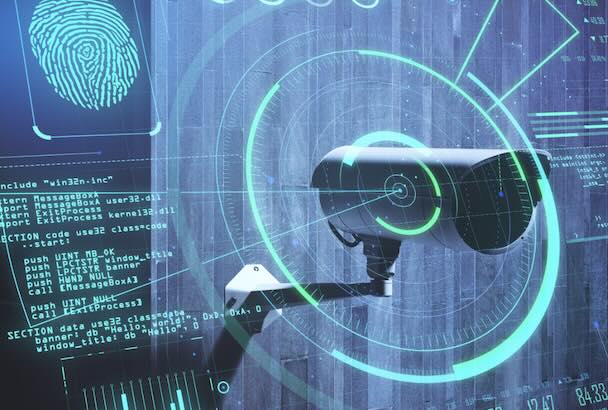
Security has always been about one thing: protecting people, property, and peace of mind. In cities like New York—where the pace is fast and the risks are real—security guards have long served as the frontline defense. But in recent years, the rise of smart surveillance, AI, and real-time monitoring tools has sparked a new debate: Can technology replace trained security personnel?
Spoiler alert: it can’t—and here’s why.
Tech Tools Are Powerful Allies
There’s no question that modern technology has elevated the security game. From facial recognition cameras and drone patrols to AI-powered analytics and remote monitoring systems, these tools offer unprecedented oversight and efficiency. They can track suspicious behavior, monitor large areas 24/7, and provide real-time alerts at a speed no human can match.
But here’s the key: technology is a tool, not a strategy. It’s most effective when paired with trained professionals who know how to interpret, act, and adapt in real-world scenarios.
Can Technology Provide Security on Its Own? Not Quite.
Technology doesn’t de-escalate a heated argument. It doesn’t comfort a frightened customer. It doesn’t chase down a fleeing intruder. And it certainly doesn’t make judgment calls in complex, unpredictable situations.
Even the most advanced systems need human oversight. A camera might spot a threat—but only a trained guard can assess intent, intervene calmly, and manage the outcome.
Why Trained Security Guards Still Lead the Way
Security guards bring something technology can’t replicate: intuition, presence, and real-time decision-making. They understand context, body language, and emotional cues—critical components of real-world security. Their presence alone acts as a deterrent, while their training enables them to respond quickly and appropriately when it matters most.
The Winning Formula: People + Technology
At Nexgen Protection Services, we believe the best approach isn’t choosing between guards and gadgets—it’s combining both. When you pair highly trained security personnel with cutting-edge tools, you get smarter, faster, and more effective protection.
Technology may evolve, but nothing replaces the value of human expertise. For true peace of mind, choose a team that brings the best of both worlds.
#SecurityTechnology #HumanTouch #SecurityGuards #SmartSecurity #IntegratedSecurity #NYCSecurity #SurveillanceTech #NexgenProtection #SecuritySolutions #PeaceOfMind
Source:
Kozhar, G. (January 30, 2020). Technology Solutions or Trained Security Guards in New York: Which Should You Choose? nyguards.com.