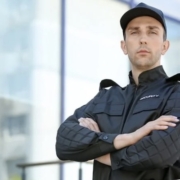
In the private security industry, leadership is not just about titles or seniority—it’s about accountability

Defining Leadership in Private Security: More Than a Rank, It’s a Responsibility

By Frank Costa, President, Nexgen Protection Services

In the private security industry, leadership is not just about titles or seniority—it’s about accountability, vision, and the ability to inspire trust in both teams and clients. Strong leaders in security understand that they are not only managing operations, but also shaping the culture of safety and professionalism within their organizations.

True leadership in private security means setting high standards—both in conduct and performance. It means leading by example, staying calm under pressure, and making decisions rooted in both strategy and ethics. Whether in corporate protection, event security, or critical infrastructure, the best leaders combine operational knowledge with emotional intelligence.

They train continuously, embrace new technologies, and adapt to emerging threats. They know how to empower frontline officers, build trust with clients, and foster a team environment that prioritizes accountability and growth. Most importantly, they recognize that effective security leadership is proactive, not reactive.

In an industry that often operates behind the scenes, leadership is the quiet force that drives reliability, professionalism, and long-term success.

Source: Security Responder Magazine

#PrivateSecurity #SecurityLeadership #SecurityManagement #SecurityProfessionals #LeadershipInSecurity #ProfessionalSecurity #SecurityOperations #RiskManagement #TeamLeadership #SecurityIndustry #SecurityCulture #SecurityTraining #SecurityResponderMagazine


Smart Security in Healthcare: Enhancing Guard Services with Technology

Smart Security in Healthcare: Enhancing Guard Services with Technology

By Frank Costa, President, Nexgen Protection Services


In healthcare, security isn’t just about protecting property—it’s about safeguarding patients, staff, and sensitive information. Technology is playing a growing role in elevating guard services across hospitals and medical facilities, offering smarter, faster, and more reliable protection.

Better Efficiency & Visibility

Tools like facial recognition, motion sensors, and AI-powered cameras help security guards monitor activity in real time—critical in high-traffic areas like ERs or visitor lobbies. These tools improve situational awareness and reduce manual tasks.

Improved Safety & Faster Response

Real-time alerts from surveillance and access control systems help security teams respond immediately to unauthorized access or suspicious behavior—essential in environments where seconds matter.

Secure Data & Compliance

Cloud-based storage ensures all security footage and access logs are safely stored, audit-ready, and protected against tampering—supporting HIPAA compliance and internal investigations.

Cost Savings & Focused Staffing

By automating routine tasks like badge checks or door monitoring, guard services  can focus on higher-level responsibilities such as patient safety and emergency response, improving overall efficiency without increasing headcount.


Stronger Communication

Instant communication tools keep teams connected, ensuring coordinated responses during incidents or lockdowns—critical in healthcare settings with complex operations.


Conclusion:
Technology is not replacing healthcare security guard services teams—it’s making them more effective, responsive, and patient-focused. Smarter tools mean safer hospitals.


#HealthcareSecurity #HospitalSafety #SecurityTechnology #SmartHospitals #AccessControl #HIPAACompliance #HealthcareFacilities #SecurityInHealthcare #PatientSafety #EmergencyPreparedness #GuardServices #PhysicalSecurity


Source:

Smith,A. Integrate technology with security guard services for local businesses. (February 24, 2023) Security Magazine.


The Qualities That Define a Top-Tier Security Guard Professional

The Qualities That Define a Top-Tier Security Guard Professional

By Frank Costa, President, Nexgen Protection Services


What traits define a truly exceptional security guard—someone you’d trust with your safety or that of your loved ones? Far too often, the role is reduced to surface-level perceptions: a uniform, an authoritative presence, and perhaps a firearm. But real professional protection goes far beyond appearances and well beyond the minimum requirements for licensure.

Today’s security professionals must be equipped with a wide range of skills that blend emotional intelligence with physical readiness. Here are the core qualities that define a high-caliber security officer:


1. People Skills & Professionalism

At its heart, the job of a security officer—especially in protection and executive security—is often more like that of a concierge than a combatant. An effective officer must know how to communicate respectfully and clearly with people from all walks of life. They should integrate seamlessly with a client’s staff, liaise with law enforcement or other security personnel, and above all, build trust-based relationships that empower them to navigate logistical challenges smoothly. Whether it’s securing a table at a fully booked restaurant, gaining access to a private tarmac, or getting VIP parking in a secure location—relationships matter.

2. Critical Thinking & Decision-Making

Security is about anticipation and action. A seasoned professional plans for every potential scenario—and when things go sideways (as they often do), they adapt quickly. Split-second decisions under pressure can mean the difference between a controlled outcome and chaos. That kind of judgment only comes from training and experience, not instinct alone.

3. Observation Skills & Situational Awareness

A quality guard must constantly scan and interpret their environment—reading body language, spotting behavioral cues, and noticing irregularities before they escalate. Situational awareness isn’t just a tactical advantage; it’s a foundational skill that can prevent incidents before they start. This ability is sharpened over time but should begin with structured training, including case studies, scenario-based exercises, and video analysis of real-world incidents.

4. Knowledge of the Law

Understanding the law—especially in relation to use of force, citizen’s arrest, firearms, and search protocols—is non-negotiable. A professional security officer must operate within legal limits, not just to protect the client, but to protect themselves and their organization from liability.

5. Self-Defense Training

Ongoing self-defense training is essential. It’s not enough to be shown techniques once; they must be drilled, tested, and refined regularly. Physical skills fade without repetition, and in a high-risk encounter, the body only recalls what it’s been trained to do under pressure.

6. Firearms Proficiency

State-mandated firearms training for security officers often mirrors basic civilian carry courses—which are insufficient for professional-level readiness. True firearms competence requires advanced training, stress exposure, and scenario-based drills that simulate the realities of a live threat. Passing a paper target test isn’t enough.

7. Real-World Stress Experience

The first time a guard experiences an adrenaline spike shouldn’t be during an actual emergency. Effective training must include realistic, stress-inducing simulations to condition the body and mind to stay focused, make decisions, and take action under pressure. Without this, even the best classroom training risks falling apart in real life.


The Bottom Line:
A quality security guard isn’t just a visual deterrent—they’re a highly trained, emotionally intelligent, and physically prepared professional who can de-escalate conflict, protect people, and respond decisively in a crisis. The best officers aren’t just guarding—they’re thinking, adapting, and leading.

#SecurityProfessionals #ExecutiveProtection #SecurityTraining #MannedGuarding #SituationalAwareness #SecuritySkills #SecurityLeadership #ProtectionOfficer #PrivateSecurity #SecurityReadiness #UseOfForce #SecurityAwareness #CloseProtection #SecurityIndustry #SecurityStandards #ModernSecurity


Source:
By Jonathan McKee.Is Your Security Guard Good Enough? Why Many Protection Agents Need More Training. (May 26, 2020) Security Magazine. 

 

Deploying Security Entrances to Enhance Guard Services in Healthcare Facilities

Deploying Security Entrances to Enhance Guard Services in Healthcare Facilities

By Frank Costa, President, Nexgen Protection Services

Maintaining secure and welcoming access points is a critical component of any healthcare facility’s safety strategy. Hospitals, clinics, and medical campuses are high-traffic environments that require constant vigilance—balancing open access for patients, staff, and visitors with the need to protect people, property, and sensitive information. To manage this balance, many healthcare organizations employ trained security officers to oversee entrances and exits, direct foot traffic, and serve as both protectors and ambassadors for the facility.

These officers play a vital dual role. On one hand, they provide a strong physical presence that deters unwanted behavior, theft, or potential violence. On the other, they offer peace of mind and a helpful presence to patients and visitors who may already be experiencing stress or anxiety. In emergency situations—whether medical, environmental, or security-related—security officers often act as the facility’s first responders, working in coordination with internal teams and public emergency services.

However, the dynamic and often unpredictable nature of healthcare settings means security personnel are frequently called upon to perform a wide range of duties simultaneously: assisting lost visitors, checking in vendors, monitoring patient access areas, and supporting clinical staff. These everyday interactions, while essential to providing a compassionate and efficient experience, can unintentionally distract officers from potential threats or emerging incidents.

To strengthen frontline defenses without compromising the welcoming nature of care environments, many healthcare institutions are deploying intelligent security entrance solutions. Tools such as optical turnstiles, secured vestibules, and badge-activated access lanes allow for automated identity verification and controlled entry. These systems reduce the manual burden on security staff and help ensure that only authorized individuals access restricted or sensitive areas—including emergency departments, pharmacies, and patient wards.

By integrating advanced security entrances with professional guard services, healthcare organizations can create a safer, more responsive environment for patients, staff, and visitors alike. The result is a comprehensive, layered security approach that supports both clinical care and operational resilience—without sacrificing accessibility or compassion.


Source: 

Thomas, T. Can Deploying Security Entrances Enhance Guard Services? (April 10, 2018). Security Magazine. 


#HealthcareSecurity #HospitalSafety #PhysicalSecurity #HealthcareFacilities #SecurityTechnology #AccessControl #SecurityEntrances #HospitalSecurity #HealthcareOperations #PatientSafety #GuardServices #VisitorManagement #EmergencyPreparedness #SecureHealthcare #HealthTech #FacilityManagement


Tech-Driven-Solutions-Are-Transforming-Retail-Loss-Preventio

Tech-Driven Solutions Are Transforming Retail Loss Prevention

By Frank Costa, President, Nexgen Protection Services

Shrinkage isn’t just a back-office problem—it’s a bottom-line killer. Whether you’re running a nationwide retail chain or a single storefront, inventory loss is eating away at profits and productivity. And in today’s fast-paced, tech-savvy world, it’s time for loss prevention strategies to evolve.

Retail Shrink: A Hidden Threat with Visible Impact
Retail shrink—when your inventory records don’t match what’s actually on the shelves—is a problem that costs retailers billions each year. While theft, both external (shoplifting) and internal (employee theft), accounts for a staggering 65–70% of that loss in some sectors, it’s not the whole story. Clerical errors, vendor fraud, and process gaps can all silently chip away at margins.

The key to stopping shrink isn’t just identifying where it’s happening—it’s about proactively building smarter systems and embracing change across your entire organization.

Top Drivers of Shrinkage
Here’s where most of the losses occur:

  • Shoplifting: Still the most common form of loss, increasingly bold and organized.
  • Clerical Errors: Simple mistakes in tracking, receiving, or recording inventory.
  • Fraud: Includes return fraud, vendor scams, and even digital fraud via online platforms.

How to Make Change Management Work in Loss Prevention

Technology alone won’t fix shrinkage. Success lies at the intersection of smart tools and strong change management. Here’s how to bring your entire team on board and make it stick:

  1. Educate the Entire Organization—Early and Often
    Everyone plays a role in loss prevention. From cashiers to warehouse staff, consistent and ongoing training creates a culture of awareness and accountability.
  2. Define Key Stakeholders
    Clearly identify who’s responsible for what. When leaders in operations, IT, and asset protection collaborate, loss prevention becomes a shared mission—not a siloed one.
  3. Plan to Integrate Solutions
    Don’t let technology become a tangled mess. Plan for how your various tools—like surveillance, RFID, POS analytics—will work together to give you a full picture.
  4. Measure Success and Celebrate It
    Track improvements, share results, and recognize wins. When teams see their efforts making an impact, it fuels motivation and deeper engagement.

Final Thought
Retail shrink isn’t inevitable. With the right combination of innovative tech and effective organizational change, loss prevention can shift from reactive damage control to proactive protection.

#RetailSecurity #LossPrevention #ShrinkageSolutions #ChangeManagement #RetailTech #AssetProtection

Source:
Simplifying transformation in retail safety and security. (2024, November 4) https://www.auror.co.


Do You Need Armed Security Guards? Here’s What to Consider

Do You Need Armed Security Guards? Here’s What to Consider

By Frank Costa, President, Nexgen Protection Services

Choosing to hire armed security guards is never a decision made lightly—nor should it be. It’s a serious move that reflects a real need for heightened protection, whether due to the nature of your business, the environment you operate in, or the level of risk you’re managing.

If you’ve determined that your property, event, or organization requires the added assurance of professionally trained, armed personnel, you’re not alone. Many business owners and individuals turn to armed security for peace of mind and enhanced deterrence. But what makes this the right choice?

Let’s take a closer look at some of the key reasons why armed security might be the right move for you:

1. Armed Presence = Powerful Deterrence

The visible presence of a firearm sends a clear message: this is not a soft target. Armed guards significantly increase the psychological barrier for would-be criminals and bad actors.

2. Regional Realities: Some Places Require More Protection

In areas where firearm ownership is high—like Texas or other open-carry states—criminals are often better armed and more brazen. It’s essential that your security team can match that threat level if needed.

3. Industry-Specific Risks

Not all sectors face the same level of threat. Armed security is often a must for businesses operating in:

  • High-crime urban areas
  • Residential properties in volatile neighborhoods
  • Nightlife venues with large crowds
  • Events involving high-profile guests or VIPs

If your business fits into one of these categories, a more tactical, armed approach may be necessary.

4. Personal Safety and Peace of Mind

Sometimes, the decision is personal. If you or your clients feel more secure knowing armed professionals are on-site, that alone can justify the investment. There’s nothing wrong with wanting maximum protection when the stakes are high.

Hiring the Right Armed Security Team

Once you’ve made the decision, the next step is finding the right team. It’s not just about hiring someone with a firearm—it’s about hiring trained, licensed, and experienced professionals who understand the responsibility that comes with carrying a weapon.

At Nexgen Protection Services, we work with clients across industries to deliver smart, strategic, and fully compliant armed security solutions tailored to your specific needs.

Safety isn’t a luxury—it’s a necessity. If you’ve determined that armed security is the right step, make sure you’re choosing partners who bring professionalism, training, and accountability to every post.

#ArmedSecurity #SecuritySolutions #HighRiskSecurity #VIPProtection #CommercialSecurity #ExecutiveProtection #SecurityGuards #TexasSecurity #NightlifeSecurity #NexgenProtection


Source:
ARMED SECURITY GUARDS FAQS. rangerguard.net.


Concealed Carry in a Car: Is a Gun in the Glove Box a Smart Choice?

Concealed Carry in a Car: Is a Gun in the Glove Box a Smart Choice?

By Frank Costa, President, Nexgen Protection Services

As a responsible gun owner, you already understand that safety and preparedness go hand-in-hand. But when it comes to concealed carry inside a vehicle, things can get complicated fast. Whether you’re commuting daily or taking a road trip, knowing how—and where—to store your firearm legally and safely is critical.

Let’s break down the best practices for storing a concealed firearm in your vehicle, the common pitfalls to avoid, and why the glove box might not be your best option.

The Reality: Guns Are Stolen from Cars Every Day

Here’s a sobering truth: many firearms that end up on the black market were stolen from vehicles—including law enforcement vehicles. And in many of those cases, the theft could have been prevented with simple precautions.

Before anything else, lock your doors. Always. Whether you’re running into a store or parking overnight, leaving your car unlocked—especially with a firearm inside—is inviting disaster.

Where to Store Your Firearm in the Car: Pros & Cons

Glove Box

The glove compartment is a common choice, but it’s also one of the least secure. It may not accommodate larger firearms and can be difficult to access quickly in a high-stress situation. It’s also the first place thieves look.

Tip: Only use the glove box if it can be locked securely and your firearm fits snugly without obstruction.

Center Console

A popular option, the console provides quick access for the driver and more space than the glove box. If your console has a lockable compartment, this becomes a better—and more secure—choice.

Best for: Medium-sized handguns and vehicles with lockable storage.

Under the Seat (Locked)

For larger firearms or more discreet storage, under-seat lockboxes can work well. This location is less visible to potential thieves and allows for secure, hidden storage.

Important: Use a locking mechanism or portable safe designed specifically for under-seat use.

Portable Gun Safe

This is the safest option, especially if your state has laws about separating firearms and ammunition. Portable safes often come with steel cables to anchor them to your car’s frame, providing theft resistance even if the car is broken into.

Recommended for: Long-term storage, strict legal environments, or high-theft areas.

Know the Law—Or Risk Losing More Than Your Firearm

Gun laws vary widely by state—and sometimes even by city. Some jurisdictions require firearms to be locked in a case, unloaded, and stored separately from ammunition. Others allow loaded carry but restrict where you can store it.

Before you carry in your car:
✔️ Check your state’s firearm transport laws
✔️ Understand reciprocity agreements if crossing state lines
✔️ Know whether you’re in a “must inform” state if pulled over

Smarter Than the Glove Box: Consider a Holster Mount

If your state allows open or concealed carry of a loaded firearm in a vehicle, consider investing in a vehicle-mounted holster. These secure holsters can be mounted near the driver’s seat, allowing fast access while keeping your firearm stable and discreet.

It’s faster than digging through a glove box, safer than loose storage, and gives you control without sacrificing safety.

Bottom Line: Security Is About Smart Choices

Concealed carry in a car demands more than just a place to stash your gun. It requires strategic thinking, legal awareness, and responsible planning. The glove box may be legal—but that doesn’t mean it’s the smartest or safest option.

At Nexgen Protection Services, we believe in promoting safe, legal, and effective firearms practices. Your protection starts with how you carry—and that includes what happens inside your vehicle.

#ConcealedCarry #VehicleCarry #GunSafety #SecureStorage #GunLaws #SelfDefense #LegalGunOwner #NexgenProtection #CarGunSafety #ResponsibleCarry


Source:
Concealed Carry in a Car: Gun in a Glove Box? (12/20/2024). usconcealedcarry.com.


Recognizing Cybersecurity as a Revenue Growth Strategy

Recognizing Cybersecurity as a Revenue Growth Strategy

By Frank Costa, President, Nexgen Protection Services

Revenue Growth

Walk into any department today—from procurement to production—and you’ll hear the same concerns: rising cyber risks, the need to protect proprietary information, and questions about system vulnerabilities. Sound familiar?

Despite cybersecurity’s growing relevance across the business, it too often remains siloed within IT, viewed as a purely technical function focused on firewalls, ransomware defense, or patching systems. What’s missing? A strategic mindset. One that sees cybersecurity not as a cost center, but as a critical driver of business continuity, trust, and revenue growth.

Breaking Out of the IT Silo

In many organizations, cybersecurity still lacks a clear, centralized home—let alone a champion to push for enterprise-wide integration. This outdated structure leads to a reactive posture:

  • “Are we safe from ransomware?”
  • “How fast can we fix vulnerabilities?”

These are valid concerns, but they’re inherently tactical. They address symptoms, not the strategic opportunity cybersecurity represents in today’s risk landscape.

Shift to Resiliency Thinking

To unlock cybersecurity’s full potential, businesses must shift from a remediation mindset to a resiliency perspective. This change must start at the top—with the CISO acting as a business leader, not just a tech steward, and with boards embracing cybersecurity as a strategic enterprise function.

This perspective shift means:

  • Viewing cybersecurity as essential to safeguarding not just data, but brand reputation and revenue streams
  • Allocating cybersecurity funding based on enterprise risk exposure, not just as a subset of the IT budget
  • Empowering cybersecurity teams to collaborate across business units, influencing product development, vendor selection, compliance, and even customer trust initiatives

Cybersecurity Is Revenue Protection

In the digital economy, trust is currency. Customers, partners, and investors expect companies to demonstrate resilience against cyber threats. A breach doesn’t just threaten data—it threatens customer loyalty, stock value, and long-term revenue. Conversely, strong cybersecurity can be a differentiator in highly competitive markets.

Positioning cybersecurity as a growth enabler rather than a back-office cost unlocks new possibilities for competitive advantage.

Final Thoughts

It’s time to reframe cybersecurity as foundational to the business, not just its infrastructure. The organizations that thrive in the face of escalating cyber threats will be those that elevate cybersecurity to a core pillar of their strategy—resourced appropriately, integrated deeply, and led with intention.

Cybersecurity isn’t just protecting your operations. It’s protecting your future.


Source:
Hochrieser, R. (April 16, 2025). Recognizing cybersecurity as a revenue growth strategy. Security Magazine.

Hashtags:
#ProtectionServices #SecurityStandards #PublicSafety #MobileSecurity #SecurityThreats


As Retail Theft Surges, Loss Prevention Becomes a Cornerstone of Store

As Retail Theft Surges, Loss Prevention Becomes a Cornerstone of Store Operations

By Frank Costa, President, Nexgen Protection Services

Retail theft is surging across the United States, forcing companies to reevaluate how they protect their assets, employees, and operations. As the scale and sophistication of retail crime grow, loss prevention has evolved from a behind-the-scenes function into a central pillar of store strategy.

Loss Prevention Moves to the Forefront

Loss prevention is no longer confined to surveillance cameras and backroom investigations—it has become a core part of strategic planning. Retailers are partnering with law enforcement, technology providers, and frontline staff to proactively address emerging threats. The goal is clear: stay ahead of crime before it disrupts the business.

Safety: The New Priority

It’s not just merchandise that’s at risk—employee safety is becoming a major concern. Sales associates and managers are increasingly exposed to potentially dangerous confrontations, especially when dealing with repeat offenders or organized retail crime groups.

To reduce risk, many retailers are training staff in de-escalation techniques and establishing clear protocols that discourage direct intervention. Employees are instructed to prioritize safety over apprehension and to alert management or law enforcement instead of attempting to stop theft themselves.

Advocacy and Legal Support

Beyond internal policy changes, some retailers are advocating for tougher legal penalties for retail theft and calling for improved cooperation with law enforcement. Organized retail crime rings often cross state lines and require more robust, coordinated responses from the justice system.

A Proactive Approach Yields Results

Despite the mounting challenges, industry experts agree: a proactive, well-resourced loss prevention strategy can make a measurable difference. From advanced surveillance technology to community partnerships and employee education, the most effective retailers are those that treat loss prevention as an investment—not just a cost center.

Final Thoughts

Retailers who prioritize loss prevention as a strategic function—not just a reactionary measure—are better equipped to navigate the evolving threat landscape. By investing in people, technology, and collaboration, they not only reduce shrinkage but also create a safer, more resilient environment for employees and customers alike.

Source:
As Retail Theft Surges, Loss Prevention Becomes a Cornerstone of Store Operations. (April 07, 2025). The D&D Daily.

Hashtags:
#ProtectionServices #SecurityStandards #PublicSafety #MobileSecurity #SecurityThreats


Employees who attempt to stop or detain suspected shoplifters without proper training expose themselves and the business to significant risks

The Cost of Untrained Store Employees Stopping Shoplifters

By Frank Costa, President, Nexgen Protection Services

In many states—including New Jersey—retailers are legally permitted to detain suspected shoplifters. However, this authority comes with serious responsibility. If you’re a store owner, manager, or loss prevention officer, and your store has a policy allowing detention of shoplifters, it is critical to establish clear guidelines and provide proper training for all involved staff.

Why Training Matters

Employees who attempt to stop or detain suspected shoplifters without proper training expose themselves and the business to significant risks—including injury, legal liability, and reputational damage. To minimize these risks, staff must be trained on the following:

  • Establishing Probable Cause: Employees must understand what qualifies as probable cause or reasonable suspicion. Detaining someone without it can lead to legal claims against the business.
  • Non-Confrontational Approach: Any interaction with a suspected shoplifter must be calm, non-accusatory, and non-threatening. Staff should maintain a safe distance—at least six feet—to avoid physical altercations, especially if the suspect becomes violent.
  • No Chases: If a suspected shoplifter attempts to flee, employees should never pursue them. Chases can lead to serious injury or legal liability for both the employee and the business.
  • Handling Non-Compliance: If a suspect refuses to comply, employees should disengage immediately, allow the individual to leave, and notify law enforcement.

The Safer, Smarter Approach

If your company maintains a zero-tolerance policy on shoplifting, the safest and most effective solution is to hire off-duty police officers or licensed professional security personnel. These individuals are trained to handle confrontations and detentions lawfully and safely.

Allowing untrained store employees—or even loss prevention officers—to act as security personnel and use force is both reckless and irresponsible. No employee should ever be placed in a situation where they’re expected to physically confront a shoplifter.

Conclusion

The cost of having untrained staff engage with shoplifters can far outweigh the loss from stolen merchandise. Protect your team, your customers, and your business by implementing clear policies, prioritizing safety, and leaving physical enforcement to professionals.

Source:
Blaettler, J. (2025, January 27). The Cost of Untrained Store Employees Stopping Shoplifters. Loss Prevention Magazine.

Hashtags:
#ProtectionServices #SecurityStandards #PublicSafety #MobileSecurity #SecurityThreats