
Posts

To-Increase-Security-Invest-in-Inclusion

To Increase Security, Invest in Inclusion

Frank Costa, President NEXGEN Protection Services —

A core principle of buy-in strategies is simple: when people feel personally invested in an activity, they are more likely to want to see it succeed. However, many organizations fail to make frontline employees feel that their involvement is vital to the success or failure of the company. One effective way to foster this sense of ownership is by creating an inclusive workplace.

“When people feel cared for in the workplace, that sense of care often extends to their attitudes toward coworkers, customers, and leadership.”

From a security standpoint, this means involving employees in shaping security policies, procedures, and changes. It’s essential to gather input directly from those on the frontlines to ensure that security measures align with the needs of both employees and customers. Addressing their concerns and questions helps strengthen overall security efforts.

Building connections, trust, and inclusivity can yield substantial benefits for security. “It doesn’t take much to lose trust, but if leaders can foster it and create an environment of psychological safety, that trust can spread throughout the organization.”

Source:
Meyer, C. (July 3, 2025). To Increase Security, Invest in Inclusion. Security Management Magazine.



Artificial Intelligence: Challenges and Strengths Come Down to Human Error

Artificial Intelligence: Challenges and Strengths Come Down to Human Error

Frank Costa, President, Nexgen Protection Services

Automated threat detection and prevention, advanced intelligence, and AI-driven supply chain attacks—AI today has evolved significantly beyond the days of basic pattern matching.

While human error and uncertainty may initially amplify AI risks, it is ultimately the oversight of AI—the collaboration between humans and algorithms—that will enable us to safely innovate and explore this technology. AI itself is designed to be a positive force, unlocking value and improving efficiency.

However, AI cannot be left unchecked. The best way for organizations to mitigate AI risks is through increased education and employee training. People must know what to look for, and more broadly, you can never overemphasize the importance of cyber awareness training. Even beyond AI, there are countless ways to compromise an individual system or its information, and the digital landscape is constantly evolving.

The more we can educate employees and strengthen security measures across the board, the better prepared organizations will be to remain compliant, resilient, and scalable in this new era.

Source:
(2025, Jan 17). 3 Ways AI Will Transform Security in 2025. Security Education & Training.

Hashtags: #protectionservices #securitystandards #publicsafety #mobilesecurity #securitythreats


Organized Retail Crime: Strategies for Mitigating Loss

Organized Retail Crime: Strategies for Mitigating Loss

Frank Costa, President, Nexgen Protection Services

To effectively combat organized retail crime, retailers must establish strong partnerships with industry associations, law enforcement agencies, and other relevant stakeholders. Such collaboration enables the exchange of intelligence, best practices, and emerging trends, allowing for a proactive response to the evolving nature of organized crime.

Partnership with Law Enforcement:
Close collaboration with law enforcement is critical. Retailers should establish direct communication channels with local police departments and develop protocols for promptly reporting organized crime incidents.

Training Store Associates:
Education and awareness are key to preventing organized crime. Retail employees must receive comprehensive training on identifying organized crime indicators, understanding theft patterns, and implementing effective prevention techniques.

Source:
Brittain, J. (2025, January 14). Retail’s Dangerous Triangle: Trafficking, Trucking, & Organized Theft. Loss Prevention Magazine.

#protectionservices #securitystandards #publicsafety #mobilesecurity #securitythreats


How Security Is Shaping the Cannabis Industry

How Security Is Shaping the Cannabis Industry

Frank Costa, President, Nexgen Protection Services

A surveillance system can help protect your business from theft, particularly employee theft, which is a widespread issue in the cannabis industry. For large outdoor growing operations, having a monitoring system in place provides peace of mind by securing your property from all angles at all times.

Source:
Baxter, K. (2025, January 13). How security is shaping the cannabis industry. Security InfoWatch.

#protectionservices #securitystandards #publicsafety #mobilesecurity #securitythreats


Mitigate Losses to the Supply Chain with Robust Security Protection

Mitigate Losses to the Supply Chain with Robust Security Protection

Frank Costa, President, Nexgen Protection Services

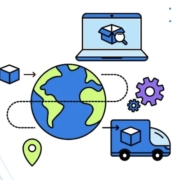
Companies lose billions of dollars annually due to cargo theft. Many manufacturers don’t realize their shipments have been stolen until it’s too late, often discovering the issue only when the shipment fails to arrive on the expected date.

To mitigate losses in the supply chain caused by security threats, key protection measures include:

  • Thorough vendor vetting
  • Robust access controls
  • Data encryption
  • Continuous monitoring
  • Incident response planning
  • Supply chain visibility through technology
  • Diversifying suppliers
  • Implementing strong cybersecurity practices across all tiers of the supply chain, ensuring all partners adhere to the same security standards.

Source:
Fryer, N. (2025, January 18). How transportation management systems mitigate supply chain risks for manufacturers. Security InfoWatch.

#protectionservices #securitystandards #publicsafety #mobilesecurity #securitythreats


Supply Chain Attacks: Exploiting Third-Party Vulnerabilities

Supply Chain Attacks: Exploiting Third-Party Vulnerabilities

Frank Costa, President, Nexgen Protection Services

The cybersecurity landscape continues to evolve at an unprecedented pace. With the rise of sophisticated attack methods, the integration of new technologies, and increasing connectivity across sectors, businesses are facing more complex cybersecurity threats than ever before. Staying informed and prepared is critical to protecting data, maintaining trust, and ensuring business continuity.

Supply Chain Attacks

As businesses increasingly rely on external vendors and partners, supply chain attacks have become a significant cybersecurity concern. In these attacks, threat actors infiltrate a company’s system by compromising a third-party provider, gaining access to multiple organizations through a single vulnerability.

How to Prepare:

  • Vendor Risk Assessments: Conduct thorough security assessments for all vendors and partners to identify potential vulnerabilities.
  • Contractual Security Requirements: Include cybersecurity clauses in vendor contracts to ensure security standards are upheld.
  • Network Segmentation: Isolate critical systems from external partners to prevent attackers from moving freely within your network.
  • Continuous Monitoring: Use real-time monitoring to track vendor activity and detect any unusual behavior early.


SOURCE: 

Top Cybersecurity Threats to Watch in 2025: How Businesses Can Prepare, Boston Institute of Analytics, 11/14/2024.
#protectionservices #securitystandards #publicsaftey  #mobilesecurity #securitythreats


Retailers Must Leverage Technology That Goes Beyond Thwarting Theft to Predicting It

Retailers Must Leverage Technology That Goes Beyond Thwarting Theft to Predicting It

Frank Costa, President, Nexgen Protection Services

Violence remains a major concern for the retail industry. Retailers and solution providers must collaborate to develop and implement technology that goes beyond simply thwarting theft. Efforts must focus on predicting and preventing theft. By doing so will proactively reduce the risk of violence and mitigate crime.

Retailers have reported an increase in both the average number of shoplifting incidents and the amount of dollars lost due to shoplifting over the past year (National Retail Federation, The Impact of Retail Theft & Violence 2024).

Protecting store associates and customers, while reducing today’s levels of violence and retail crime, requires a whole-community approach and collaboration across all stakeholders.

SOURCE: 

Wolfe, C. New Study Shows Shoplifting Is Up 93% Since Before the COVID-19 Pandemic, Loss Prevention Magazine, 12/19/2024.
#protectionservices #securitystandards #publicsaftey  #mobilesecurity #securitythreats


Creating a Loss Prevention Culture: A Thoughtful, Strategic Approach

Creating a Loss Prevention Culture: A Thoughtful, Strategic Approach

Frank Costa, President, Nexgen Protection Services

Set Up a Loss Prevention/Asset Protection Team

Creating a loss prevention culture requires a thoughtful, strategic approach. Here are four key steps to establish a cohesive and proactive loss prevention framework:

1. Define Your Mission and Scope

The first step in fostering an effective loss prevention culture is to clarify its focus, goals, and priorities. This involves defining the specific areas your company’s loss prevention efforts will address, such as waste management, operational inefficiencies, and workplace safety.

Equally important is determining how the success of your loss prevention culture will be measured. Beyond traditional metrics like shrink reduction, consider tracking waste, gross margin, accident frequency rate (AFR), safety compliance, and other indicators that align with your business objectives.

Establishing these foundational elements helps shape the structure of your loss prevention efforts, guiding leadership, field management, and store-level teams.

2. Assemble a Dynamic Team

A successful loss prevention culture thrives on a team with diverse skill sets. You need a mix of traditional loss prevention expertise and operational knowledge to effectively combat evolving tactics in organized retail crime and other complex loss events. This means having team members skilled in investigations as well as those with deep knowledge of business operations.

Building a robust loss prevention culture is about more than preventing theft; it’s about understanding how every facet of your business contributes to loss. A diverse team ensures you’re prepared to tackle challenges from multiple angles.

3. Foster a Unified Loss Prevention Environment

Building a true loss prevention culture requires teamwork and collaboration. Strong interdepartmental relationships and clear policies are essential for effective decision-making and risk mitigation. These policies provide employees with a framework to minimize errors, ensure proper data handling, and enforce compliance.

By collaborating with sales, operations, and other departments, loss prevention becomes seamlessly integrated into the business culture.

4. Leverage Technology for Scalable Growth

Investing in technology can significantly strengthen your loss prevention culture. While the initial costs may seem high, tools like incident management software and audit platforms with workflow automation can handle increased workloads without proportional increases in costs, making them ideal for scalable growth.

SOURCE: 

Wolfe, C. Why Human Resources and Loss Prevention Should Train Together, Loss Prevention Magazine, 12/20/2024.
#protectionservices #securitystandards #publicsaftey  #mobilesecurity #securitythreats


Building Agile Security Strategies Adaptable to the Rapidly Changing Landscape

Building Agile Security Strategies Adaptable to the Rapidly Changing Landscape

Frank Costa, President, Nexgen Protection Services

The future of network security is both exciting and challenging. Organizations must stay ahead of emerging trends by building agile security strategies that are adaptable to the rapidly evolving threat landscape.

Retailers, in particular, must demonstrate daily flexibility to protect their workers, meet sales goals, and attract customers—all while maintaining safe and efficient operations. Retail is a complex web of interconnected elements.

To stay competitive, organizations need technology that is “future-proof”—capable of meeting shifting consumer demands, ensuring operational efficiency, and safeguarding against potential security threats, both internally and externally.

Cybercriminals are increasingly leveraging a combination of tactics, techniques, and procedures (TTPs), targeting multiple areas at once to breach defenses. We can expect an increase in the sophistication and evasion tactics of web-based attacks, file-based attacks, DNS-based attacks, and ransomware, making it more difficult for traditional, siloed security tools to effectively defend against modern threats.

Preventing these attacks will require multiple security services working together as part of an integrated platform to stop every attack along the cyber kill chain.


SOURCE: 

Davidson, B. Cutting Retail Losses, Security Today, 11/13/2024.
#protectionservices #securitystandards #publicsaftey  #mobilesecurity #securitythreats


Do’s and Don’ts of GenAI for Security Metrics

Do’s and Don’ts of GenAI for Security Metrics

Frank Costa, President, Nexgen Protection Services


Security teams must get it right—there’s no room for error.

Do you use ChatGPT or other AI generators for your business security? Regardless of how you implement GenAI, what truly matters is what you do—and don’t do.

There’s no doubt that GenAI models are powerful tools. When adopted responsibly, they can help streamline security protocols, optimize time, and more. However, it’s crucial to remain fully aware of the limitations of GenAI models.

For starters, never underestimate the importance of keeping the human touch in your work. As smart as AI might seem, it cannot capture the intangibles that come from human intuition.

AI lacks a sense of bias and is unaware of what constitutes correct or incorrect facts. Therefore, it is vital to proofread any AI-generated content and verify all facts before acting on the data.

GenAI models are trained on vast amounts of data from multiple sources, meaning there is always a risk that AI-generated content could contain plagiarized text.


SOURCE: 

Shelmire, A. Liars in the wires: Getting the most from GenAI without getting duped, Security Magazine, 09/19/2024.
#protectionservices #securitystandards #publicsaftey  #mobilesecurity #securitythreats