

Posts

Advanced Loss Prevention Strategies: Addressing Staff Morale Issues

Advanced Loss Prevention Strategies: Addressing Staff Morale Issues

By Frank Costa, President, Nexgen Protection Services

Is your organization struggling with low staff morale? Here are a few telltale signs to watch for:

  1. Absenteeism and Presenteeism
    Low morale often leads to employees either frequently missing work (absenteeism) or coming to work but not fully engaging (presenteeism).
  2. Frequent Conflicts
    While conflict is natural in any workplace, constant or unresolved disputes may signal deeper morale issues.
  3. Disorganization
    Employees who feel disengaged may lack the motivation to maintain a tidy and organized work environment.
  4. Ongoing Complaints
    Regular complaints, especially about minor issues, may indicate dissatisfaction with the overall work culture.
  5. Customer or Client Complaints
    Low employee morale often affects customer service, leading to more frequent complaints about work quality, employee attitudes, or service.

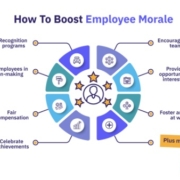
Managers play a crucial role in shaping employees’ attitudes toward their jobs. Management training programs that focus on effective communication, fostering psychological safety, and recognizing employee achievements can significantly improve job satisfaction, morale, and overall team loyalty.

Source:
Wolfe, C. (February 26, 2025). How to Maintain Employee Morale While Fulfilling Your Responsibilities. Loss Prevention Magazine.

Hashtags:
#ProtectionServices #SecurityStandards #PublicSafety #MobileSecurity #SecurityThreats

 

Loss Prevention in an Uncertain Economic Outlook

Loss Prevention in an Uncertain Economic Outlook

By Frank Costa, President, Nexgen Protection Services

The U.S. economy entered 2025 with momentum, but uncertainty looms as debates over immigration, tariffs, deregulation, and taxes continue to shape the economic outlook. This mix of policy discussions creates a complex and unclear narrative for the future.

Effective retail loss prevention requires a blend of security technologies—such as access control systems, alarm networks, and cybersecurity tools—alongside robust organizational policies and ongoing staff training. However, for these strategies to succeed, leadership must gain full buy-in from employees and continuously refine their approach.

While deregulation and tax cuts could offer a boost, immigration restrictions and tariffs present risks that could negatively impact the economy. Though recent economic data remains strong, the potential for downside risks remains a concern.

The ultimate goal of loss prevention should be to minimize losses before they occur. Achieving this requires a sustainable, proactive program built on three core principles: consistency, visibility, and innovation.

Source:
Wolfe, C. (March 4, 2025). NRF Chief Economist Says Data ‘Remains Strong’ But Public Policy Uncertainties ‘Blur the Economic Outlook’ for 2025. Loss Prevention Magazine.

Hashtags:
#ProtectionServices #SecurityStandards #PublicSafety #MobileSecurity #SecurityThreats
 

People Counting Technology Enhances Security and Provides Key Customer Insights

People Counting Technology Enhances Security and Provides Key Customer Insights

Frank Costa, President, Nexgen Protection Services, on the Need for Advanced Technology

Recent advancements in machine learning and deep learning have significantly enhanced the capabilities of video analytics, driving increased interest across industries. Along with improved accuracy and efficiency, these technologies have become more cost-effective and accessible. As a result, organizations are looking beyond traditional security applications to leverage video analytics for business optimization and operational efficiency.

People counting and crowd estimation tools initially gained traction among retailers for health and safety applications. Today, with continued technological advancements, these analytics have evolved into essential tools for a wide range of applications.

With people counting analytics, management can access actionable insights while eliminating the need for labor-intensive, manual foot traffic and occupancy tracking. Retail organizations use this data both for real-time responses and to inform strategic business decisions.

Retailers can analyze customer behavior, calculate conversion rates, and assess the ratio of visitors to actual buyers. Beyond sales and marketing insights, people counting tools also enhance store security. By analyzing historical data, management can determine peak hours and seasonal trends to optimize staffing levels.

Additionally, people counting technology enables real-time security alerts. The system can notify security teams of potential risks, such as individuals or groups spending prolonged periods unsupervised in high-value aisles. This allows management to assess whether increased monitoring or intervention is necessary.

Source:
Ebeid, N. (February 25, 2025). 3 Ways to Leverage People Counting for Operational Efficiencies. Loss Prevention Magazine.

Hashtags:
#ProtectionServices #SecurityStandards #PublicSafety #MobileSecurity #SecurityThreats


Loss Prevention Teams Seamlessly Integrate Tech, People, & Process to Mitigate Risk

Loss Prevention Teams Seamlessly Integrate Tech, People, & Process to Mitigate Risk

Frank Costa, President, Nexgen Protection Services, on the Need for Advanced Loss Prevention Strategies

Organizations today face increasing challenges related to loss prevention, operational efficiency, and data management. With the rise in organized crime, evolving compliance standards, and growing operational complexities, the need for a coordinated, comprehensive approach to loss prevention and risk management has never been more urgent.

Not only has the financial impact of organized retail crime surged in recent years, but safety concerns for both shoppers and employees have also intensified. In response, loss prevention teams are adopting a unified ecosystem that seamlessly integrates technology, personnel, and processes to mitigate risk and enhance security.

Source:
Skidmore, B. (November 14, 2024). WHITEPAPER: Holistic Loss Prevention: A People-Driven, Tech-Enabled Ecosystem. Loss Prevention Magazine.

Hashtags:
#ProtectionServices #SecurityStandards #PublicSafety #MobileSecurity #SecurityThreats



Ghost-Ransomeware-Attack

Ghost Ransomware Widespread Attacks on Organizations Internet-Facing Devices

Frank Costa, President, Nexgen Protection Services on Ghost Ransomware: 

The Cybersecurity and Infrastructure Security Agency (CISA), the Federal Bureau of Investigation (FBI), and the Multi-State Information Sharing and Analysis Center (MS-ISAC) have issued a joint advisory on Ghost ransomware (also known as Cring).

The advisory, which is primarily aimed at network defenders, provides critical details on Ghost ransomware activities, including:

  • Indicators of compromise (IOCs)
  • Tactics, techniques, and procedures (TTPs)
  • Detection methods

The data used to compile the advisory comes from FBI investigations into Ghost ransomware incidents. It highlights how Ghost actors are launching widespread attacks by targeting organizations that use outdated software and firmware on internet-facing devices. These threat actors often exploit publicly available code linked to Common Vulnerabilities and Exposures (CVEs) to gain access to vulnerable systems.

The advisory urges network defenders to carefully assess the risks and take appropriate measures to mitigate them. CISA also recommends reviewing the advisory and implementing its suggested mitigations. For additional guidance on ransomware protection, detection, and response, refer to the #StopRansomware initiative and the associated guide. More information on CISA’s Cross-Sector Cybersecurity Performance Goals (CPGs), including recommended baseline protections, is available on their website.

Source:
Alger, J. (February 21, 2025). CISA and FBI Issue Warning for Ghost Ransomware Activity. Security Magazine.
Hashtags: #protectionservices #securitystandards #publicsafety #mobilesecurity #securitythreats


Phishing Threats Are on the Rise: Organizations Must Assess Their Vulnerability

Frank Costa, President of NEXGEN Protection Services on Phishing Threats:

As AI-powered tools become more accessible, phishing threats are aon the rise. Attackers are increasingly targeting multiple channels to bypass security measures, beginning with phishing emails that contain links to video meetings featuring a deep fake.

Phishing attacks are becoming increasingly sophisticated, making it essential for organizations to assess their vulnerability. Hackers now have access to advanced AI-powered tools that enable them to craft email messages, create malicious payloads, and even generate deep fakes. These technologies—and the cyberattacks they facilitate—are more accessible than ever, particularly as cybercriminals tap into the growing “Crime as a Service” (CaaS) ecosystem. Providers now sell everything from attack tools to pre-packaged phishing kits designed to bypass native defenses and secure email gateways (SEGs).

Threat actors can leverage AI at every stage of a phishing attack, from speeding up the intelligence-gathering process on potential targets to automating the creation and distribution of highly personalized attacks. The use of AI accelerates and scales up attack creation, allowing even less-experienced cybercriminals to launch sophisticated campaigns. 

Impersonation attacks are another common tactic. The most frequent form involves attackers posing as the recipient’s company, accounting for 16% of phishing emails. The Human Resources (HR) department is often impersonated in these attacks. Cybercriminals also use platforms like LinkedIn, company websites, and news announcements to identify new hires at target organizations. These newly hired employees are then targeted in impersonation and social engineering attacks. New employees are frequently the victims of phishing emails impersonating VIPs, particularly in CEO fraud schemes.

To strengthen defenses, organizations can adopt best practices that help build a “human firewall.” The first step is to understand and communicate what constitutes normal behavior for brands and suppliers, which can aid in detecting impersonation. Organizations should also standardize and validate communication channels, especially for roles like HR and IT. Finally, companies should assess their vulnerability to supply chain and vendor-based compromises.

Source:
Alger, J. (February 20, 2025). Mobile Phishing Threats Are Evolving, According to New Research. Security Magazine.


Loss Prevention Strategies

Loss Prevention Strategies for Combating Organized Retail Theft

Frank Costa, President of NEXGEN Protections Services on Loss Preventions Strategies:

Organized retail theft (ORT) impacts more than just a retailer’s bottom line; it creates dangerous environments for both staff and shoppers. The increasing incidents of violence and aggression have pushed retailers to invest heavily in loss prevention strategies. In response, major retailers are partnering with technology innovators to strengthen their defenses. 

(ORT) involves coordinated efforts by professional thieves to steal large quantities of merchandise from retail stores. Unlike casual shoplifting, ORT is systematic, with stolen goods often resold through various channels, including online marketplaces. This form of theft has seen a significant rise in recent years, resulting in billions of dollars in annual losses for retailers.

Companies such as Walmart, Target, Lowe’s, Kroger, Macy’s, CVS, and others are at the forefront, using cutting-edge technology to deter and detect criminal activity. From advanced video surveillance systems to biometric cameras and autonomous security robots, retailers are deploying a formidable arsenal to combat the growing threat of ORT. Central to this technological revolution is the integration of artificial intelligence (AI), which enhances the sophistication and effectiveness of existing security measures.

Source:
Danielson, R. (February 20, 2025). Retail Resilience: Technology Strategies to Combat Organized Theft. Security Magazine.
Hashtags: #protectionservices #securitystandards #publicsafety #mobilesecurity #securitythreats


security threats

Security Threats: Keeping Convenience Stores Safe

Frank Costa, President of NEXGEN Protection Services on Security Threats:

Store owners and operators often face security threats. A difficult balancing act between maintaining profits and implementing security measures—especially when the costs of security are presented alongside traditional profit generators like marketing or product stocking.

Convenience stores come in many forms, from the mom-and-pop bodega in New York City to the sleek Speedway on the side of a cross-country highway. Despite their differences, all of these stores serve millions of U.S. customers looking for a quick drink, snack, or pack of cigarettes.

Given the transient nature of the convenience store industry, it’s a business where you never know who will walk through your door at any given time. While the convenience of these stores appeals to patrons, it also attracts criminals. Thieves frequently target these locations in hopes of stealing cash and merchandise. Organized criminal groups tend to focus on items that can be resold on the black or gray market, such as cigarettes, alcohol, lottery tickets, or other popular products.

Some owners might assume that enhancing store security requires the latest (and possibly most expensive) surveillance system or locks. However, it’s essential to first assess the overall environment and understand the specific threats a store faces.

Larger companies with multiple locations, whether regionally or nationwide, often have security departments that can conduct risk assessments. Relying on these resources can help identify local crime trends and determine what factors might impact a particular store.

Source:
Mosqueda, S. (February 10, 2025). Keeping Convenience Stores Safe from Physical Threats. Security Management Magazine.


Fraud-Schemes-Continue-to-Rise

Fraud Schemes Continue to Rise

Frank Costa, President of NEXGEN Protections Services on Fraud Schemes:

Fraud remains a persistent problem that organizations continue to struggle with, including the U.S. Federal Trade Commission (FTC), one of the federal agencies tasked with addressing fraud schemes.

Below are some of the top fraud scams that affected individuals and organizations in 2024 and are likely to continue being a problem in 2025.

  1. Investment Scams
    This scam tactic has been around for ages. Fraudsters often present themselves with seemingly lucrative business opportunities that promise regular returns—if you invest immediately.
  2. Business Email Compromise (BEC)
    BEC schemes have been around since email was first introduced and typically occur in one of two ways, according to Schlereth.
    Fraudsters either spoof a legitimate email address or domain name, often adding an extra letter so the sender appears authentic at a quick glance. Alternatively, they may use social engineering to obtain an employee’s credentials and then log into the victim’s work email. CFOs and CEOs are particularly lucrative targets.
  3. Check Fraud
    What’s old is new again. Check fraud surged last year, especially after individuals posted videos on social media showing themselves writing bad checks, depositing them at ATMs, withdrawing cash before the check bounced, and sharing their behavior.
    “Fraudulently altered checks can cause significant losses to financial institutions and disrupt bank operations,” the report states. “Due to the nationwide surge in check fraud targeting U.S. mail, the Financial Crimes Enforcement Network (FinCEN) issued an alert urging financial institutions to be vigilant in identifying and reporting such activity.”
  4. Impersonation Fraud
    In this scam, criminals claim victims are suspects in financial crimes and threaten arrest or violence unless they pay the criminals. Additionally, fraudsters are impersonating customer service and tech support providers, often targeting individuals over 60 by phone. They claim that the victim’s computer has been compromised and needs immediate repair.

Source:
Gates, M. (February 1, 2025). Trend Alert: 4 Fraud Schemes to Watch in 2025. Security Management Magazine.


Fraud-Detection-with-Video-Surveillance-Analytics.

Ways to Boost Fraud Detection with Video Surveillance & Analytics

Frank Costa, President of NEXGEN Protections Services on Fraud Detection:

Fraud costs the financial sector billions of dollars each year. It’s a persistent challenge for banks globally, made more complex by increasingly sophisticated fraud tactics and methods.

To stay ahead of fraud, financial institutions must leverage every available tool to protect their customers and assets. One such tool is video surveillance and analytics. By integrating video technology with fraud detection systems, banks can gain real-time insights, spot patterns, and take a proactive approach to security. This not only helps detect fraud but also prevents it from escalating.

  1. Real-Time Fraud Alerts
    Fraud detection systems generate a massive amount of data, but not every alert indicates a genuine threat. Video surveillance adds a critical visual layer, helping differentiate between legitimate fraud and false alarms.
  2. License Plate Recognition
    Drive-up ATMs and tellers face unique security challenges, especially in suburban and rural areas. License Plate Recognition (LPR) technology, integrated with video systems, offers a powerful way to identify vehicles linked to fraudulent activities. This information can be used to flag repeat offenders or known fraudsters.
  3. Behavioral Analytics
    ATM skimming is one of the most persistent threats to banks. Video surveillance equipped with behavioral analytics can identify suspicious patterns, such as individuals loitering near ATMs without conducting transactions or using multiple cards in quick succession.
  4. Integrated Surveillance
    ATM jackpotting—where criminals manipulate ATMs to dispense large amounts of cash—is a growing global issue. Combining video surveillance with physical sensors offers an effective defense. Cameras can detect unusual activity, like tampering, suspicious vehicles parked near ATMs, or vehicles with no license plates, and trigger real-time alerts.
  5. Loitering Detection
    Ensuring customer safety, especially at ATMs after hours, is a top priority for banks. Video surveillance with loitering detection analytics can identify individuals lingering near ATMs for extended periods, enabling timely intervention.
  6. Video Storage with Hybrid Solutions
    Storing surveillance footage for extended periods can be expensive. Hybrid storage solutions, which combine on-premises and cloud-based video storage, offer a practical alternative. Banks can securely store critical footage without the need for large-scale on-site infrastructure.
  7. Camera-to-Cloud Solutions for Remote Monitoring
    In some areas, installing on-site recorders can be impractical due to space or connectivity issues. Camera-to-cloud solutions address this by streaming video directly to the cloud. This eliminates the need for on-site hardware while maintaining full surveillance capabilities.
  8. Disaster Preparedness for Video Data
    Natural disasters pose a significant challenge to video surveillance systems. To mitigate this risk, banks should ensure that critical footage is preserved, even when on-site systems are compromised. Centralized evidence archiving allows banks to offload important video data to secure locations before a disaster strikes.

Transforming Fraud Prevention with Video Analytics

Video surveillance and analytics are revolutionizing fraud prevention, equipping banks with powerful tools to detect threats in real-time, enhance customer safety, and streamline security operations. From preventing ATM skimming and jackpotting to addressing loitering and improving evidence management, integrating video technology with existing systems strengthens banks’ ability to combat financial crime.

Source:
Corral, J. (February 5, 2025). 8 Ways to Boost Fraud Detection with Video Surveillance and Analytics. Security Management Magazine.