

Posts

Ghost-Ransomeware-Attack

Ghost Ransomware Widespread Attacks on Organizations Internet-Facing Devices

Frank Costa, President, Nexgen Protection Services on Ghost Ransomware: 

The Cybersecurity and Infrastructure Security Agency (CISA), the Federal Bureau of Investigation (FBI), and the Multi-State Information Sharing and Analysis Center (MS-ISAC) have issued a joint advisory on Ghost ransomware (also known as Cring).

The advisory, which is primarily aimed at network defenders, provides critical details on Ghost ransomware activities, including:

  • Indicators of compromise (IOCs)
  • Tactics, techniques, and procedures (TTPs)
  • Detection methods

The data used to compile the advisory comes from FBI investigations into Ghost ransomware incidents. It highlights how Ghost actors are launching widespread attacks by targeting organizations that use outdated software and firmware on internet-facing devices. These threat actors often exploit publicly available code linked to Common Vulnerabilities and Exposures (CVEs) to gain access to vulnerable systems.

The advisory urges network defenders to carefully assess the risks and take appropriate measures to mitigate them. CISA also recommends reviewing the advisory and implementing its suggested mitigations. For additional guidance on ransomware protection, detection, and response, refer to the #StopRansomware initiative and the associated guide. More information on CISA’s Cross-Sector Cybersecurity Performance Goals (CPGs), including recommended baseline protections, is available on their website.

Source:
Alger, J. (February 21, 2025). CISA and FBI Issue Warning for Ghost Ransomware Activity. Security Magazine.
Hashtags: #protectionservices #securitystandards #publicsafety #mobilesecurity #securitythreats


 

Loss Prevention Strategies

Loss Prevention Strategies for Combating Organized Retail Theft

Frank Costa, President of NEXGEN Protections Services on Loss Preventions Strategies:

Organized retail theft (ORT) impacts more than just a retailer’s bottom line; it creates dangerous environments for both staff and shoppers. The increasing incidents of violence and aggression have pushed retailers to invest heavily in loss prevention strategies. In response, major retailers are partnering with technology innovators to strengthen their defenses. 

(ORT) involves coordinated efforts by professional thieves to steal large quantities of merchandise from retail stores. Unlike casual shoplifting, ORT is systematic, with stolen goods often resold through various channels, including online marketplaces. This form of theft has seen a significant rise in recent years, resulting in billions of dollars in annual losses for retailers.

Companies such as Walmart, Target, Lowe’s, Kroger, Macy’s, CVS, and others are at the forefront, using cutting-edge technology to deter and detect criminal activity. From advanced video surveillance systems to biometric cameras and autonomous security robots, retailers are deploying a formidable arsenal to combat the growing threat of ORT. Central to this technological revolution is the integration of artificial intelligence (AI), which enhances the sophistication and effectiveness of existing security measures.

Source:
Danielson, R. (February 20, 2025). Retail Resilience: Technology Strategies to Combat Organized Theft. Security Magazine.
Hashtags: #protectionservices #securitystandards #publicsafety #mobilesecurity #securitythreats



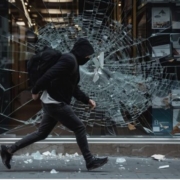
security threats

Security Threats: Keeping Convenience Stores Safe

Frank Costa, President of NEXGEN Protection Services on Security Threats:

Store owners and operators often face security threats. A difficult balancing act between maintaining profits and implementing security measures—especially when the costs of security are presented alongside traditional profit generators like marketing or product stocking.

Convenience stores come in many forms, from the mom-and-pop bodega in New York City to the sleek Speedway on the side of a cross-country highway. Despite their differences, all of these stores serve millions of U.S. customers looking for a quick drink, snack, or pack of cigarettes.

Given the transient nature of the convenience store industry, it’s a business where you never know who will walk through your door at any given time. While the convenience of these stores appeals to patrons, it also attracts criminals. Thieves frequently target these locations in hopes of stealing cash and merchandise. Organized criminal groups tend to focus on items that can be resold on the black or gray market, such as cigarettes, alcohol, lottery tickets, or other popular products.

Some owners might assume that enhancing store security requires the latest (and possibly most expensive) surveillance system or locks. However, it’s essential to first assess the overall environment and understand the specific threats a store faces.

Larger companies with multiple locations, whether regionally or nationwide, often have security departments that can conduct risk assessments. Relying on these resources can help identify local crime trends and determine what factors might impact a particular store.

Source:
Mosqueda, S. (February 10, 2025). Keeping Convenience Stores Safe from Physical Threats. Security Management Magazine.


Fraud-Detection-with-Video-Surveillance-Analytics.

Ways to Boost Fraud Detection with Video Surveillance & Analytics

Frank Costa, President of NEXGEN Protections Services on Fraud Detection:

Fraud costs the financial sector billions of dollars each year. It’s a persistent challenge for banks globally, made more complex by increasingly sophisticated fraud tactics and methods.

To stay ahead of fraud, financial institutions must leverage every available tool to protect their customers and assets. One such tool is video surveillance and analytics. By integrating video technology with fraud detection systems, banks can gain real-time insights, spot patterns, and take a proactive approach to security. This not only helps detect fraud but also prevents it from escalating.

  1. Real-Time Fraud Alerts
    Fraud detection systems generate a massive amount of data, but not every alert indicates a genuine threat. Video surveillance adds a critical visual layer, helping differentiate between legitimate fraud and false alarms.
  2. License Plate Recognition
    Drive-up ATMs and tellers face unique security challenges, especially in suburban and rural areas. License Plate Recognition (LPR) technology, integrated with video systems, offers a powerful way to identify vehicles linked to fraudulent activities. This information can be used to flag repeat offenders or known fraudsters.
  3. Behavioral Analytics
    ATM skimming is one of the most persistent threats to banks. Video surveillance equipped with behavioral analytics can identify suspicious patterns, such as individuals loitering near ATMs without conducting transactions or using multiple cards in quick succession.
  4. Integrated Surveillance
    ATM jackpotting—where criminals manipulate ATMs to dispense large amounts of cash—is a growing global issue. Combining video surveillance with physical sensors offers an effective defense. Cameras can detect unusual activity, like tampering, suspicious vehicles parked near ATMs, or vehicles with no license plates, and trigger real-time alerts.
  5. Loitering Detection
    Ensuring customer safety, especially at ATMs after hours, is a top priority for banks. Video surveillance with loitering detection analytics can identify individuals lingering near ATMs for extended periods, enabling timely intervention.
  6. Video Storage with Hybrid Solutions
    Storing surveillance footage for extended periods can be expensive. Hybrid storage solutions, which combine on-premises and cloud-based video storage, offer a practical alternative. Banks can securely store critical footage without the need for large-scale on-site infrastructure.
  7. Camera-to-Cloud Solutions for Remote Monitoring
    In some areas, installing on-site recorders can be impractical due to space or connectivity issues. Camera-to-cloud solutions address this by streaming video directly to the cloud. This eliminates the need for on-site hardware while maintaining full surveillance capabilities.
  8. Disaster Preparedness for Video Data
    Natural disasters pose a significant challenge to video surveillance systems. To mitigate this risk, banks should ensure that critical footage is preserved, even when on-site systems are compromised. Centralized evidence archiving allows banks to offload important video data to secure locations before a disaster strikes.

Transforming Fraud Prevention with Video Analytics

Video surveillance and analytics are revolutionizing fraud prevention, equipping banks with powerful tools to detect threats in real-time, enhance customer safety, and streamline security operations. From preventing ATM skimming and jackpotting to addressing loitering and improving evidence management, integrating video technology with existing systems strengthens banks’ ability to combat financial crime.

Source:
Corral, J. (February 5, 2025). 8 Ways to Boost Fraud Detection with Video Surveillance and Analytics. Security Management Magazine.


Organized Retail Crime: Strategies for Mitigating Loss

Organized Retail Crime: Strategies for Mitigating Loss

Frank Costa, President, Nexgen Protection Services

To effectively combat organized retail crime, retailers must establish strong partnerships with industry associations, law enforcement agencies, and other relevant stakeholders. Such collaboration enables the exchange of intelligence, best practices, and emerging trends, allowing for a proactive response to the evolving nature of organized crime.

Partnership with Law Enforcement:
Close collaboration with law enforcement is critical. Retailers should establish direct communication channels with local police departments and develop protocols for promptly reporting organized crime incidents.

Training Store Associates:
Education and awareness are key to preventing organized crime. Retail employees must receive comprehensive training on identifying organized crime indicators, understanding theft patterns, and implementing effective prevention techniques.

Source:
Brittain, J. (2025, January 14). Retail’s Dangerous Triangle: Trafficking, Trucking, & Organized Theft. Loss Prevention Magazine.

#protectionservices #securitystandards #publicsafety #mobilesecurity #securitythreats


How Security Is Shaping the Cannabis Industry

How Security Is Shaping the Cannabis Industry

Frank Costa, President, Nexgen Protection Services

A surveillance system can help protect your business from theft, particularly employee theft, which is a widespread issue in the cannabis industry. For large outdoor growing operations, having a monitoring system in place provides peace of mind by securing your property from all angles at all times.

Source:
Baxter, K. (2025, January 13). How security is shaping the cannabis industry. Security InfoWatch.

#protectionservices #securitystandards #publicsafety #mobilesecurity #securitythreats



Mitigate Losses to the Supply Chain with Robust Security Protection

Mitigate Losses to the Supply Chain with Robust Security Protection

Frank Costa, President, Nexgen Protection Services

Companies lose billions of dollars annually due to cargo theft. Many manufacturers don’t realize their shipments have been stolen until it’s too late, often discovering the issue only when the shipment fails to arrive on the expected date.

To mitigate losses in the supply chain caused by security threats, key protection measures include:

  • Thorough vendor vetting
  • Robust access controls
  • Data encryption
  • Continuous monitoring
  • Incident response planning
  • Supply chain visibility through technology
  • Diversifying suppliers
  • Implementing strong cybersecurity practices across all tiers of the supply chain, ensuring all partners adhere to the same security standards.

Source:
Fryer, N. (2025, January 18). How transportation management systems mitigate supply chain risks for manufacturers. Security InfoWatch.

#protectionservices #securitystandards #publicsafety #mobilesecurity #securitythreats



The Importance of Parking Lot Security During the Holiday Season

The Importance of Parking Lot Security During the Holiday Season

Frank Costa, President, Nexgen Protection Services

The holiday season brings increased activity to shopping centers, office complexes, and other public spaces, making parking lots prime targets for various security threats. Understanding these risks and implementing effective countermeasures can help reduce threats to both individuals and property.

With large crowds and busy lots, personal safety risks such as assaults, robberies, and carjackings become more prevalent. Criminals often target individuals carrying cash, credit cards, or valuable items. To counteract these threats, mobile security cameras equipped with motion sensors and two-way communication can provide an added layer of safety. These cameras enable security personnel to monitor isolated areas more closely. The ability to relocate cameras based on real-time data and activity trends ensures that security coverage can adapt to shifting risks, providing a more comprehensive safety strategy.

To mitigate these security threats, parking lot owners should invest in enhanced lighting, permanent and mobile surveillance systems, increased security patrols, and emergency call stations. Mobile security cameras, in particular, offer a versatile and dynamic solution for monitoring parking lots. These cameras can be repositioned as needed, provide real-time surveillance, and serve both as a deterrent and a responsive tool for addressing security issues.

Additionally, patrons should practice personal safety measures, such as parking in well-lit areas, staying vigilant, and securing their belongings. By combining strategic security technologies like mobile cameras with proactive safety practices, property owners, managers, and patrons can work together to create a safer and more secure environment during the busy holiday season.


SOURCE: 

Survey: Parking lot safety influences holiday shopping habits, Security Magazine, 2024.
#protectionservices #securitystandards #publicsaftey  #mobilesecurity #securitythreats

 

Retailers Must Leverage Technology That Goes Beyond Thwarting Theft to Predicting It

Retailers Must Leverage Technology That Goes Beyond Thwarting Theft to Predicting It

Frank Costa, President, Nexgen Protection Services

Violence remains a major concern for the retail industry. Retailers and solution providers must collaborate to develop and implement technology that goes beyond simply thwarting theft. Efforts must focus on predicting and preventing theft. By doing so will proactively reduce the risk of violence and mitigate crime.

Retailers have reported an increase in both the average number of shoplifting incidents and the amount of dollars lost due to shoplifting over the past year (National Retail Federation, The Impact of Retail Theft & Violence 2024).

Protecting store associates and customers, while reducing today’s levels of violence and retail crime, requires a whole-community approach and collaboration across all stakeholders.

SOURCE: 

Wolfe, C. New Study Shows Shoplifting Is Up 93% Since Before the COVID-19 Pandemic, Loss Prevention Magazine, 12/19/2024.
#protectionservices #securitystandards #publicsaftey  #mobilesecurity #securitythreats

 

Do’s and Don’ts of GenAI for Security Metrics

Do’s and Don’ts of GenAI for Security Metrics

Frank Costa, President, Nexgen Protection Services


Security teams must get it right—there’s no room for error.

Do you use ChatGPT or other AI generators for your business security? Regardless of how you implement GenAI, what truly matters is what you do—and don’t do.

There’s no doubt that GenAI models are powerful tools. When adopted responsibly, they can help streamline security protocols, optimize time, and more. However, it’s crucial to remain fully aware of the limitations of GenAI models.

For starters, never underestimate the importance of keeping the human touch in your work. As smart as AI might seem, it cannot capture the intangibles that come from human intuition.

AI lacks a sense of bias and is unaware of what constitutes correct or incorrect facts. Therefore, it is vital to proofread any AI-generated content and verify all facts before acting on the data.

GenAI models are trained on vast amounts of data from multiple sources, meaning there is always a risk that AI-generated content could contain plagiarized text.


SOURCE: 

Shelmire, A. Liars in the wires: Getting the most from GenAI without getting duped, Security Magazine, 09/19/2024.
#protectionservices #securitystandards #publicsaftey  #mobilesecurity #securitythreats