
Posts

Avoiding a “Failure of Imagination”

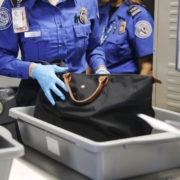
Protecting American Flyers & Airport Staff — Avoiding a “Failure of Imagination”

The phrase “failure of imagination” entered the national lexicon after the 9/11 Commission concluded that U.S. intelligence agencies didn’t anticipate terrorists using commercial aircraft as weapons — not because it was impossible to imagine, but because it wasn’t adequately planned for ahead of time. Wikipedia

Today, preventing another tragic lapse in foresight requires forward‑thinking security strategies — not just reaction. For aviation security, this means embracing layered defenses that protect passengers, employees, and facilities from evolving threats before they materialize.

Key components of effective airport security include:

  • Proactive threat screening: Implementing advanced screening for aviation workers and passengers to detect a wider range of dangers, including weapons and prohibited items, helps strengthen defenses against insider and outsider threats. Security Magazine
    Training & preparedness: Security personnel trained to recognize subtle indicators of risk are more likely to detect unusual behavior — bridging gaps before problems escalate.
    Collaboration & intelligence sharing: Seamless communication between airlines, private security, federal agencies, and local law enforcement improves situational awareness and response times.

Avoiding a “Failure of Imagination”

Frank Costa, President, Nexgen Protection Services, we help organizations think ahead, train proactively, and act confidently. Security is not just about responding — it’s about anticipating. By embedding forward‑looking practices into aviation security plans, we strengthen safety for flyers and airport employees alike.

#AirportSecurity #AviationSafety #SecurityLeadership #ThreatPrevention
#CrisisPreparedness #ProactiveSecurity #DefenseInDepth #SecurityTraining

APA Source
Cunningham, B. (2025). No more failures of imagination: Future proofing airport employee screening. Security Magazine. Retrieved from https://www.securitymagazine.com/articles/102053-no-more-failures-of-imagination-future-proofing-airport-employee-screening

Reputation

How Effective Security Defends Brand Reputation

A brand’s reputation is built on trust—and security plays a critical role in protecting it. Customers expect safe, professional, and well-managed environments. When incidents like theft, disorder, or safety concerns go unchecked, the impact extends far beyond immediate loss and can damage long-term brand perception.

Effective security does more than respond to incidents. It prevents problems before they escalate, creating confidence among customers, employees, and partners.

Here’s how professional security protects brand reputation:

🔹 Visible deterrence
A trained, professional security presence discourages theft and disruptive behavior while reassuring customers.

🔹 Calm, professional response
When issues arise, skilled guards manage situations discreetly and respectfully—avoiding scenes that could harm public perception.

🔹 Consistency and accountability
Clear security procedures and reporting help ensure incidents are handled properly and transparently.

🔹 Employee support
Staff feel safer and more confident when security is present, improving morale and customer service quality.

Frank Costa, President, Nexgen Protection Services, we understand that every interaction reflects on your brand. Our guards are trained not just in protection, but in professionalism, communication, and prevention—because how security is delivered matters as much as having it.

Strong security isn’t just a safeguard—it’s a brand investment.

#BrandProtection #RetailSecurity #SecurityServices #LossPrevention
#CustomerTrust #AssetProtection #BusinessContinuity #ProfessionalSecurity

APA Source
National Retail Federation. (2023). National Retail Security Survey. National Retail Federation.

Loss Prevention

Tips for Loss Prevention: Shoplifting & Employee Theft

Loss prevention is most effective when it’s proactive, consistent, and team-driven. Both shoplifting and employee theft contribute significantly to retail shrink, but the right strategies can reduce risk before losses occur.

Here are key loss prevention tips retailers should prioritize:

🔹 Train staff to recognize behaviors, not profiles
Unusual lingering, concealment, frequent blind-spot use, or policy avoidance are common red flags.

🔹 Increase visibility
A strong floor presence—by employees and security guards—naturally deters theft without confrontation.

🔹 Encourage customer engagement
Simple greetings and offers of help discourage shoplifting and reinforce accountability.

🔹 Control access and inventory
Limit access to high-value or high-risk items and conduct regular audits to identify discrepancies early.

🔹 Establish clear internal policies
Employee theft often thrives in unclear systems. Clear procedures, separation of duties, and consistent enforcement reduce opportunity.

🔹 Promote reporting and communication
Staff should feel supported when reporting suspicious activity. Timely communication with security prevents escalation.

Frank Costa, President, Nexgen Protection Services, we support retailers with trained guards who understand loss prevention best practices and work alongside staff to protect assets, employees, and customers.

Effective loss prevention isn’t about distrust—it’s about awareness, training, and prevention.

#LossPrevention #RetailSecurity #ShopliftingPrevention
#EmployeeTheft #ShrinkReduction #AssetProtection
#SecurityServices #RetailSafety

APA Source
National Retail Federation. (2023). National Retail Security Survey. National Retail Federation.

Loss Prevention

Why Loss Prevention Investigations Matter in Retail

Loss prevention investigations are more than reacting to incidents—they are a critical, skill-driven part of a comprehensive retail security strategy. When losses occur, investigations help uncover why they happened, how they occurred, and what can be done to prevent them in the future.

Effective investigations go beyond identifying theft. They analyze patterns, processes, and vulnerabilities that contribute to shrink. This insight allows retailers to implement targeted solutions, strengthen procedures, and improve overall operational efficiency.

Frank Costa, President, Nexgen Protection Services, trained security professionals support loss prevention investigations by:

  • Observing and documenting suspicious activity

  • Preserving accurate incident details

  • Supporting internal LP teams with professional reporting

  • Helping identify trends that lead to repeat losses

When done correctly, investigations protect more than inventory—they support business improvement, staff accountability, and safer retail environments. Each investigation is an opportunity to learn, adapt, and strengthen prevention strategies.

Retailers who invest in skilled loss prevention investigations are better equipped to reduce shrink, protect assets, and make informed decisions that drive long-term success.

#LossPrevention #RetailSecurity #AssetProtection #ShrinkReduction
#SecurityServices #RetailSafety #LossPreventionInvestigations

APA Source

Thefts

Small Thefts. Big Impact.

In retail, it’s easy to underestimate thefts involving items under $50. Individually, they may seem minor—but when these incidents happen daily, the losses quietly compound into thousands of dollars each year.

This type of shrink is often the hardest to spot because it blends into normal operations. Over time, it erodes margins, affects inventory accuracy, and places unnecessary pressure on pricing and staffing.

The solution starts with training.

When staff are trained to recognize early signs of low-value theft—such as concealment, repeated visits, or product switching—they can take proactive, non-confrontational steps to deter loss before it grows. Simple actions like customer engagement, visibility, and timely communication with security make a measurable difference.

Frank Costa, President, Nexgen Protection Services, “we emphasize that effective loss prevention isn’t just about stopping major incidents—it’s about closing the small leaks that drain profits over time. Trained staff, supported by professional security, create a safer store and stronger bottom line.”

Stopping theft early protects more than merchandise—it protects long-term profitability.

#LossPrevention #RetailSecurity #ShrinkReduction #AssetProtection
#RetailSafety #SecurityTraining #StoreSecurity #TheftPrevention

APA Source
National Retail Federation. (2023). National Retail Security Survey. National Retail Federation.

retail security

The Growing Role of Virtual Reality in Retail Security & Training

Virtual reality (VR) is gaining momentum in retail security—not just for immersive customer experiences, but also for employee training and loss prevention. VR allows staff and security teams to practice real-world scenarios in a controlled, risk-free environment, improving awareness, decision-making, and response times.

For loss prevention, VR training can simulate:


• Suspicious behavior recognition
• Proper intervention techniques
• Communication between staff and security
• De-escalation in high-stress situations

This hands-on approach helps employees learn faster and retain skills more effectively than traditional classroom methods.

However, despite its potential, widespread adoption remains limited. High implementation costs, scalability challenges, and varying levels of industry readiness mean VR is still an emerging tool rather than a standard solution across retail environments.

Frank Costa, President, Nexgen Protection Services, we closely track innovations like VR while continuing to deliver proven, practical loss prevention training that works today. As technology evolves, blending advanced tools with experienced security professionals will be key to reducing shrink and improving safety.

The future of retail security lies in smart training, adaptive strategies, and collaboration between people and technology.

#RetailSecurity #LossPrevention #SecurityTraining #RetailInnovation
#VirtualReality #AssetProtection #RetailSafety #FutureOfRetail

APA Source
PwC. (2022). Seeing is believing: How virtual reality and augmented reality are transforming business. PricewaterhouseCoopers.


Loss Prevention

Loss Prevention: Early Red Flags Stop Theft Before It Happens

By Frank Costa, President, Nexgen Protection Services – Retail Loss Prevention

In retail environments, theft often starts with small, observable behaviors. One of the most common patterns? Individuals who avoid eye contact, linger without purpose, or position themselves in blind spots where visibility is limited.

These behaviors are early red flags—not proof of theft, but indicators that deserve attention.

When store staff are trained to recognize these signals, they can take early, proactive steps such as increasing customer engagement, notifying security, or adjusting floor presence. These simple actions often deter theft before merchandise is taken and before situations escalate.

Loss prevention and security training focuses on:

  • Behavioral awareness, not assumptions
  • Observational skills over confrontation
  • Professional intervention that protects both staff and customers

The goal isn’t to accuse—it’s to prevent loss through visibility and engagement. Early intervention reduces shrink, protects high-value inventory, and maintains a safe, welcoming shopping environment.

The most effective loss prevention strategies begin with trained eyes and clear communication between staff and security teams.

#LossPrevention #RetailSecurity #SecurityServices #TheftPrevention
#ShrinkReduction #RetailSafety #AssetProtection #SecurityTraining

APA Source
National Retail Federation. (2023). National Retail Security Survey. National Retail Federation.


retail

Protecting Profits & Enhancing Customer Experience in Retail

Electronics are among the most targeted items in retail theft because of their high resale value and demand. These products can represent some of the most costly losses a store can face when stolen.

By Frank Costa, President, Nexgen Protection Services- Retail Theft 

That’s why effective loss prevention training is so important. At Nexgen Protection Services, we equip retail teams with industry-proven techniques to monitor high-risk products like electronics without creating friction for genuine customers. Our training focuses on subtle observation, customer service gestures, and recognizing suspicious patterns early — before loss occurs.

When staff are confident and trained to watch high-value categories, security teams can respond more efficiently, deter theft, and maintain a welcoming shopping environment. This balanced approach not only reduces shrink but also improves customer satisfaction.

Retail loss prevention isn’t just about watching for theft — it’s about empowering employees to protect inventory while preserving seamless service.

#RetailSecurity #LossPrevention #ShrinkReduction #AssetProtection #SecurityTraining
#CustomerExperience #RetailSafety #HighValueItems

APA Source:
National Retail Federation. (2023). National Retail Security Survey. National Retail Federation.

loss prevention

Early Action Makes the Difference in Retail Loss Prevention

When store staff report suspicious behavior early, outcomes change—for the better.

Frank Costa, President, Nexgen Protection Services — Los Prevention

In a recent incident, store employees noticed unusual activity and immediately contacted our security team. Because of the fast response, our guard was able to intervene before the individual exited the store with unpaid merchandise. The situation was handled professionally, safely, and without escalation.

This case highlights how effective loss prevention really works:

  • Awareness from store staff
  • Clear communication
  • Rapid response by trained security personnel

Retail theft often isn’t a single moment—it’s a process. The earlier suspicious behavior is identified, the more options there are to resolve the situation calmly and legally. Waiting until someone exits the store increases risk, loss value, and potential confrontation.

Cooperation changes outcomes.

When employees and security teams work together, retailers reduce shrink, protect staff, and maintain a safer shopping environment for everyone.

#LossPrevention #RetailSecurity #SecurityServices #RetailSafety
#TheftPrevention #AssetProtection #StoreSecurity #ShrinkReduction

APA Source
National Retail Federation. (2023). National Retail Security Survey. National Retail Federation.

Closing-the-Influence-Gap-Why-Security-Professionals-Must-Be-Heard.

Closing the Influence Gap: Why Security Professionals Must Be Heard

By Frank Costa, President, Nexgen Protection Services

New research highlights a concerning trend: security professionals often lack the influence they need, and many organizations are struggling to perform even the most basic security risk management functions effectively. (ISACA, 2025)

For enterprises navigating increasingly complex threat landscapes, this is a critical wake-up call. Without strong influence and integration at the executive level, security teams risk being reactive rather than strategic, and organizations leave themselves exposed to avoidable risks.

The Influence Gap
Consultants found that security professionals frequently aren’t included in key business decisions, limiting their ability to align risk management with organizational objectives. This misalignment can lead to gaps in policies, insufficient resource allocation, and fragmented incident response strategies.

Challenges in Risk Management
The research also revealed weaknesses in core security functions:

  • Inconsistent risk assessments and prioritization

  • Limited integration with enterprise governance frameworks

  • Insufficient monitoring and reporting of key security metrics

Why This Matters
Security isn’t just an IT concern — it’s enterprise risk management. Organizations that fail to empower security professionals risk operational disruptions, regulatory noncompliance, reputational damage, and financial loss.

Steps Forward

  1. Elevate Security Leadership — Ensure CSOs or security leads have a seat at the executive table.

  2. Integrate Security into Strategy — Align risk management with business goals and decision-making processes.

  3. Invest in Training & Metrics — Equip teams with the skills, tools, and KPIs needed to measure and communicate risk effectively.

  4. Foster a Culture of Awareness — Make security a shared responsibility, not an isolated function.

In today’s environment, visibility, influence, and strategic alignment are just as important as technical capability. Organizations that empower their security teams gain a competitive advantage — protecting assets, maintaining trust, and mitigating risks before they escalate.

#CyberSecurity #EnterpriseRiskManagement #CSO #SecurityLeadership #RiskMitigation #CorporateSecurity #Governance #InformationSecurity #StrategicSecurity

Reference
ISACA. (2025). State of security leadership and risk management research report. ISACA. (https://www.isaca.org/resources/news-and-trends/newsroom)