

Posts

Creating a Grocery Loss Prevention Strategy

Creating a Grocery Loss Prevention Strategy

By Frank Costa, President, Nexgen Protection Services

Effective loss prevention in the grocery sector goes beyond deterring theft—it requires a comprehensive, data-driven strategy that minimizes shrink across all areas of the business. As grocery stores face unique challenges such as perishable inventory, high transaction volume, and broad employee access, a tailored approach is essential. Below are nine key components of a successful grocery loss prevention strategy.

1. Minimize Perishable Food Waste

In grocery, loss prevention starts with managing perishables. Spoilage and product expiration account for a significant portion of shrink. Investing in better forecasting, rotation practices, and inventory controls can greatly reduce waste and improve margins.

2. Identify External Theft and Fraud

While spoilage leads shrink, external theft and fraud are still major concerns. From organized retail crime to small-scale shoplifting and fraudulent returns, grocers must implement physical deterrents, surveillance, and digital tools that help detect and respond to these losses in real time.

3. Detect Internal Theft and Fraud Early

Employee theft is an unfortunate reality in any retail environment—including grocery. Early detection through exception reporting, transaction monitoring, and access control systems can minimize financial impact and help protect store culture.

4. Adopt a Cross-Functional Mindset

Loss prevention cannot operate in a silo. LP leaders are uniquely positioned to partner with merchandising, store operations, supply chain, finance, marketing, and HR. Sharing insights across departments helps embed a loss prevention mindset throughout the organization, making loss reduction a shared responsibility.

5. Become a Hub for Operational Insights

By integrating multiple data feeds—POS transactions, video analytics, inventory tracking—LP teams gain a comprehensive view of customer behavior and operational vulnerabilities. Sharing these insights with peers in operations and finance builds credibility, encourages collaboration, and positions LP as a strategic business partner.

6. Balance Loss Prevention with Customer Experience

Security solutions should protect inventory without compromising the customer experience. While locked display cases may deter theft, they can frustrate shoppers and impact sales. The best strategies are those that strike a balance—designed in partnership with merchandising and operations to be effective yet minimally disruptive.

7. Refine Hiring, Training, and Awareness

A successful loss prevention program starts with people. Hire employees who align with company values, then train them well—not just on store operations, but on the importance of loss prevention. When staff understand the controls in place and their role in protecting the business, they are less likely to engage in fraud and more likely to actively support LP efforts.

8. Measure Success Holistically

To gain organizational support, LP must demonstrate value in both tangible and strategic terms. This includes identifying enterprise-wide issues, quantifying financial impact, setting goals, and tracking performance. From margin protection and shrink reduction to specific metrics like refunds, voids, or cash variances, success should be measured across the full spectrum of the P&L.

9. Continue to Refine

Loss prevention is an evolving discipline. As the grocery landscape shifts—due to new sales models, technology, or economic pressures—LP strategies must adapt. The most effective programs are agile, constantly testing new tools and refining techniques to stay ahead of emerging risks and protect profitability.

Final Thoughts

A modern grocery loss prevention program isn’t just about stopping theft—it’s about building a culture of awareness, leveraging data, and embedding security into every part of the operation. When done well, it not only protects the bottom line but enhances overall store performance and customer trust.


Source:
Seidler, K. (February 03, 2016). Walmart’s Neighborhood Market Loss Prevention and Safety Program Featured in the Latest Magazine Edition. Loss Prevention Magazine.

Hashtags:
#ProtectionServices #SecurityStandards #PublicSafety #MobileSecurity #SecurityThreats


Loss Prevention Duties Include Collaboration with IT

Loss Prevention Duties Include Collaboration with IT

By Frank Costa, President, Nexgen Protection Services

Today, effective loss prevention increasingly depends on a close, collaborative relationship with IT.

Traditionally, the loss prevention (LP) and information technology (IT) departments operated in separate spheres within the retail environment. But as security threats evolve and retail operations become more digitized, the line between these functions is rapidly disappearing. 

The Convergence of Security and Technology

Modern retail security solutions are far more sophisticated than in the past. From AI-powered video analytics to integrated access control and real-time inventory tracking, these tools require deep integration into a company’s network infrastructure. That means LP and Asset Protection (AP) teams must work hand-in-hand with IT to deploy, maintain, and maximize the effectiveness of these technologies.

This collaboration is especially critical when managing the data and analytics side of loss prevention. As systems generate more actionable insights—on everything from suspicious behavior to theft patterns—LP professionals need support from IT to ensure data is captured, secured, and translated into meaningful strategy.

Breaking Down Silos

As organizations face increasingly complex security challenges, integrated, data-driven approaches are no longer optional—they’re essential. This trend is pushing LP, AP, and IT teams to break down traditional silos and embrace a more collaborative culture.

Investing in the Future

Creating a truly integrated approach requires more than just technology. It also involves investing in cross-functional training, shared goals, and a culture that values collaboration. By aligning LP and IT efforts, businesses can build more agile, proactive security operations.

A Strategic Advantage

Retailers that successfully foster this collaboration will be better positioned to handle emerging threats, reduce shrink, and safeguard both assets and personnel. In today’s environment, long-term security isn’t just about cameras and locks—it’s about strategy, synergy, and smart use of data.


Source:
Seidler, K. (May 10, 2025). Loss Prevention Duties Include Collaboration with IT. Loss Prevention Magazine.

Hashtags:
#ProtectionServices #SecurityStandards #PublicSafety #MobileSecurity #SecurityThreats



Employees who attempt to stop or detain suspected shoplifters without proper training expose themselves and the business to significant risks

The Cost of Untrained Store Employees Stopping Shoplifters

By Frank Costa, President, Nexgen Protection Services

In many states—including New Jersey—retailers are legally permitted to detain suspected shoplifters. However, this authority comes with serious responsibility. If you’re a store owner, manager, or loss prevention officer, and your store has a policy allowing detention of shoplifters, it is critical to establish clear guidelines and provide proper training for all involved staff.

Why Training Matters

Employees who attempt to stop or detain suspected shoplifters without proper training expose themselves and the business to significant risks—including injury, legal liability, and reputational damage. To minimize these risks, staff must be trained on the following:

  • Establishing Probable Cause: Employees must understand what qualifies as probable cause or reasonable suspicion. Detaining someone without it can lead to legal claims against the business.
  • Non-Confrontational Approach: Any interaction with a suspected shoplifter must be calm, non-accusatory, and non-threatening. Staff should maintain a safe distance—at least six feet—to avoid physical altercations, especially if the suspect becomes violent.
  • No Chases: If a suspected shoplifter attempts to flee, employees should never pursue them. Chases can lead to serious injury or legal liability for both the employee and the business.
  • Handling Non-Compliance: If a suspect refuses to comply, employees should disengage immediately, allow the individual to leave, and notify law enforcement.

The Safer, Smarter Approach

If your company maintains a zero-tolerance policy on shoplifting, the safest and most effective solution is to hire off-duty police officers or licensed professional security personnel. These individuals are trained to handle confrontations and detentions lawfully and safely.

Allowing untrained store employees—or even loss prevention officers—to act as security personnel and use force is both reckless and irresponsible. No employee should ever be placed in a situation where they’re expected to physically confront a shoplifter.

Conclusion

The cost of having untrained staff engage with shoplifters can far outweigh the loss from stolen merchandise. Protect your team, your customers, and your business by implementing clear policies, prioritizing safety, and leaving physical enforcement to professionals.

Source:
Blaettler, J. (2025, January 27). The Cost of Untrained Store Employees Stopping Shoplifters. Loss Prevention Magazine.

Hashtags:
#ProtectionServices #SecurityStandards #PublicSafety #MobileSecurity #SecurityThreats


Focus on Metrics: Measuring and Communicating Security Effectiveness

Focus on Metrics: Measuring and Communicating Security Effectiveness

By Frank Costa, President, Nexgen Protection Services

Security operations rarely generate profit for the organization. While security is seldom recognized for all the preventive work done, it is often praised for responding to incidents—although this response typically represents only a small, yet critical, portion of our time.

We should focus more on demonstrating our value through smart, innovative metrics that are easily communicated, understood, and actionable for everyone on our team—and especially for all employees.

Source:
Rhatigan, D. (2025, March 17). Metrics to Make Security Shine Beyond the Numbers. Security Magazine.

Hashtags:

#Metrics #ProtectionServices #SecurityStandards #PublicSafety #MobileSecurity #SecurityThreats


The ROI of Security: Preventing Breaches Leads to Profit and Trust

The ROI of Security: Preventing Breaches Leads to Profit and Trust

By Frank Costa, President, Nexgen Protection Services

There are several ways to quantify security ROI, including cost savings from prevented breaches, regulatory compliance, and enhanced business continuity.

At its core, ROI is a financial metric that evaluates the profitability of an investment. In the context of security, ROI refers to the financial benefits gained from investing in security measures relative to the costs incurred. Calculating ROI can be complex in this context due to the intangible nature of many security benefits, such as risk mitigation and enhanced reputation.

Consumers are increasingly concerned about the security of their personal information. Businesses that prioritize security not only differentiate themselves from competitors but also build trust with customers. A strong security posture demonstrates a company’s commitment to protecting customer data, enhancing brand loyalty and attracting new customers.


Wood CPP, P. (March 17, 2025). How to Measure Your Security and Resilience ROI. Security Management.

Hashtags:
#ProtectionServices #SecurityStandards #PublicSafety #MobileSecurity #SecurityThreats

 

A Deep Dive Into the Landscape of Gun-Related Incidents Across the United States

A Deep Dive Into the Landscape of Gun-Related Incidents Across the United States

By Frank Costa, President, Nexgen Protection Services

While active shooter events—where individuals enter a space with the intent to kill—are relatively rare, the most common gun-related incidents are often the result of personal disputes that escalate into violence. Other frequent incidents include weapons being discovered but not used, as well as shooting threats.

Two of the most powerful predictors of gun violence are:

  1. History of Aggression
    Individuals with a history of aggressive behavior are more likely to engage in violent acts. Prior incidents of aggression should be closely monitored to assess potential risks.
  2. Substance Abuse
    Substance abuse, particularly involving alcohol and drugs, has a strong correlation with violent behavior. This factor should be considered when assessing threats.

GUN RELATED INCIDENTS

In many cases, retailers may not own the parking lot or outdoor spaces surrounding their stores. However, they can still enhance security by installing exterior cameras that monitor these areas. Additionally, considering the placement of in-store cameras, integrating gun detection software into existing security systems, and providing specialized training for security personnel can further improve safety measures.

Source:
Wolfe, C. (February 13, 2025). Retail Spaces Top the List of Gun Violence Targets in New Report. Loss Prevention Magazine.

Hashtags:
#ProtectionServices #SecurityStandards #PublicSafety #MobileSecurity #SecurityThreats

 

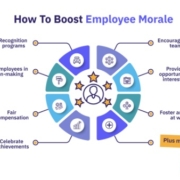
Advanced Loss Prevention Strategies: Addressing Staff Morale Issues

Advanced Loss Prevention Strategies: Addressing Staff Morale Issues

By Frank Costa, President, Nexgen Protection Services

Is your organization struggling with low staff morale? Here are a few telltale signs to watch for:

  1. Absenteeism and Presenteeism
    Low morale often leads to employees either frequently missing work (absenteeism) or coming to work but not fully engaging (presenteeism).
  2. Frequent Conflicts
    While conflict is natural in any workplace, constant or unresolved disputes may signal deeper morale issues.
  3. Disorganization
    Employees who feel disengaged may lack the motivation to maintain a tidy and organized work environment.
  4. Ongoing Complaints
    Regular complaints, especially about minor issues, may indicate dissatisfaction with the overall work culture.
  5. Customer or Client Complaints
    Low employee morale often affects customer service, leading to more frequent complaints about work quality, employee attitudes, or service.

Managers play a crucial role in shaping employees’ attitudes toward their jobs. Management training programs that focus on effective communication, fostering psychological safety, and recognizing employee achievements can significantly improve job satisfaction, morale, and overall team loyalty.

Source:
Wolfe, C. (February 26, 2025). How to Maintain Employee Morale While Fulfilling Your Responsibilities. Loss Prevention Magazine.

Hashtags:
#ProtectionServices #SecurityStandards #PublicSafety #MobileSecurity #SecurityThreats
 

Phishing Threats Are on the Rise: Organizations Must Assess Their Vulnerability

Frank Costa, President of NEXGEN Protection Services on Phishing Threats:

As AI-powered tools become more accessible, phishing threats are aon the rise. Attackers are increasingly targeting multiple channels to bypass security measures, beginning with phishing emails that contain links to video meetings featuring a deep fake.

Phishing attacks are becoming increasingly sophisticated, making it essential for organizations to assess their vulnerability. Hackers now have access to advanced AI-powered tools that enable them to craft email messages, create malicious payloads, and even generate deep fakes. These technologies—and the cyberattacks they facilitate—are more accessible than ever, particularly as cybercriminals tap into the growing “Crime as a Service” (CaaS) ecosystem. Providers now sell everything from attack tools to pre-packaged phishing kits designed to bypass native defenses and secure email gateways (SEGs).

Threat actors can leverage AI at every stage of a phishing attack, from speeding up the intelligence-gathering process on potential targets to automating the creation and distribution of highly personalized attacks. The use of AI accelerates and scales up attack creation, allowing even less-experienced cybercriminals to launch sophisticated campaigns. 

Impersonation attacks are another common tactic. The most frequent form involves attackers posing as the recipient’s company, accounting for 16% of phishing emails. The Human Resources (HR) department is often impersonated in these attacks. Cybercriminals also use platforms like LinkedIn, company websites, and news announcements to identify new hires at target organizations. These newly hired employees are then targeted in impersonation and social engineering attacks. New employees are frequently the victims of phishing emails impersonating VIPs, particularly in CEO fraud schemes.

To strengthen defenses, organizations can adopt best practices that help build a “human firewall.” The first step is to understand and communicate what constitutes normal behavior for brands and suppliers, which can aid in detecting impersonation. Organizations should also standardize and validate communication channels, especially for roles like HR and IT. Finally, companies should assess their vulnerability to supply chain and vendor-based compromises.

Source:
Alger, J. (February 20, 2025). Mobile Phishing Threats Are Evolving, According to New Research. Security Magazine.


Loss Prevention Strategies

Loss Prevention Strategies for Combating Organized Retail Theft

Frank Costa, President of NEXGEN Protections Services on Loss Preventions Strategies:

Organized retail theft (ORT) impacts more than just a retailer’s bottom line; it creates dangerous environments for both staff and shoppers. The increasing incidents of violence and aggression have pushed retailers to invest heavily in loss prevention strategies. In response, major retailers are partnering with technology innovators to strengthen their defenses. 

(ORT) involves coordinated efforts by professional thieves to steal large quantities of merchandise from retail stores. Unlike casual shoplifting, ORT is systematic, with stolen goods often resold through various channels, including online marketplaces. This form of theft has seen a significant rise in recent years, resulting in billions of dollars in annual losses for retailers.

Companies such as Walmart, Target, Lowe’s, Kroger, Macy’s, CVS, and others are at the forefront, using cutting-edge technology to deter and detect criminal activity. From advanced video surveillance systems to biometric cameras and autonomous security robots, retailers are deploying a formidable arsenal to combat the growing threat of ORT. Central to this technological revolution is the integration of artificial intelligence (AI), which enhances the sophistication and effectiveness of existing security measures.

Source:
Danielson, R. (February 20, 2025). Retail Resilience: Technology Strategies to Combat Organized Theft. Security Magazine.
Hashtags: #protectionservices #securitystandards #publicsafety #mobilesecurity #securitythreats


Terrorist-Organizations

The Trump Administration Designates Several Cartels as Terrorist Organizations

Frank Costa, President of NEXGEN Protection Services on Terrorist Organizations:

The Trump administration designated eight Latin American cartels as terrorist organizations on Thursday, a designation typically reserved for groups with political goals achieved through violence.

The U.S. Department of State filed the notice of the designation in The Federal Register on February 20. The action targets the following cartels:

  • Cartel del Golfo (CDG), also known as the Gulf Cartel and the Osiel Cárdenas-Guillén Organization
  • Cartel del Noreste (CDN), also known as the Northeast Cartel and Los Zetas
  • Cartel de Jalisco Nueva Generación (CJNG), also known as the Jalisco New Generation Cartel
  • Cartel de Sinaloa, also known as the Sinaloa Cartel, the Mexican Federation, and the Guadalajara Cartel
  • Carteles Unidos, also known as United Cartels, Tepalcatepec Cartel, Cartel de Tepalcatepec, the Grandfather Cartel, Cartel del Abuelo, and Cartel de Los Reyes
  • La Nueva Familia Michoacana (LNFM)
  • Mara Salvatrucha (MS-13)
  • Tren de Aragua (Aragua Train)

The eight cartels’ members are described as “foreign persons who have committed or attempted to commit, pose a significant risk of committing, or have participated in training to commit acts of terrorism that threaten the security of U.S. nationals or the national security, foreign policy, or economy of the United States,” according to the State Department filing.

Source:
Gates, M. (February 20, 2025). United States Designates 8 Cartels as Terrorist Organizations. Security Management Magazine.