
Rising U.S. Threats Amid Iran Conflict
By Frank Costa, President, Nexgen Protection Services — Rising U.S. Threats
The evolving Iran-region conflict is no longer a distant geopolitical issue—it is actively shaping the threat environment inside the United States.
According to the Department of Homeland Security (DHS), ongoing tensions have created a heightened threat landscape, with increased risks spanning both cyber and physical domains. Pro-Iranian cyber actors and hacktivist groups are expected to conduct attacks against U.S. networks, ranging from disruption to more targeted operations.
At the same time, DHS warns of a more unpredictable danger: individuals or small groups within the U.S. who may become inspired by overseas events. These actors can mobilize quickly, often without direct coordination, making them harder to detect and prevent.
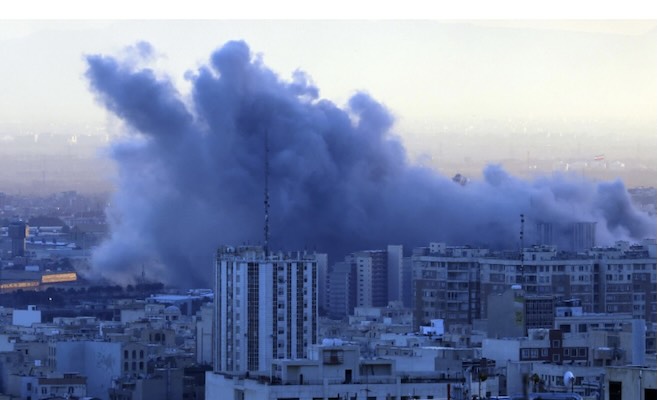
Recent large-scale strikes in early 2026 have only intensified these risks. Cyber incidents linked to Iran-aligned groups and rising concerns about retaliatory activity highlight how global conflict increasingly translates into domestic exposure.
For businesses and security leaders, this shift is critical. The line between international conflict and domestic risk is thinner than ever. Organizations must strengthen cyber defenses, monitor threat intelligence, and prepare for a broader spectrum of potential incidents—from digital disruption to ideologically motivated violence.
The takeaway to rising U.S. threats is clear: geopolitical awareness is now a core component of enterprise security strategy. What happens overseas can—and increasingly does—impact operations at home.
Reference (APA):
U.S. Department of Homeland Security. (2025). National Terrorism Advisory System Bulletin: Summary of the threat to the United States.
#SecurityThreats #CyberSecurity #RiskManagement #HomelandSecurity #ThreatIntelligence #BusinessContinuity #NationalSecurity #CorporateSecurity #Geopolitics #2026Trends