

To Increase Security, Invest in Inclusion
Frank Costa, President NEXGEN Protection Services —
A core principle of buy-in strategies is simple: when people feel personally invested in an activity, they are more likely to want to see it succeed. However, many organizations fail to make frontline employees feel that their involvement is vital to the success or failure of the company. One effective way to foster this sense of ownership is by creating an inclusive workplace.
“When people feel cared for in the workplace, that sense of care often extends to their attitudes toward coworkers, customers, and leadership.”
From a security standpoint, this means involving employees in shaping security policies, procedures, and changes. It’s essential to gather input directly from those on the frontlines to ensure that security measures align with the needs of both employees and customers. Addressing their concerns and questions helps strengthen overall security efforts.
Building connections, trust, and inclusivity can yield substantial benefits for security. “It doesn’t take much to lose trust, but if leaders can foster it and create an environment of psychological safety, that trust can spread throughout the organization.”
Source:
Meyer, C. (July 3, 2025). To Increase Security, Invest in Inclusion. Security Management Magazine.

Well-Written Incident Reports: An Essential Element of Effective Public-Private Partnerships
Frank Costa, President NEXGEN Protection Services —
Receiving well-written, complete, and timely incident reports from private security partners is a critical aspect of any case. While verbal witness statements can be helpful, they do not provide the level of detail that investigators need to understand the full scope of a case.
In recent years, there has been growing emphasis on the importance of effective partnerships between private security and public law enforcement. As the demands on law enforcement increase alongside recruiting challenges and shrinking budgets, private security will inevitably take on more responsibilities traditionally handled by public agencies.
With law enforcement struggling to meet the rising demand for their services and facing a shortage of new officers, the burden of safety and security falls increasingly on private security personnel. This shift means that private security must excel in all aspects of their role. One core requirement is proficiency in writing comprehensive and factual Case Incident Reports (CIRs).
Furthermore, the ability of private security officers to write clear and effective reports becomes especially crucial when facing legal challenges. In the eyes of the court, if an event isn’t documented, it essentially didn’t happen.
Source:
Conley, T. (January 20, 2025). Well-Written Incident Reports Are an Essential Element of Effective Public-Private Partnerships. Security Management Magazine.
Lighting Standards for Parking Facilities
Frank Costa, President of NEXGEN Protection Services:
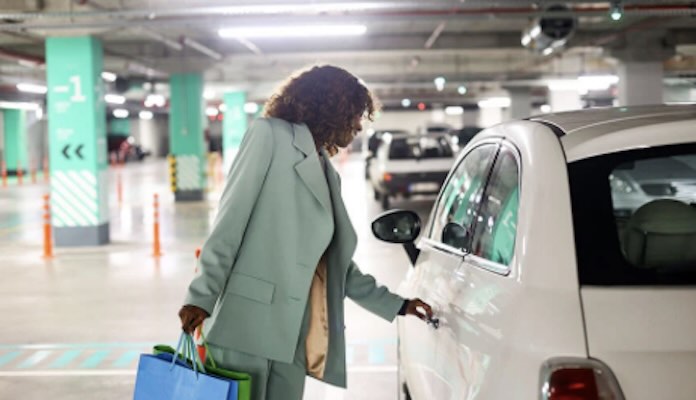
While there have been several advancements in technology that can improve a facility’s physical security, simple and cost-efficient lighting upgrades can make a significant impact. Effective lighting in parking facilities can deter trespassers, reveal tripping hazards, and make properties feel safer.
For any owner or operator of a parking area, it’s important to understand the relevant lighting requirements. Although building codes can vary across jurisdictions and regions, at least two organizations have provided standards that all parking facilities can meet to help increase safety and security for users and staff as a baseline.
Parking structures. These areas are difficult to light since there are few vertical elements to reflect light or provide contrast to moving objects. In some municipalities, building codes require a bright white horizontal stripe on walls, at waist height, to improve contrast. The lack of ceiling clearance restricts the height of luminaires and requires the fixtures to spread the light horizontally. This is excellent for lighting vertical surfaces; however, if video cameras are used, the luminaire design should be selected to reduce glare at the camera lens. A horizontal illuminance level of 5 footcandles with a uniformity ratio of 4:1 provides an adequate level of security.
Open parking. The height of luminaires is less restricted in open than in covered parking unless local codes and light trespass become factors. The higher light sources tend to provide horizontal illumination. Energy conservative, high-pressure sodium lighting has high efficiency, high lumens per watt, and is cost-effective for open parking. Recommended light levels range from a minimum of 0.2 footcandles in low-activity general parking and pedestrian areas to 2 footcandles in high-activity vehicle areas. Cash collection and vehicular access control areas should be maintained at a minimum of 5 footcandles.
Source:
Mosqueda, S. (January 13, 2025). Lighting Standards for Parking Facilities. Security Management Magazine.