
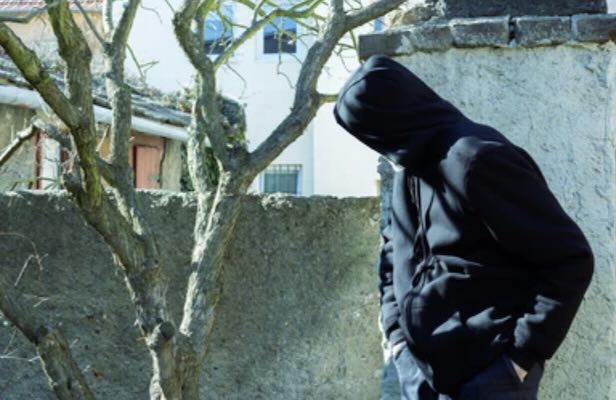
From Vigilance to Action: Identifying Suspicious Behavior and Guarding Against Active Assailants
By Frank Costa, President, Nexgen Protection Services
In an age where threats can emerge suddenly and without warning, the ability to spot suspicious behavior and respond to active assailant situations is a critical skill for security professionals and frontline staff alike.
Early detection is often the key to prevention. Suspicious behavior doesn’t always look overtly threatening—it may come in the form of nervousness, loitering without purpose, unusual attire for the environment, or evasive behavior around surveillance or entry points. Recognizing these cues requires trained observation skills, situational awareness, and consistent engagement with the environment.
But identifying a potential threat is only half the equation.
Preparedness is protection.
Guarding against active assailants means having clearly defined emergency protocols, real-time communication channels, lockdown procedures, and trained personnel ready to act. Regular drills, access control systems, and coordinated response plans with local law enforcement can make all the difference when seconds count.
Security teams must operate not just as responders, but as preventers—observing, assessing, and de-escalating situations before they evolve into critical incidents.
#SituationalAwareness #SuspiciousBehavior #ActiveAssailantResponse #SecurityTraining #ThreatDetection #PhysicalSecurity #EmergencyPreparedness #WorkplaceSafety #SecurityAwareness #SecurityProfessionals #PreventAndProtect #CrisisReadiness #SecurityLeadership #VigilanceMatters
Source:
DHS Cybersecurity and Infrastructure Security Agency Releases Soft Target and Crowded Places Resource Guide (April 25, 1019). Security Magazine.

Staying Resilient: How Businesses Can Maintain Operations During Social Unrest
By Frank Costa, President, Nexgen Protection Services
Social Unrest
In an era of increasing civil demonstrations and social unrest, businesses face a growing challenge: how to maintain continuity, protect people and assets, and operate safely in the face of unpredictable disruptions.
Business continuity during unrest isn’t just about crisis management—it’s about resilience.
To remain operational, companies must take a proactive, strategic approach that blends security planning, communication, and operational flexibility. This includes:
- Risk Assessment & Scenario Planning
Identify potential threats based on geography, political climate, and past events. Build plans tailored to specific locations and likely disruption scenarios. - Security Enhancements
Implement visible and non-visible security measures—like reinforced entry points, CCTV systems, and trained guard personnel—designed to deter threats and protect assets without escalating tension. - Real-Time Communication Protocols
Ensure all staff are equipped with clear communication channels and know-how to respond during incidents. Coordination with law enforcement and security teams is key to informed decision-making. - Flexible Operations
Be prepared to adapt hours, change access points, or shift to remote work temporarily. Business continuity is about adapting, not just enduring. - Employee Safety & Support
Above all, protect your people. A solid continuity plan considers mental health, safe transportation, and contingency roles so staff are supported, not endangered.
Businesses that prepare today can avoid disruption tomorrow—staying secure, productive, and trusted, even during turbulent times.
#BusinessContinuity #CrisisManagement #SocialUnrest #OperationalResilience #SecurityPlanning #EmergencyPreparedness #RiskMitigation #WorkplaceSafety #ContinuityPlanning #CorporateSecurity #SecureOperations #CrisisResponse #BusinessSecurity #SecurityStrategy #ProtectYourPeople
Source:
Skule, J. Ensuring business continuity amid social unrest and demonstrations. (January 19, 2021). Security Magazine.
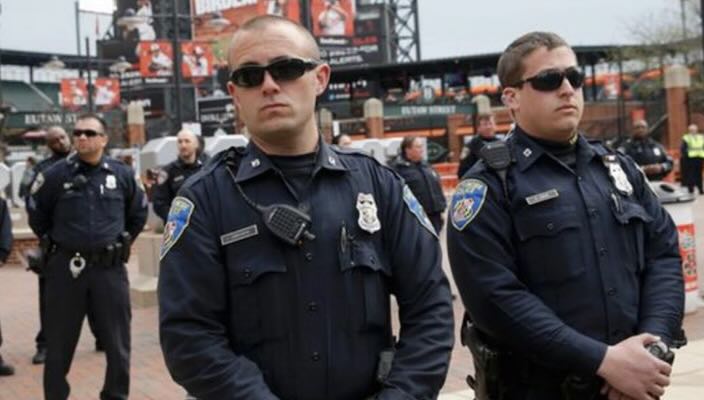
Shields Up: Strategic Security Tactics to Protect Businesses During Civil Unrest
By Frank Costa, President, Nexgen Protection Services
Strategic Security
In times of civil unrest or riots, businesses face a unique set of threats that go beyond typical day-to-day security concerns. Property damage, looting, and threats to personnel safety can escalate quickly—and without the right security strategy in place, the consequences can be devastating.
Preparedness is everything. The most effective way to safeguard a business during riots is through proactive, layered security planning that includes a mix of physical deterrents, trained personnel, and technology.
- Perimeter Hardening:
Install reinforced doors, shatterproof windows, and physical barriers to limit unauthorized access and delay intrusions. - Visibility and Presence:
A visible uniformed guard presence can act as a strong deterrent. Trained security officers who understand de-escalation and crowd dynamics can make the difference between a peaceful situation and a dangerous one. - Surveillance and Intelligence:
Real-time video monitoring and social media intelligence allow security teams to track crowd movements, identify risks early, and alert decision-makers before situations escalate. - Emergency Protocols and Communication:
Businesses should have clear evacuation plans, lockdown procedures, and direct communication channels between guards, management, and law enforcement. Rapid, coordinated response saves lives and assets. - Staff Training and Awareness:
Employees should be briefed on safety procedures and how to respond during unrest. Internal communication systems must stay active to keep teams informed and secure.
While no strategy can guarantee complete protection during civil unrest, a comprehensive and proactive a strategic security plan can minimize risk, protect people, and reduce the financial impact of disruptions.
#BusinessSecurity #RiotPreparedness #SecurityTactics #CivilUnrest #EmergencyPlanning #CrisisResponse #SecurityGuards #LossPrevention #SituationalAwareness #SecurityOperations #CommercialSecurity #WorkplaceSafety #PropertyProtection #SecurityStrategy #PhysicalSecurity
Source:
Morrison, M. Security tactics for protecting businesses during riots. (December 11, 2020). Security Magazine.