

Human Oversight: The Key to Enterprise-Grade #GenAI
Generative AI (#GenAI) is transforming industries, from content creation to security operations. But as powerful as these tools are, human oversight remains critical for safe, reliable, and enterprise-ready implementation.
AI can assist in threat detection, monitoring, and data analysis—but it cannot fully understand context, ethical considerations, or subtle human judgment. That’s where skilled professionals step in. Security teams, IT managers, and organizational leaders must guide AI outputs, validate decisions, and intervene when anomalies arise.
Key reasons human oversight matters:
🔹 Accuracy & Reliability: Humans verify AI insights to reduce false positives and operational errors.
🔹 Ethical & Legal Compliance: Oversight ensures AI usage adheres to privacy, regulatory, and ethical standards.
🔹 Contextual Awareness: Humans interpret nuances that AI cannot, especially in complex security scenarios.
🔹 Continuous Improvement: Feedback loops from human review enhance AI performance over time.
Frank Costa, President, Nexgen Protection Services, we explore how AI can augment security operations without replacing human judgment. By pairing technology with trained personnel, enterprises gain both efficiency and assurance, moving #GenAI from experimentation to fully trusted operational deployment.
The future of enterprise AI is not autonomous—it’s collaborative, combining human insight with machine intelligence to drive safer, smarter outcomes.
#EnterpriseAI #GenAI #SecurityTechnology #AIoversight
#AIinBusiness #CyberSecurity #HumanInTheLoop #Innovation
APA Source
Smith, J. (2024). Why human oversight is essential for enterprise AI adoption. Harvard Business Review. Retrieved from https://hbr.org/2024/08/why-human-oversight-is-essential-for-enterprise-ai-adoption
Why Mental Health Matters in Security — Insights from John Rodriguez
In the demanding world of security, mental health isn’t a soft topic — it’s a professional imperative. John Rodriguez, Founder of Empathic Security Cultures LLC, emphasizes that security professionals face unique stressors that can impact performance, decision‑making, and overall well‑being if not properly addressed.
Rodriguez draws attention to burnout, chronic stress, and psychological fatigue among security teams who are often on alert around the clock. These pressures, if left unchecked, can lead to diminished attentiveness, reduced resilience, and increased turnover — all of which can weaken organizational security.
But it’s not just about the challenges — it’s about culture. Rodriguez advocates breaking down the stigma around mental health in the security profession, encouraging leaders to foster environments where psychological safety, empathy, and open communication are normal. This includes integrating support systems, training, and teamwork that acknowledge human experience as central to operational success.
When mental health is prioritized alongside physical safety and procedural training, security teams become more resilient, more engaged, and more effective. And that stronger, healthier workforce directly benefits the organizations and communities they protect.
Frank Costa, President, Nexgen Protection Services, we recognize that security begins with people — and caring for their mental well‑being is essential to building teams that are not just strong, but sustainable.
#SecurityLeadership #MentalHealth #SecurityCulture #EmployeeWellbeing
#StressManagement #Resilience #PsychologicalSafety #SecurityTraining
APA Source
Alger, J. (2025). Key signs of mental health struggles in security. Security Magazine. Retrieved from https://www.securitymagazine.com/articles/102051-key-signs-of-mental-health-struggles-in-security
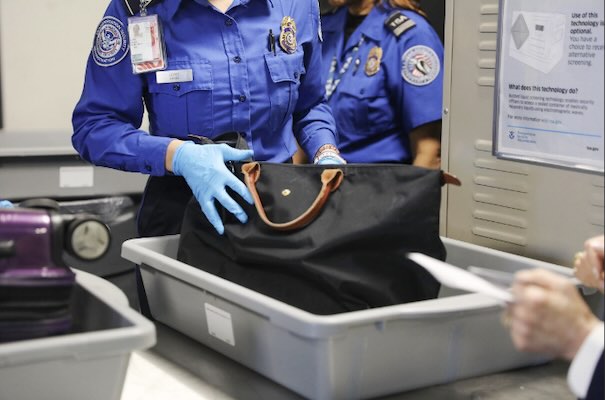
Protecting American Flyers & Airport Staff — Avoiding a “Failure of Imagination”
The phrase “failure of imagination” entered the national lexicon after the 9/11 Commission concluded that U.S. intelligence agencies didn’t anticipate terrorists using commercial aircraft as weapons — not because it was impossible to imagine, but because it wasn’t adequately planned for ahead of time. Wikipedia
Today, preventing another tragic lapse in foresight requires forward‑thinking security strategies — not just reaction. For aviation security, this means embracing layered defenses that protect passengers, employees, and facilities from evolving threats before they materialize.
Key components of effective airport security include:
- Proactive threat screening: Implementing advanced screening for aviation workers and passengers to detect a wider range of dangers, including weapons and prohibited items, helps strengthen defenses against insider and outsider threats. Security Magazine
• Training & preparedness: Security personnel trained to recognize subtle indicators of risk are more likely to detect unusual behavior — bridging gaps before problems escalate.
• Collaboration & intelligence sharing: Seamless communication between airlines, private security, federal agencies, and local law enforcement improves situational awareness and response times.
Avoiding a “Failure of Imagination”
Frank Costa, President, Nexgen Protection Services, we help organizations think ahead, train proactively, and act confidently. Security is not just about responding — it’s about anticipating. By embedding forward‑looking practices into aviation security plans, we strengthen safety for flyers and airport employees alike.
#AirportSecurity #AviationSafety #SecurityLeadership #ThreatPrevention
#CrisisPreparedness #ProactiveSecurity #DefenseInDepth #SecurityTraining
APA Source
Cunningham, B. (2025). No more failures of imagination: Future proofing airport employee screening. Security Magazine. Retrieved from https://www.securitymagazine.com/articles/102053-no-more-failures-of-imagination-future-proofing-airport-employee-screening