

Why Loss Prevention Investigations Matter in Retail
Loss prevention investigations are more than reacting to incidents—they are a critical, skill-driven part of a comprehensive retail security strategy. When losses occur, investigations help uncover why they happened, how they occurred, and what can be done to prevent them in the future.
Effective investigations go beyond identifying theft. They analyze patterns, processes, and vulnerabilities that contribute to shrink. This insight allows retailers to implement targeted solutions, strengthen procedures, and improve overall operational efficiency.
Frank Costa, President, Nexgen Protection Services, trained security professionals support loss prevention investigations by:
-
Observing and documenting suspicious activity
-
Preserving accurate incident details
-
Supporting internal LP teams with professional reporting
-
Helping identify trends that lead to repeat losses
When done correctly, investigations protect more than inventory—they support business improvement, staff accountability, and safer retail environments. Each investigation is an opportunity to learn, adapt, and strengthen prevention strategies.
Retailers who invest in skilled loss prevention investigations are better equipped to reduce shrink, protect assets, and make informed decisions that drive long-term success.
#LossPrevention #RetailSecurity #AssetProtection #ShrinkReduction
#SecurityServices #RetailSafety #LossPreventionInvestigations
APA Source

Small Thefts. Big Impact.
In retail, it’s easy to underestimate thefts involving items under $50. Individually, they may seem minor—but when these incidents happen daily, the losses quietly compound into thousands of dollars each year.
This type of shrink is often the hardest to spot because it blends into normal operations. Over time, it erodes margins, affects inventory accuracy, and places unnecessary pressure on pricing and staffing.
The solution starts with training.
When staff are trained to recognize early signs of low-value theft—such as concealment, repeated visits, or product switching—they can take proactive, non-confrontational steps to deter loss before it grows. Simple actions like customer engagement, visibility, and timely communication with security make a measurable difference.
Frank Costa, President, Nexgen Protection Services, “we emphasize that effective loss prevention isn’t just about stopping major incidents—it’s about closing the small leaks that drain profits over time. Trained staff, supported by professional security, create a safer store and stronger bottom line.”
Stopping theft early protects more than merchandise—it protects long-term profitability.
#LossPrevention #RetailSecurity #ShrinkReduction #AssetProtection
#RetailSafety #SecurityTraining #StoreSecurity #TheftPrevention
APA Source
National Retail Federation. (2023). National Retail Security Survey. National Retail Federation.
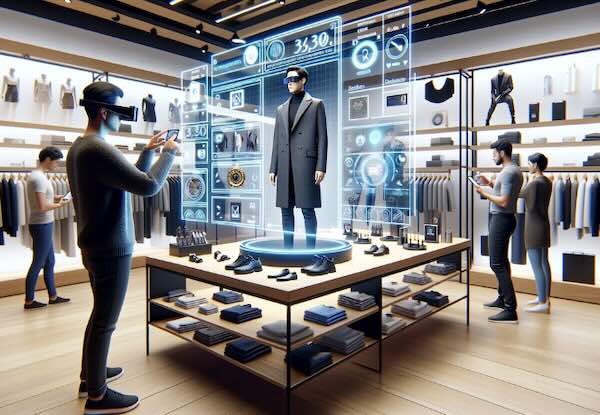
The Growing Role of Virtual Reality in Retail Security & Training
Virtual reality (VR) is gaining momentum in retail security—not just for immersive customer experiences, but also for employee training and loss prevention. VR allows staff and security teams to practice real-world scenarios in a controlled, risk-free environment, improving awareness, decision-making, and response times.
For loss prevention, VR training can simulate:
• Suspicious behavior recognition
• Proper intervention techniques
• Communication between staff and security
• De-escalation in high-stress situations
This hands-on approach helps employees learn faster and retain skills more effectively than traditional classroom methods.
However, despite its potential, widespread adoption remains limited. High implementation costs, scalability challenges, and varying levels of industry readiness mean VR is still an emerging tool rather than a standard solution across retail environments.
Frank Costa, President, Nexgen Protection Services, we closely track innovations like VR while continuing to deliver proven, practical loss prevention training that works today. As technology evolves, blending advanced tools with experienced security professionals will be key to reducing shrink and improving safety.
The future of retail security lies in smart training, adaptive strategies, and collaboration between people and technology.
#RetailSecurity #LossPrevention #SecurityTraining #RetailInnovation
#VirtualReality #AssetProtection #RetailSafety #FutureOfRetail
APA Source
PwC. (2022). Seeing is believing: How virtual reality and augmented reality are transforming business. PricewaterhouseCoopers.