

When a child goes missing, every second counts—
When a child goes missing, every second counts—and understanding how they were taken can shape how we respond.
Frank Costa, President, Nexgen Protection Services
In “Understanding the Three Types of Abductions” published by Pursuit Magazine, abductions are categorized into three primary types:
- Family Abductions – Often tied to custody disputes, these cases may appear less urgent but can escalate quickly, especially when there is a history of domestic violence.
- Acquaintance Abductions – The child knows the offender (coach, neighbor, online contact). These cases require rapid relational mapping and digital footprint analysis.
- Stranger Abductions – Statistically rare but high-risk. These demand immediate multi-agency coordination, media activation, and geographic profiling.
Understanding these distinctions is not academic—it’s operational.
Strategic Support for Law Enforcement (LE):
- Family Abductions: Prioritize custody documentation, prior threats, financial tracing, and border alerts. Early court coordination is key.
• Acquaintance Abductions: Deploy victimology analysis, social network mapping, and device forensics immediately. Time-sensitive digital evidence often breaks these cases.
• Stranger Abductions: Launch rapid response protocols—AMBER Alerts, surveillance canvassing, vehicle data analysis, and behavioral profiling.
Cross-sector collaboration (NGOs, digital platforms, advocacy groups) enhances speed and intelligence flow in all three categories.
The takeaway? Categorization drives strategy. Strategy drives recovery.
The more precisely we understand the type of abduction, the more effectively we can align investigative resources—and bring someone home.
Reference (APA 7th ed.)
Pursuit Magazine. (n.d.). Understanding the three types of abductions. https://www.pursuitmag.com/
#MissingPersons #ChildSafety #LawEnforcement #PublicSafety #Investigations #AMBERAlert #CrisisResponse #ForensicLeadership
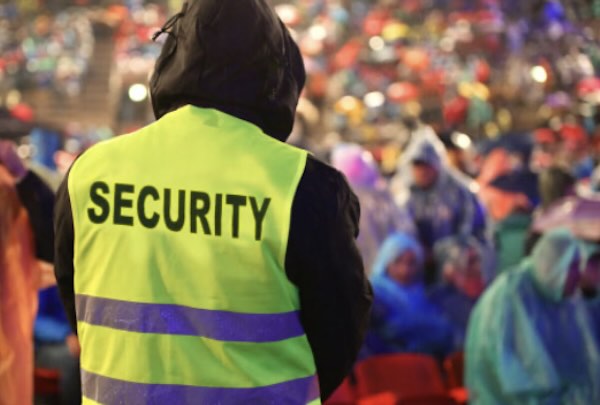
Safe and Successful Festivals
Frank Costa, President, Nexgen Protection Services on safe protection —
A large, multi-day cultural festival welcomed tens of thousands of attendees for live music, food, and community experiences. With high crowd density and extended event hours, organizers partnered with protection services to ensure a safe, well-managed, and enjoyable environment for all guests.
Protection services were integrated into event planning from the outset. Crowd flow management strategies were designed to reduce congestion at entrances, stages, and high-traffic areas. Officers and event staff worked together to guide foot traffic, maintain clear emergency lanes, and adjust layouts in real time as crowd volumes shifted.
Protection services also coordinated closely with first-aid teams, emergency medical services, and local authorities. Medical response points were clearly marked, and officers were trained to identify signs of distress, enabling rapid assistance during heat-related incidents or minor injuries. This coordination ensured swift care without disrupting performances or guest experience.
A key focus was proactive communication with festivalgoers. Protection officers engaged guests through friendly interactions, provided directions and assistance, and shared safety information when needed. This approachable presence encouraged cooperation and early reporting of concerns, helping prevent issues before they escalated.
The festival concluded with record attendance and very low rates of serious injury or crime. Attendee feedback highlighted feeling safe, supported, and well-informed throughout the event, while organizers praised the seamless integration of protection services into festival operations.
Results:
- High attendance with minimal safety incidents
- Efficient crowd movement and emergency access
- Rapid medical response and issue resolution
- Positive guest experience maintained
Key takeaway:
When protection services prioritize planning, communication, and collaboration, large festivals can deliver memorable experiences in safe, welcoming environments.
#EventSecurity #FestivalSafety #PublicSafety #CrowdManagement #ProtectiveServices #RiskManagement #CommunityEvents #SecurityLeadership

Seamless Coordination at Major Sporting Events
Frank Costa, President, Nexgen Protection Services on seamless protection —
A host city preparing for a major international sporting event faced the challenge of welcoming hundreds of thousands of fans while maintaining the highest safety standards. Protection services played a central role in a multi-layered security operation designed to protect attendees, athletes, and staff without disrupting the fan experience.
Planning began months in advance and involved close coordination between local law enforcement, federal partners, private security teams, emergency services, and event organizers. Roles and responsibilities were clearly defined, ensuring rapid decision-making and unified response during the event. Intelligence sharing and real-time communication centers allowed teams to identify and address potential risks before they escalated.
Advanced surveillance systems were deployed across venues, transit hubs, and fan zones, providing situational awareness and supporting proactive monitoring. Crowd management teams focused on safe entry and exit flows, preventing congestion and ensuring accessibility for all guests. Officers were trained to combine visible presence with approachability, assisting fans while maintaining strong deterrence.
Throughout the event, protection services successfully managed large crowd movements, responded quickly to medical incidents, and resolved minor issues before they impacted operations. The event concluded without major security incidents, drawing praise from organizers, public agencies, and attendees.
Results:
- Millions of fans attended safely
- No major security incidents reported
- Efficient crowd flow and emergency response
- Strong collaboration across agencies
Key takeaway:
Seamless coordination, intelligence-led planning, and professional protection services are critical to delivering safe, world-class sporting events—where security enhances, rather than overshadows, the experience.
#EventSecurity #PublicSafety #MajorEvents #CrowdManagement #SecurityLeadership #ProtectiveServices #RiskManagement #InteragencyCooperation