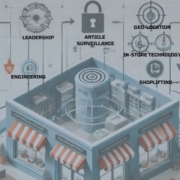
Tech-Driven-Solutions-Are-Transforming-Retail-Loss-Preventio

Tech-Driven Solutions Are Transforming Retail Loss Prevention

By Frank Costa, President, Nexgen Protection Services

Shrinkage isn’t just a back-office problem—it’s a bottom-line killer. Whether you’re running a nationwide retail chain or a single storefront, inventory loss is eating away at profits and productivity. And in today’s fast-paced, tech-savvy world, it’s time for loss prevention strategies to evolve.

Retail Shrink: A Hidden Threat with Visible Impact
Retail shrink—when your inventory records don’t match what’s actually on the shelves—is a problem that costs retailers billions each year. While theft, both external (shoplifting) and internal (employee theft), accounts for a staggering 65–70% of that loss in some sectors, it’s not the whole story. Clerical errors, vendor fraud, and process gaps can all silently chip away at margins.

The key to stopping shrink isn’t just identifying where it’s happening—it’s about proactively building smarter systems and embracing change across your entire organization.

Top Drivers of Shrinkage
Here’s where most of the losses occur:

  • Shoplifting: Still the most common form of loss, increasingly bold and organized.
  • Clerical Errors: Simple mistakes in tracking, receiving, or recording inventory.
  • Fraud: Includes return fraud, vendor scams, and even digital fraud via online platforms.

How to Make Change Management Work in Loss Prevention

Technology alone won’t fix shrinkage. Success lies at the intersection of smart tools and strong change management. Here’s how to bring your entire team on board and make it stick:

  1. Educate the Entire Organization—Early and Often
    Everyone plays a role in loss prevention. From cashiers to warehouse staff, consistent and ongoing training creates a culture of awareness and accountability.
  2. Define Key Stakeholders
    Clearly identify who’s responsible for what. When leaders in operations, IT, and asset protection collaborate, loss prevention becomes a shared mission—not a siloed one.
  3. Plan to Integrate Solutions
    Don’t let technology become a tangled mess. Plan for how your various tools—like surveillance, RFID, POS analytics—will work together to give you a full picture.
  4. Measure Success and Celebrate It
    Track improvements, share results, and recognize wins. When teams see their efforts making an impact, it fuels motivation and deeper engagement.

Final Thought
Retail shrink isn’t inevitable. With the right combination of innovative tech and effective organizational change, loss prevention can shift from reactive damage control to proactive protection.

#RetailSecurity #LossPrevention #ShrinkageSolutions #ChangeManagement #RetailTech #AssetProtection

Source:
Simplifying transformation in retail safety and security. (2024, November 4) https://www.auror.co.


Ten-Smart-Retail-Loss-Prevention-Strategies-That-Actually-Work

Ten Smart Retail Loss Prevention Strategies That Actually Work

By Frank Costa, President, Nexgen Protection Services

In retail, every item that walks out the door unpaid is more than just a loss—it’s a missed opportunity and a hit to your bottom line. Whether it’s due to shoplifting, employee theft, or simple human error, shrinkage can quietly erode your profits if you’re not actively combating it.

Thankfully, retail loss prevention strategies have evolved well beyond the old-school security tag. Today’s smart retailers are combining classic tactics with cutting-edge technology to stop theft before it starts. Whether you’re running a boutique or managing a multi-store operation, here are 10 proven strategies to help you safeguard your inventory and keep your profits intact.

1. Embrace RFID Technology

Radio-frequency identification (RFID) lets you track items in real time, offering better visibility into your stock and faster responses to potential theft.

2. Design Your Store with Security in Mind

Strategically arrange displays and fixtures to eliminate blind spots and improve sightlines—both for your staff and your cameras.

3. Upgrade to Smart Surveillance

Modern surveillance systems use AI and analytics to detect suspicious behavior and alert your team in real time to mitigate loss prevention.

4. Train Your Team to Spot Red Flags

Regular employee training sessions build awareness and help your staff recognize the subtle signs of theft or fraud.

5. Use a Fraud-Savvy POS System

Today’s point-of-sale systems can do more than ring up sales—they can flag suspicious transactions and deter internal theft.

6. Deploy Smart Shelving Solutions

Shelves equipped with sensors or weight detection can alert staff if items are removed unexpectedly, providing a proactive layer of security.

7. Keep an Eye on Your Data

Sales data is a goldmine. Analyzing it for unusual patterns can help identify retail loss prevention issues before they spiral out of control.

8. Lock Down Cash Handling Procedures

Tight controls over how cash is managed—from drawer counts to deposits—reduce the chances of skimming or internal fraud.

9. Run Regular Audits

Periodic reviews of your inventory and financial records ensure nothing slips through the cracks—and let employees know you’re paying attention.

10. Leverage Loss Prevention Software

Specialized software can help identify vulnerabilities, track trends, and optimize your retail loss prevention strategy over time.

Your business might not have a full-time loss prevention team, but that doesn’t mean you’re unarmed. By implementing smart, strategic solutions, you can dramatically reduce shrink and build a stronger, more secure operation.

#RetailSecurity #LossPrevention #ShrinkReduction #SmartRetail #InventoryManagement #RetailSuccess #RetailTech #POSSecurity #RetailTips #RetailStrategy

Source:
Parker, J. 10 Effective Retail Loss Prevention Strategies for Success. (May 20, 2024). fishbowlinventory.com.


How to Succeed with Loss Prevention Analytics

How to Succeed with Loss Prevention Analytics

Although analytics won’t solve every shrink problem, the P3 framework helps LP professionals zero in on the root causes of loss and take proactive steps to protect profits and reduce risk.


The role of Loss Prevention (LP) and Asset Protection (AP) has transformed significantly over the past decade. No longer confined to catching shoplifters, today’s LP professionals are responsible for a wide range of critical business functions—from inventory accuracy and compliance to store safety and operational efficiency.

Data: The New Front Line in Loss Prevention

The future of our industry lies in data. A single data-savvy LP analyst can now identify and address leading indicators of loss across dozens—or even hundreds—of stores, without ever stepping foot on-site. This remote, analytics-driven approach can generate results that rival or surpass the impact of traditional field-based LP teams, all while saving costs on travel and staffing.

Instead of focusing solely on apprehensions, the modern LP analyst focuses on prevention by detecting patterns, anomalies, and high-risk behaviors buried in store data. This shift allows companies to proactively reduce shrink, enhance profit margins, and mitigate liability—before losses occur.

The P3 Pyramid: A Framework for Analytics Success

When it comes to investigating shrink, operational breakdowns, or profit-and-loss issues, LP teams need more than just access to data—they need a strategy. The P3 Pyramid offers a clear framework, built on three foundational pillars:


  1. Process
    LP teams must first define consistent, repeatable processes for collecting, interpreting, and acting on data. From exception reporting to transaction analysis, having the right workflows in place ensures that insights lead to action.
  2. Protocol
    Protocols are the rules that guide decision-making and escalation. Once an issue is flagged through data, LP professionals need clear guidelines on how to respond, who to notify, and what steps to take to resolve the problem or prevent its recurrence.
  3. Platform
    The technology behind your analytics matters. LP teams must work closely with IT and business intelligence to ensure they’re using the right tools—capable of integrating multiple data sources, visualizing trends, and delivering real-time insights.


Final Thoughts

Success in modern loss prevention doesn’t come from being everywhere at once—it comes from knowing where to look, what to look for, and how to act on it. With the right combination of people, process, protocol, and platform, LP teams can turn data into a powerful tool for preventing loss and driving performance across the business.


Source:
Seidler, K. (August 17, 2016). How to Succeed with Loss Prevention Analytics. Loss Prevention Magazine.

Hashtags:
#ProtectionServices #SecurityStandards #PublicSafety #MobileSecurity #SecurityThreats


For cargo loss prevention to be effective, it must be grounded in a comprehensive understanding of where losses originate.

Cargo Loss Prevention Starts with Business Unit Alignment

By Frank Costa, President, Nexgen Protection Services

Effective cargo loss prevention begins with a strategic, business-aligned approach. Before any control measures can be put in place, companies must conduct a shortage control sufficiency review—a structured process that starts by identifying all areas where the business is exposed to potential shrink.

Step One: Identify Shrink Exposure

The foundation of any loss prevention strategy is understanding where and how losses are likely to occur. In this context, exposure refers to any area, process, practice, or condition that either contributes to ongoing loss or presents a high likelihood of future loss. These exposures can’t be addressed until they are clearly identified.

Loss prevention professionals must begin by analyzing the unique risk landscape of the business. Only with a full understanding of where shrink occurs can appropriate shortage control measures be designed and deployed to mitigate or eliminate it.

The Three Categories of Exposure

Shrink exposure in cargo operations typically falls into three main categories:

  1. Operational Exposure
    These are losses tied to day-to-day business processes and procedures. Examples may include miscounts during loading or unloading, mislabeling, incorrect documentation, or delays that create vulnerability during transit.
  2. Administrative Exposure
    This category includes systemic issues such as poor recordkeeping, inadequate oversight, lack of accountability, or policy gaps. Administrative weaknesses can create loopholes that are easily exploited—either accidentally or intentionally.
  3. Physical Exposure
    This refers to the environmental or infrastructure-based conditions that can lead to loss. It might involve unsecured loading docks, lack of surveillance, or poor access control at warehouses and transit points.

The Interconnected Nature of Exposure

It’s important to recognize that these three exposure categories are interrelated. A change in one area—such as improving a physical control like gated access—can have a ripple effect on operational or administrative practices. This symbiotic relationship requires a holistic, cross-functional approach, where departments align to assess impact and adjust strategies accordingly.

Conclusion: Build on Alignment

For cargo loss prevention to be effective, it must be grounded in a comprehensive understanding of where losses originate. That understanding starts with alignment—among business units, departments, and leadership—around exposure identification and control priorities. Once these areas of vulnerability are known, meaningful and measurable control efforts can be deployed to reduce loss and strengthen supply chain integrity.

Source:
Seidler, K. (September 12, 2016). Cargo Loss Prevention Starts with Business Unit Alignment. Loss Prevention Magazine.

Hashtags:
#ProtectionServices #SecurityStandards #PublicSafety #MobileSecurity #SecurityThreats


Creating a Grocery Loss Prevention Strategy

Creating a Grocery Loss Prevention Strategy

By Frank Costa, President, Nexgen Protection Services

Effective loss prevention in the grocery sector goes beyond deterring theft—it requires a comprehensive, data-driven strategy that minimizes shrink across all areas of the business. As grocery stores face unique challenges such as perishable inventory, high transaction volume, and broad employee access, a tailored approach is essential. Below are nine key components of a successful grocery loss prevention strategy.

1. Minimize Perishable Food Waste

In grocery, loss prevention starts with managing perishables. Spoilage and product expiration account for a significant portion of shrink. Investing in better forecasting, rotation practices, and inventory controls can greatly reduce waste and improve margins.

2. Identify External Theft and Fraud

While spoilage leads shrink, external theft and fraud are still major concerns. From organized retail crime to small-scale shoplifting and fraudulent returns, grocers must implement physical deterrents, surveillance, and digital tools that help detect and respond to these losses in real time.

3. Detect Internal Theft and Fraud Early

Employee theft is an unfortunate reality in any retail environment—including grocery. Early detection through exception reporting, transaction monitoring, and access control systems can minimize financial impact and help protect store culture.

4. Adopt a Cross-Functional Mindset

Loss prevention cannot operate in a silo. LP leaders are uniquely positioned to partner with merchandising, store operations, supply chain, finance, marketing, and HR. Sharing insights across departments helps embed a loss prevention mindset throughout the organization, making loss reduction a shared responsibility.

5. Become a Hub for Operational Insights

By integrating multiple data feeds—POS transactions, video analytics, inventory tracking—LP teams gain a comprehensive view of customer behavior and operational vulnerabilities. Sharing these insights with peers in operations and finance builds credibility, encourages collaboration, and positions LP as a strategic business partner.

6. Balance Loss Prevention with Customer Experience

Security solutions should protect inventory without compromising the customer experience. While locked display cases may deter theft, they can frustrate shoppers and impact sales. The best strategies are those that strike a balance—designed in partnership with merchandising and operations to be effective yet minimally disruptive.

7. Refine Hiring, Training, and Awareness

A successful loss prevention program starts with people. Hire employees who align with company values, then train them well—not just on store operations, but on the importance of loss prevention. When staff understand the controls in place and their role in protecting the business, they are less likely to engage in fraud and more likely to actively support LP efforts.

8. Measure Success Holistically

To gain organizational support, LP must demonstrate value in both tangible and strategic terms. This includes identifying enterprise-wide issues, quantifying financial impact, setting goals, and tracking performance. From margin protection and shrink reduction to specific metrics like refunds, voids, or cash variances, success should be measured across the full spectrum of the P&L.

9. Continue to Refine

Loss prevention is an evolving discipline. As the grocery landscape shifts—due to new sales models, technology, or economic pressures—LP strategies must adapt. The most effective programs are agile, constantly testing new tools and refining techniques to stay ahead of emerging risks and protect profitability.

Final Thoughts

A modern grocery loss prevention program isn’t just about stopping theft—it’s about building a culture of awareness, leveraging data, and embedding security into every part of the operation. When done well, it not only protects the bottom line but enhances overall store performance and customer trust.


Source:
Seidler, K. (February 03, 2016). Walmart’s Neighborhood Market Loss Prevention and Safety Program Featured in the Latest Magazine Edition. Loss Prevention Magazine.

Hashtags:
#ProtectionServices #SecurityStandards #PublicSafety #MobileSecurity #SecurityThreats


Employees who attempt to stop or detain suspected shoplifters without proper training expose themselves and the business to significant risks

The Cost of Untrained Store Employees Stopping Shoplifters

By Frank Costa, President, Nexgen Protection Services

In many states—including New Jersey—retailers are legally permitted to detain suspected shoplifters. However, this authority comes with serious responsibility. If you’re a store owner, manager, or loss prevention officer, and your store has a policy allowing detention of shoplifters, it is critical to establish clear guidelines and provide proper training for all involved staff.

Why Training Matters

Employees who attempt to stop or detain suspected shoplifters without proper training expose themselves and the business to significant risks—including injury, legal liability, and reputational damage. To minimize these risks, staff must be trained on the following:

  • Establishing Probable Cause: Employees must understand what qualifies as probable cause or reasonable suspicion. Detaining someone without it can lead to legal claims against the business.
  • Non-Confrontational Approach: Any interaction with a suspected shoplifter must be calm, non-accusatory, and non-threatening. Staff should maintain a safe distance—at least six feet—to avoid physical altercations, especially if the suspect becomes violent.
  • No Chases: If a suspected shoplifter attempts to flee, employees should never pursue them. Chases can lead to serious injury or legal liability for both the employee and the business.
  • Handling Non-Compliance: If a suspect refuses to comply, employees should disengage immediately, allow the individual to leave, and notify law enforcement.

The Safer, Smarter Approach

If your company maintains a zero-tolerance policy on shoplifting, the safest and most effective solution is to hire off-duty police officers or licensed professional security personnel. These individuals are trained to handle confrontations and detentions lawfully and safely.

Allowing untrained store employees—or even loss prevention officers—to act as security personnel and use force is both reckless and irresponsible. No employee should ever be placed in a situation where they’re expected to physically confront a shoplifter.

Conclusion

The cost of having untrained staff engage with shoplifters can far outweigh the loss from stolen merchandise. Protect your team, your customers, and your business by implementing clear policies, prioritizing safety, and leaving physical enforcement to professionals.

Source:
Blaettler, J. (2025, January 27). The Cost of Untrained Store Employees Stopping Shoplifters. Loss Prevention Magazine.

Hashtags:
#ProtectionServices #SecurityStandards #PublicSafety #MobileSecurity #SecurityThreats


Enhancing Retail Security with a Holistic Loss Prevention Strategy

Enhancing Retail Security with a Holistic Loss Prevention Strategy

By Frank Costa, President, Nexgen Protection Services

A holistic loss prevention strategy combines cutting-edge technology with a strong culture of awareness and collaboration.

The Role of Technology in Proactive Loss Prevention

In today’s retail environment, adopting advanced technologies is essential to effective loss prevention. Modern tools such as AI-powered video monitoring systems do more than just record footage—they analyze live feeds in real time to detect suspicious behavior and potential security breaches. These intelligent systems can immediately alert loss prevention teams, allowing for rapid intervention before a theft occurs.

Radio Frequency Identification (RFID) technology is another key component, offering real-time visibility into inventory. By identifying discrepancies as they happen, RFID helps retailers respond quickly to potential losses, minimizing shrinkage and operational disruption.

Predictive analytics further strengthens this proactive approach. By analyzing historical data, retailers can forecast when and where theft is most likely to happen. This insight enables better resource allocation, allowing stores to bolster security during high-risk periods or in vulnerable areas. As a result, businesses not only reduce losses but also enhance overall store efficiency and the customer experience.

Engaging Staff and Strengthening Community Collaboration

A truly effective loss prevention strategy goes beyond technology—it involves people at every level. Engaging non-LP (Loss Prevention) staff is critical in creating a culture of security. Training employees to recognize and report suspicious behavior empowers them to play an active role in theft prevention.

Moreover, collaboration with other retailers, law enforcement, and community organizations can significantly enhance the effectiveness of loss prevention efforts. Sharing information about known offenders, common theft tactics, and emerging threats allows for a united, informed approach to combating retail crime.

Conclusion

By leveraging AI, RFID, and data analytics while actively engaging employees and the broader community, retailers can stay ahead of threats, reduce shrinkage, and create safer, more efficient retail environments.


Source:
Norton, S. (2025, September 09). Enhancing Retail Security with a Holistic Loss Prevention Strategy. Intersectgroup.net.

Hashtags:
#Metrics #ProtectionServices #SecurityStandards #PublicSafety #MobileSecurity #SecurityThreats


What is a Loss Control Program, And Do I Need One

What is a Loss Control Program, And Do I Need One?

By Frank Costa, President, Nexgen Protection Services

A loss control program is a coordinated set of actions or practices that help locate and address potential risks for a business. The program could evaluate losses from employee theft, financial difficulties from claims or lawsuits, and other risks. A tailored loss control program reduces risk and mitigates the extent of economic losses when unexpected incidents occur. 

How Do I Know If I Need a Loss Control Program?

Most businesses can benefit from a loss control program. The first step is to review your business’s risks. You have risks unique to your enterprise, along with a range of standard risks. Some common potential losses that many companies share include:

  • Product theft
  • Damaged inventory
  • Workplace injuries
  • Property damage
  • Online security threats
  • Client claims

Most businesses find that having a safety manual for employees is a practical part of a loss prevention program. Educating your staff makes them more likely to respond to emergencies correctly and confidently.


What is a Loss Control Program, And Do I Need One? (February 04, 2025). InsuranceNeighbor.com.

Hashtags:
#ProtectionServices #SecurityStandards #PublicSafety #MobileSecurity #SecurityThreats


Credential Harvesting: A Serious Threat to Your Organization’s Security and Privacy

Credential Harvesting: A Serious Threat to Your Organization’s Security and Privacy

By Frank Costa, President, Nexgen Protection Services

Credential harvesting is a serious threat to your organization’s online security and privacy. It can lead to identity theft, financial fraud, account takeover, and unauthorized access to confidential information—affecting both your employees and your users.

Social engineering and phishing attacks are commonly used to compromise retailers’ systems and gain access to sensitive data or credentials.

Cybercriminals employ various methods to obtain sensitive information, including bot fraud, phishing emails, fake websites, and social engineering techniques that exploit human vulnerabilities.

Credential harvesting attacks pose significant threats across various industries, especially in the financial services sector. These attacks can have devastating consequences, ranging from financial losses and reputational damage to costly regulatory penalties.

Source:
Meyer, C. (2025, March 12). Retail Cybercriminals Turn to Credential Harvesting. Security Magazine.

Hashtags:
#ProtectionServices #SecurityStandards #PublicSafety #MobileSecurity #SecurityThreats


The ROI of Security: Preventing Breaches Leads to Profit and Trust

The ROI of Security: Preventing Breaches Leads to Profit and Trust

By Frank Costa, President, Nexgen Protection Services

There are several ways to quantify security ROI, including cost savings from prevented breaches, regulatory compliance, and enhanced business continuity.

At its core, ROI is a financial metric that evaluates the profitability of an investment. In the context of security, ROI refers to the financial benefits gained from investing in security measures relative to the costs incurred. Calculating ROI can be complex in this context due to the intangible nature of many security benefits, such as risk mitigation and enhanced reputation.

Consumers are increasingly concerned about the security of their personal information. Businesses that prioritize security not only differentiate themselves from competitors but also build trust with customers. A strong security posture demonstrates a company’s commitment to protecting customer data, enhancing brand loyalty and attracting new customers.


Wood CPP, P. (March 17, 2025). How to Measure Your Security and Resilience ROI. Security Management.

Hashtags:
#ProtectionServices #SecurityStandards #PublicSafety #MobileSecurity #SecurityThreats