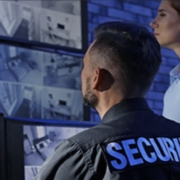

Retail Theft: Electronics Remain Among The Most Frequently Stolen And Costliest

Retail Theft: Electronics Remain Among The Most Frequently Stolen And Costliest

Frank Costa, President, Nexgen Protection Services

Sources estimate the average retail theft incident carries a loss of approximately US $1,200.

So how can retailers monitor high-risk products without introducing friction for legitimate customers? The key is combining smart, discreet loss-prevention technologies with thoughtful customer experience design.

Real-time, location-aware monitoring


Modern tools — such as RFID, smart shelves, or Bluetooth LE tracking — give retailers subtle, continuous visibility into product movement. Associates receive instant alerts if items leave a protected zone or head toward exits, but customers can still browse freely.

Data-driven risk scoring


Not all SKUs require equal vigilance. By analyzing transaction data, shrink trends, and store-level patterns, retailers can identify which electronics are truly high-risk. This allows targeted monitoring, avoiding blanket security measures that disrupt the shopping experience.

Assisted-selling rather than locked-away merchandise


Instead of locking items behind glass, stores can use digital request buttons, associate call systems, or demo-unit check-out procedures. That gives customers access with minimal delay — and avoids the “locked-away” frustration many shoppers dislike.

Subtle, customer-centric triggers


Sensors can gently prompt helpful touchpoints (e.g., product information, service offers, or an associate greeting) when a high-value item is moved — creating moments of customer service, not surveillance.

Empowered employees as deterrents


Staff trained to offer friendly engagement and timely assistance — especially in zones flagged by technology — remain among the most effective theft deterrents.

Retailers don’t have to choose between security and customer experience. With the right mix of technology, data, and human touch, it’s possible to protect high-risk electronics while keeping the checkout path intuitive, welcoming, and friction-free.

#RetailTech #LossPrevention #RetailSecurity #CustomerExperience #ShrinkReduction #SmartShelves #RFID #StoreOperations

Reference
Jack L. Hayes International. (2022). Annual Retail Theft Survey — average theft reported at nearly US$1,200 per incident for external theft. CDW

When Prestige Meets Vulnerability: Lessons from the Louvre Museum Heist

When Prestige Meets Vulnerability: Lessons from the Louvre Museum Heist

By Frank Costa, President, Nexgen Protection Services

Thieves recently executed a swift and highly effective breach at the Louvre — underscoring a provocative truth: even the world’s most-renowned institutions are not immune to basic security failings. French authorities continue to search for the thieves responsible for Sunday’s Louvre heist as the museum security community reckons with the aftermath of a simple, yet stunningly effective, breach of security.”

This incident forces us in the security community to confront several critical questions:

  • Are we over-investing in the exotic rather than ensuring the basics (perimeter controls, access points, human vigilance)?

  • Could our breach scenarios be too narrow or outdated, focused on high-profile threats but neglecting low-tech, high-impact methods?

  • How often do we pause to ask whether our top value assets are placed / protected in alignment with our layered-defense strategy?

This isn’t a legacy asset problem. It’s a strategic one. The Louvre heist isn’t just about jewels—it’s about credibility, national heritage, and the trust of every visitor, stakeholder, and employee.

Let this serve as a wake-up call:


✅ Review your perimeter threats (including “low tech” tools)
✅ Re-examine your visitor-flow control and access routes
✅ Re-validate your security layers for modern, adaptable attack methods

Because when even the Louvre can be breached in a matter of minutes, no one can assume immunity.

#MuseumSecurity #RiskManagement #SecurityLeadership #PerimeterDefense #PhysicalSecurity #SecurityStrategy #LossPrevention #VulnerabilityAssessment #SecurityMagazine #LouvreHeist

Reference:
Alger, J. (2025, October 24). The Louvre heist: What was the state of the museum’s security? Security Magazine. https://www.securitymagazine.com/articles/101966-the-lourve-heist-what-was-the-state-of-the-museums-security


The Rise of Drone and Robotics Solutions in Security & Surveillance

The Rise of Drone and Robotics Solutions in Security & Surveillance

By Frank Costa, President, Nexgen Protection Services

According to Security Magazine, drones and robotics are transforming how organizations approach security and surveillance. From real-time perimeter monitoring to rapid response and data-driven situational awareness, these technologies are enhancing safety, efficiency, and coverage across industries.

As AI and automation continue to evolve, we’re witnessing a shift from reactive to proactive security operations — where machines extend human capability, rather than replace it.

The challenge now lies in integration, regulation, and trust — ensuring these systems operate safely, ethically, and effectively alongside traditional security measures.

#SecurityTechnology #Drones #Robotics #Surveillance #AIinSecurity #SecurityInnovation #PhysicalSecurity #TechTrends #Automation #SecurityMagazine #FutureOfSecurity


Reference:

Sutherland, T. (2025, August 6). Product Spotlight on Drones & Robotics. Security Magazine. Retrieved from https://www.securitymagazine.com/articles/101971-product-spotlight-on-drones-and-robotics


Virtual Reality and the Future of Retail

Virtual Reality and the Future of Retail

By Frank Costa, President, Nexgen Protection Services

Virtual Reality (VR) is no longer a futuristic concept — it’s becoming a strategic tool in retail transformation. From immersive customer experiences that redefine engagement to real-world employee training scenarios that enhance skills and support loss prevention, VR is unlocking new dimensions of value across the industry.

Yet, despite its promise, widespread adoption remains a challenge. High implementation costs, scalability concerns, and varying levels of industry readiness continue to slow momentum.

The next frontier lies in making VR more accessible, adaptable, and integrated into everyday retail operations. As technology evolves, so will the potential for retailers to merge the digital and physical worlds — creating experiences that are not only efficient but truly unforgettable.

#VirtualReality #RetailInnovation #FutureOfRetail #CustomerExperience #ImmersiveTechnology #DigitalTransformation #RetailTrends #VREducation #LossPrevention #LeadershipInsights


Reference:
LP Magazine(October 9, 2025). Will Virtual Reality Ever Come True for Loss Prevention?


Stopping-Opportunistic-Theft-Starts-with-Trained-Staff

Stopping Opportunistic Theft Starts with Trained Staff

Opportunistic theft accounts for the majority of shoplifting incidents. Most offenders aren’t professionals—they simply seize easy opportunities (Loss Prevention Magazine, 2025).

At Nexgen Protection Services, we emphasize the power of trained staff presence and proactive service to remove those opportunities before theft occurs.

Effective theft prevention isn’t just about technology—it’s about people. Let us help you build a security culture that deters theft through vigilance and engagement.

Reference:
Loss Prevention Magazine. (2025). Understanding opportunistic theft and prevention strategies. https://www.lpportal.com

#NexgenProtection #LossPrevention #ShopliftingPrevention #RetailSecurity #EmployeeTraining #RiskManagement #CustomerService #SecuritySolutions #LossPreventionMagazine


The Hidden Cost of Untrained Employees in Retail Security

The Hidden Cost of Untrained Employees in Retail Security

Retail-Security.

At Nexgen Protection Services, we understand that clear policies and comprehensive training are essential in preventing shoplifting effectively and safely.

Loss Prevention Magazine highlights that untrained store employees attempting to stop shoplifters can create costly risks—both financially and legally. Investing in proper training not only protects your assets but also ensures the safety of your staff and customers.

Retail-Security. Let us help you build strong security protocols with expert training that works.

Reference:
Loss Prevention Magazine. (2025). The cost of untrained store employees stopping shoplifters. https://www.lpportal.com

#NexgenProtection #LossPrevention #RetailSecurity #ShopliftingPrevention #EmployeeTraining #RiskManagement #SecurityTraining #SafetyFirst #LossPreventionMagazine #RetailLosses


Protecting-High-Value-Electronics-Without-Disrupting-Customer-Experience

Protecting High-Value Electronics Without Disrupting Customer Experience

Electronics rank among the most expensive items stolen, with losses averaging $1,427 per incident (Loss Prevention Magazine, 2025).

At Nexgen Protection Services, we specialize in monitoring high-risk products like electronics—balancing robust theft prevention with a seamless, friction-free experience for genuine customers.

Our approach helps businesses reduce losses while maintaining the positive environment shoppers expect.

Reference:
Loss Prevention Magazine. (2025). High-value theft trends and prevention strategies. https://www.lpportal.com

#NexgenProtection #LossPrevention #ElectronicsTheft #RetailSecurity #TheftPrevention #CustomerExperience #RiskManagement #SecuritySolutions #LossPreventionMagazine


The-Vital-Five-5-Key-Mindset-Shifts-Loss-Prevention-Must-Boost-Security-and-Cut-Losses.

The Vital Five – 5 Key Mindset Shifts Loss Prevention Must Boost Security & Cut Losses

Frank Costa, President, Nexgen Protection Services

The Vital Five (5) Organizational Mindsets:

  1. Awareness: Encouraging employees to stay vigilant and understand their role in preventing loss. LP teams can drive this through training and real-time alerts.
  2. Engagement: Moving beyond compliance to active participation in security efforts. Motivated employees are more likely to follow protocols and report suspicious activity.
  3. Responsibility: Creating a culture where everyone understands the impact of their actions on loss prevention. This reduces theft and enhances accountability.
  4. Trust: Fostering trust between management and employees ensures better communication and cooperation in security efforts.
  5. Collaboration: Promoting teamwork across departments ensures that loss prevention strategies are integrated throughout the organization.

Role of LP/AP Managers

LP and AP leaders play a crucial role in shaping and managing these mindsets. By focusing on these key psychological drivers, they can strengthen security culture and improve outcomes.

#LossPrevention #Vital5 #AssetProtection #OrganizationalCulture #SecurityMindsets #RiskManagement #EmployeeEngagement #Leadership #Collaboration


Source:
The Loss Prevention Psychology of Organizational Mindsets: Key Insights from John W. Jones, Ph.D., MBA Loss Prevetion Magazine, Europe. 


Its-Always-Darkest-Before-the-Dawn-Risk-Mapping-for-Loss-Prevention

It’s Always Darkest Before the Dawn: Risk Mapping for Loss Prevention

The concept of risk mapping is an essential tool for retailers facing increasingly complex threats. 

Frank Costa, President, Nexgen Protection Services

Why Risk Mapping Matters

As retail environments grow more dynamic, understanding where risks are most likely to occur is critical. Risk mapping involves creating a visual representation of potential hazards within stores, supply chains, and online operations. This proactive approach not only highlights high-risk areas but also helps allocate resources efficiently and prioritize security efforts.

Key Elements of Effective Risk Mapping:

  1. Data-Driven Insights
  2. Identifying Threat Hotspots
  3. Strategic Resource Allocation
  4. Anticipating Future Threats

Turning Risk into Opportunity

The process of mapping risks offers valuable insights that can turn vulnerabilities into strengths. By understanding the “darkest” parts of their operations, retailers can take informed actions to strengthen their defenses, improve loss prevention strategies, and create a more secure shopping environment.

As the saying goes, “It’s always darkest before the dawn”—risk mapping helps illuminate the path forward, even in uncertain times.

#RiskMapping #LossPrevention #RetailSecurity #RiskManagement #SecurityStrategy #ORC #RetailInnovation #DataDriven #SecuritySolutions #RiskAssessment #RetailChallenges


Source: 

It’s Always Darkest Before the Dawn: Risk Mapping (Winter 2022) Loss Prevention Magazine Europe.


Why-Traditional-Loss-Prevention-LP-Training-Falls-Short.

Why Traditional Loss Prevention (LP) Training Falls Short

Traditional Loss Prevention (LP) training typically focuses on key areas like surveillance, apprehension, and physical positioning. While these skills are essential for security, they often miss a crucial element: the behavioral side of conflict.

Frank Costa, President, Nexgen Protection Services

Key Gaps in Traditional LP Training:

  • Recognizing Emotional Escalation: Staff are trained to spot suspicious behavior, but less focus is placed on emotional cues—how to identify when someone is becoming agitated or ready to resist.
  • Communicating Under Pressure: In high-stress situations, how can employees defuse tension without escalating it further? Effective communication skills are often overlooked, yet they are vital to de-escalating conflicts before they turn violent.
  • Judgment Calls on Engagement: Determining whether to engage, redirect, or disengage in a potentially dangerous situation requires critical judgment—something not always emphasized in traditional training programs.

The Need for a Holistic Approach

To keep both employees and customers safe, LP training needs to evolve beyond just physical tactics. Behavioral training—teaching staff how to read people, manage tension, and make smarter, real-time decisions—should be at the core of any comprehensive loss prevention strategy.

Equipping your team with these skills can help avoid costly confrontations, prevent injuries, and reduce liability while maintaining a safer, more secure environment.

#LossPrevention #RetailSecurity #ConflictManagement #BehavioralTraining #EmployeeSafety #SecurityTraining #DeEscalation #CustomerSafety #LPTraining #RetailBestPractices

Source: 

Scholz, J. G. From Crisis to Calm in Retail: Why De-Escalation Isn’t an Action—It’s a Strategic Outcome . (August 15, 2025). Loss Prevention Magazine.