
Posts

Protect Our Elderly Community

Protect Our Elderly Community

By Frank Costa, President, Nexgen Protection Services

Nexgen Protection urges all community members to take extra precautions in protecting elderly family members, who are often among the most vulnerable during emergencies and targeted incidents. Community safety is strengthened when awareness, preparation, and communication are prioritized at the household level.

Simple, proactive measures can significantly reduce risk and improve response times during critical situations. Families are encouraged to ensure that panic buttons or emergency contact systems are easily accessible and functioning properly. Elderly residents should be educated on how to respond calmly and effectively during emergencies, including who to contact and what steps to take if they feel unsafe.

Maintaining secure doors and controlled access points is another essential layer of protection, helping to prevent unauthorized entry and reduce opportunity-based threats. Regular check-ins with elderly family members provide both emotional reassurance and an added layer of safety oversight, ensuring that concerns can be identified early.

Equally important is the immediate reporting of suspicious activity to local authorities or security providers. Timely communication can prevent incidents from escalating and help protect not only individuals but the wider community.

According to the National Council on Aging, older adults are at increased risk of exploitation and safety-related incidents, making proactive prevention and community awareness essential components of protection strategies (National Council on Aging, 2023).

Safety is a shared responsibility. Awareness saves lives.

#CommunitySafety #ElderlyCare #CrimePrevention #PublicSafety #SecurityAwareness #FamilySafety #RiskManagement #NeighborhoodSafety #VulnerableAdults #SecurityServices #NexgenProtection #SafetyFirst

Reference
National Council on Aging. (2023). Elder safety and fraud prevention resources. NCOA Elder Safety


 

New Executive Protection Standard

New Executive Protection Standard

By Frank Costa, President, Nexgen Protection Services

SIS International has introduced a groundbreaking executive protection standard designed to address the growing complexity and sophistication of threats facing today’s corporate leaders. As risks continue to evolve across physical, digital, and reputational domains, security professionals must operate within a clear, consistent, and highly disciplined framework.

This new standard provides executive protection professionals with structured guidance to deliver world-class protection services while maintaining the highest levels of professionalism, accountability, and operational consistency. It emphasizes proactive threat assessment, intelligence-led planning, and coordinated response strategies that support both safety and continuity of business operations.

Modern executive protection is no longer limited to physical escort or visible deterrence. It requires a comprehensive approach that integrates situational awareness, risk forecasting, communication protocols, and cross-functional coordination with internal stakeholders and external agencies when necessary.

By establishing unified best practices, SIS International aims to elevate industry expectations and ensure that protection services remain adaptive to emerging threats. This framework supports a higher level of readiness for security professionals tasked with safeguarding executives in increasingly unpredictable environments.

According to the U.S. Department of Homeland Security, effective protective security programs rely on standardized procedures, intelligence integration, and layered mitigation strategies to reduce exposure to risk (U.S. Department of Homeland Security, 2023).

As the threat landscape evolves, so must the standards that define protection.

#ExecutiveProtection #SecurityStandards #RiskManagement #CorporateSecurity #ProtectiveServices #ThreatAssessment #SecurityProfessionals #IntelligenceLedSecurity #WorkplaceSafety #PrivateSecurity #SecurityLeadership #SISInternational

Reference
U.S. Department of Homeland Security. (2023). Protective security frameworks and risk mitigation strategies. DHS Protective Security


Protection Is Strategic Security

Protection Is Strategic Security

By Frank Costa, President, Nexgen Protection Services

There is a clear difference between simply having security and having professional protection. While both terms are often used interchangeably, the reality is that their effectiveness depends on strategy, training, and execution.

Basic security may focus on responding to incidents after they occur. Professional protection, however, is proactive. It is built on prevention, situational awareness, risk assessment, and the ability to intervene before a situation escalates into a critical event.

Real protection is strategic. It involves understanding patterns of behavior, identifying vulnerabilities within a site, and implementing measures that reduce exposure to risk. Trained professionals do not just observe—they anticipate. They assess environments in real time, communicate effectively under pressure, and take action designed to prevent harm before it happens.

This distinction is especially important in environments such as healthcare facilities, financial institutions, schools, events, and commercial properties where safety, reputation, and continuity of operations are directly impacted by security performance.

According to the U.S. Department of Homeland Security, effective security programs are built on layered prevention strategies that combine personnel, procedures, and awareness to reduce threats before they materialize (U.S. Department of Homeland Security, 2023).

Protection is not reactive—it is intentional, disciplined, and forward-thinking.

#Security #ProfessionalProtection #RiskManagement #CrimePrevention #PrivateSecurity #PublicSafety #SecurityServices #WorkplaceSafety #ThreatPrevention #SecurityStrategy #LossPrevention #SafetyFirst

Reference
U.S. Department of Homeland Security. (2023). Protective security and risk reduction strategies. DHS Protective Security


Events Run on Security

Events Run on Security

By Frank Costa, President, Nexgen Protection Services

Successful events don’t happen by chance—they are built through deliberate planning, coordinated execution, and professional security oversight. From concerts and festivals to corporate gatherings and private functions, safety and experience are equally important outcomes that must be managed from the start.

Effective security begins at entry points, where access control helps ensure only authorized individuals enter the venue. From there, trained personnel monitor crowd flow, identify potential risks, and maintain order throughout the event space. Crowd management is not just about control—it is about anticipation, communication, and the ability to respond quickly when conditions change.

Professional security teams are trained to recognize early indicators of escalation, de-escalate conflicts, and coordinate responses that prioritize both safety and guest experience. Their presence allows event organizers to focus on operations while maintaining confidence that safety is being actively managed in real time.

Strong crowd management strategies reduce liability, improve attendee satisfaction, and support the overall success of the event. When security is integrated into planning rather than treated as an afterthought, events operate more smoothly and safely from start to finish.

At every level, preparedness matters. Safety, structure, and professionalism are what turn a good event into a successful one.

#EventSecurity #CrowdManagement #SecurityServices #PublicSafety #RiskManagement #EventPlanning #PrivateSecurity #SafetyFirst #SecurityProfessionals #VenueSecurity #LossPrevention #EmergencyResponse

Reference
Occupational Safety and Health Administration. (2023). Crowd management safety guidelines for public events. U.S. Department of Labor. OSHA Event Safety Guidance


Security Requires Human Judgment

Security Requires Human Judgment

By Frank Costa, President, Nexgen Protection Services

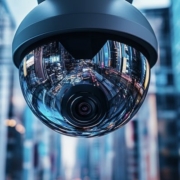
Judgment. The security industry is evolving rapidly. AI-powered cameras, intelligent surveillance systems, and advanced monitoring technology are helping organizations identify threats faster and improve situational awareness. These innovations are changing how properties approach safety and risk management.

But even with smarter technology, clients still rely on trained security professionals who can make real-world decisions in real time. Cameras can detect movement. Artificial intelligence can analyze patterns. However, technology alone cannot de-escalate a confrontation, provide reassurance during an emergency, or exercise professional judgment in unpredictable situations.

Trained officers remain a critical part of any comprehensive security strategy. Their visible presence helps deter criminal activity, respond immediately to incidents, coordinate with law enforcement, and support the safety of tenants, employees, visitors, and customers. The most effective security programs combine modern technology with experienced personnel who understand how to respond under pressure.

Technology helps.
Professional presence still matters. Go with protection services that have a solid reputation that you can trust. 

As security risks continue to evolve, organizations must evaluate whether their current approach is truly prepared for modern threats.

How is your property adapting to today’s changing security landscape?

#Security #ArtificialIntelligence #PrivateSecurity #RiskManagement #SecurityTechnology #PublicSafety #WorkplaceSafety #Surveillance #SecurityProfessionals #AI #PropertyManagement #FacilitySecurity #ThreatPrevention


Technology Supports.

Technology Supports. Professionals Respond.

By Frank Costa, President, Nexgen Protection Services

Many organizations today are investing in drones, surveillance systems, and remote technology to gain visibility into incidents before first responders arrive. These tools can provide valuable situational awareness and improve response coordination. However, in many private security environments, trained professionals are already on site before a call is ever made.

At Nexgen Protection Services, our officers provide more than observation. They help deter threats before situations escalate, deliver immediate on-site response, assist with de-escalation, and coordinate directly with responding law enforcement and emergency personnel when necessary. A trained physical presence can make the difference between a controlled situation and a critical incident.

Technology enhances awareness, but it cannot replace professional judgment, communication skills, and real-time decision-making. Security personnel serve as the first line of prevention, helping create safer environments for businesses, healthcare facilities, residential communities, and public events.

The strongest security strategies combine modern technology with experienced professionals who are trained to respond effectively under pressure. Prevention, preparedness, and presence remain essential components of any comprehensive security plan.

Technology can support security.
Professional presence still matters.

#Security #PrivateSecurity #PublicSafety #SecurityProfessionals #RiskManagement #EventSecurity #WorkplaceSafety #LawEnforcement #DroneTechnology #SituationalAwareness #DeEscalation #SecurityServices

Reference
National Institute of Justice. (2023). The role of technology in modern security operations. U.S. Department of Justice. National Institute of Justice


Protecting People Starts Before the Threat: Creating Safer Spaces Every Day

Protecting People Starts Before the Threat: Creating Safer Spaces Every Day

Frank Costa, President, Nexgen Protection Services

Safety is not something organizations can afford to think about only after an incident occurs. Effective protection begins at the front entrance with proactive planning, visible deterrence, and trained professionals who understand how to respond in real time.

From walkthrough metal detectors at schools, government buildings, healthcare facilities, and public events to professional on-site security personnel for hospitals and medical offices, security measures play a critical role in protecting employees, visitors, students, and the public.

At Nexgen Protection Group, trained security professionals help create safer environments through threat deterrence, activity monitoring, controlled access, and a strong visible presence when protection matters most. A proactive security strategy not only reduces risk exposure but also helps foster confidence and peace of mind for everyone entering a facility.

According to the Occupational Safety and Health Administration (OSHA), workplace violence prevention and strong security protocols are essential components of maintaining safe working environments, particularly in healthcare and public-facing industries (Occupational Safety and Health Administration [OSHA], 2024).

Security. Protection. Peace of Mind.

#Security #SafetyFirst #HealthcareSecurity #SchoolSafety #ProtectionServices #SecurityGuards #PublicSafety #RiskManagement #WorkplaceSafety #FacilitySecurity #EventSecurity #NCProtectionGroup

Reference
Occupational Safety and Health Administration. (2024). Workplace violence. U.S. Department of Labor. OSHA Workplace Violence Prevention


Security-in-a-Challenging-Economy-From-Cost-Center-to-Critical-Investment

Security in a Challenging Economy: From Cost Center to Critical Investment

Security: a Critical Investment 

By Frank Costa, President, Nexgen Protection Services

In today’s challenging economy, prioritizing security isn’t optional—it’s essential. As theft, fraud, and opportunistic crime increase during periods of financial strain, organizations are realizing that proactive protection is a core part of operational resilience.

Hiring a professional security protection team is one of the most effective ways to strengthen that resilience.

Rather than relying on reactive measures after an incident occurs, protection teams focus on prevention. They identify vulnerabilities in physical spaces, monitor high-risk areas, and implement layered deterrence strategies that reduce the likelihood of theft and disruption in the first place.

In addition, trained security professionals provide rapid incident response when issues do arise—minimizing losses, protecting personnel, and preserving business continuity. Their presence also acts as a visible deterrent, which can significantly reduce opportunistic targeting.

In tighter economic conditions, the cost of not investing in security often outweighs the cost of prevention. Downtime, inventory loss, liability exposure, and reputational damage can have long-term financial consequences.

Strong security is not just about protection—it’s about stability, confidence, and continuity in uncertain times.

APA Source:
National Retail Federation. (2024). Retail security and loss prevention report: Trends in theft and proactive risk mitigation strategies.

#SecurityManagement #RiskManagement #LossPrevention #CorporateSecurity #BusinessContinuity #AssetProtection #TheftPrevention #SecurityStrategy #RetailSecurity #OperationalResilience


Cyber-Physical-Security-Must-Be-Integrated

Cyber & Physical Security Must Be Integrated — Not Optional

Cyber & Physical Security Must Be Integrated

By Frank Costa, President, Nexgen Protection Services

Security threats no longer fit neatly into “cyber” or “physical” categories. They are converging—and organizations that fail to integrate both domains are increasingly exposed.

Recent warnings tied to the 2026 global event cycle highlight this shift. Reports of attempted cyber disruptions against high-profile international event infrastructure underscore how digital attacks can directly impact physical operations, logistics, and public safety. At the same time, the Cybersecurity and Infrastructure Security Agency (CISA) has urged organizations to replace end-of-life network and IoT devices, noting that unsupported systems are actively being targeted by attackers.

This is where hiring a modern security protection team becomes essential.

Integrated teams bridge the gap between cyber and physical security by combining threat intelligence, on-the-ground protection, and technical risk management. They recognize that vulnerabilities in outdated devices can translate into real-world access risks, and that physical environments—venues, facilities, personnel—are often entry points for broader digital compromise.

A unified security approach enables:
• Faster identification of cross-domain threats
• Stronger incident response coordination
• Reduced risk from outdated or unmonitored systems
• Improved resilience for events, infrastructure, and operations

In today’s environment, siloed security is a liability. Integration is the standard for resilience.

APA Source:
Cybersecurity and Infrastructure Security Agency. (2026). Advisory on end-of-life network and IoT device vulnerabilities and risk mitigation guidance.

#CyberSecurity #PhysicalSecurity #IntegratedSecurity #RiskManagement #ThreatIntelligence #CISA #CriticalInfrastructure #ExecutiveProtection #SecurityStrategy #BusinessContinuity


Beyond-the-Perimeter-The-New-Standard-for-Securing-High-Visibility-Events

Beyond the Perimeter: The New Standard for Securing High-Visibility Events

Securing High-Visibility Events

By Frank Costa, President, Nexgen Protection Services

Securing large-scale, high-visibility events requires more than perimeter control—it demands intelligence-driven, proactive strategies that identify threats before they materialize.

Hiring a professional security protection team is critical to meeting this challenge.

Modern teams integrate protective intelligence, investigations, and real-time threat analysis to shift from reactive response to proactive prevention. By leveraging open-source intelligence (OSINT), behavioral analysis, and advanced data tools, they can detect early warning signs and intervene before risks escalate.

Equally important is coordination. Effective protection teams facilitate information sharing across agencies, ensuring unified situational awareness and faster decision-making in dynamic environments. They understand that threats often develop long before reaching the venue—making early detection essential.

The result is stronger risk mitigation, improved safety, and greater confidence for stakeholders and attendees alike.

In today’s environment, security isn’t just about response—it’s about anticipation.

APA Source:
U.S. Department of Homeland Security. (2023). National Special Security Events: Enhancing protective intelligence and interagency coordination.

#EventSecurity #ProtectiveIntelligence #RiskManagement #NationalSecurity #CorporateSecurity #ThreatAssessment #OSINT #CrisisManagement #PublicPrivatePartnerships #SecurityStrategy