Posts

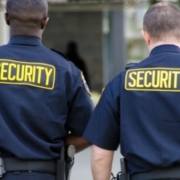
As demand for contract security rises, governments and businesses face critical challenges

As demand for contract security rises, governments and businesses face critical challenges.

As demand for contract security rises, governments and businesses face critical challenges:

  • Defining clear roles and expectations for security personnel

  • Enhancing training and oversight to boost professionalism and accountability

  • Balancing private security investments with public safety to ensure equitable policing

Frank Costa, President, Nexgen Protection Services

Private security can support law enforcement—but it’s not a replacement. Effective crime prevention requires better coordination between police and security firms to maintain ethical, legal, and community-centered strategies.

#ContractSecurity #PublicSafety #PrivateSecurity #LawEnforcement #SecurityTraining #CommunitySafety #CrimePrevention #SecurityManagement #EthicalSecurity

Source:
The Expanding Role Of Private Security In Policing Gaps. (March 14, 2025). Security GuardMagazine. 


The future of public safety is integration, not isolation.

The future of public safety is integration, not isolation.

Frank Costa, President, Nexgen Protection Services

A hybrid model where police and private security collaborate—not compete—can strengthen communities. But this partnership must be built on fairness, oversight, and accountability.

Equity is key. If private security only serves wealthy areas, it worsens divides. Instead, private patrols should contribute to public safety across all neighborhoods.

With clear roles, joint training, smart tech, and a focus on equity, public and private forces can unite to protect everyone.

#PublicSafety #SecurityIntegration #EquityInSecurity #CommunityProtection #PublicPrivatePartnerships #Fairness #Accountability


Source:
Can Private Security Help Solve The Police Staffing Crisis? A Roadmap For A Unified Future Of Public Safety (June 9, 2025) Security Guard Magazine. 


Real safety isn’t about cameras or security guards—it’s about trust.

Real safety isn’t about cameras or security guards—it’s about trust.

Frank Costa, President, Nexgen Protection Services

When communities trust their institutions, they feel safe. Without that trust, walls go up—physically and socially.

Private security can’t replace public trust or collective safety. True security comes from shared responsibility, connection, and investing in public systems like mental health, housing, and community programs.

We can build safer communities—if we choose shared security over divided protection.

Security isn’t for sale. It’s a public good.

#PublicSafety #TrustNotTransactions #CommunitySecurity #SharedResponsibility #SocialEquity #SafetyForAll

Source: 

Safety For Sale? Why Privatized Security Reflects A Failing Public System.(June 9, 2025) Security Guard  Magazine


Smarter Hiring in Security: Why AI and People Must Work Together

Smarter Hiring in Security: Why AI and People Must Work Together

Frank Costa, President, Nexgen Protection Services

In the security industry, hiring the right talent is mission-critical. AI offers speed, scale, and data-driven insights that help streamline recruiting — especially for technical and high-volume roles.

But security isn’t just about efficiency. It’s about trust, integrity, and cultural fit — qualities that algorithms alone can’t fully capture.

The smartest security teams use AI to handle repetitive tasks and surface the right candidates, freeing up recruiters to focus on what really matters: building relationships and assessing the human qualities that keep organizations safe.

In today’s competitive landscape — especially in fast-growing tech hubs like Utah — the future of hiring isn’t AI or people. It’s AI and people, working together.

Leaders who get this balance right will build stronger, more resilient security teams — and ultimately, safer organizations.

#SecurityHiring #AIinSecurity #RecruitingWithAI #CyberSecurityCareers #TalentAcquisition #PeopleFirst #HiringStrategy #UtahTech #SmartHiring

Source:

Smart Security in Healthcare: Enhancing Guard Services with Technology. (July 7, 2025) Security Guard Magazine. 


In the AI era, data is power — and a prime target.

In the AI era, data is power — and a prime target.

Frank Costa, President, Nexgen Protection ServicesBy Frank Costa, President, Nexgen Protection Services


To protect data, security and development teams must break silos and work together from day one.
Secure-by-design is no longer optional — it’s essential.

#CyberSecurity #AI #DevSecOps #DataProtection #SecureByDesign #InfoSec #AIethics #SecurityFirst #AppSec #HigherEdTech #DigitalTransformation


Source:
Reiter,R.Security and Development Teams Should Work Together to Protect Data in the AI Era (July 17, 2025) Security Magazine. 


The Key to Efficient Hospitality Operations

The Key to Efficient Hospitality Operations

Frank Costa, President, Nexgen Protection Services

In hospitality, seamless guest experiences rely on efficient behind-the-scenes operations. While mobile check-in and digital keys are guest-facing innovations, staff still depend on physical keys to access critical areas across large properties.

That’s where intelligent key cabinets come in. These smart systems automate key distribution, track usage in real time, and integrate with existing access control platforms. The result? Reduced security risks, increased accountability, and more efficient staff workflows.

Outdated peg boards and manual logs can’t match the security and efficiency these digital solutions offer — helping hospitality teams focus on what matters most: the guest experience.

#HospitalityManagement #SmartSecurity #KeyManagement #HotelOperations #AccessControl #WorkplaceEfficiency #DigitalTransformation #HospitalityTech


Source: 

Rojas, F. The Key to Efficient Hospitality Operations (July 18, 2025). Security Magazine. 


Whether to hire dedicated, in-house security staff or outsource protection services to a third-party provider.

Securing the Corporate Campus: Should You Hire In-House Security or Outsource?

By Frank Costa, President, Nexgen Protection Services

As corporate campuses grow in size and complexity, so do the demands on their security infrastructure. A key strategic decision many facility and security leaders face is whether to hire dedicated, in-house security staff or outsource protection services to a third-party provider.

Each option brings distinct advantages—and challenges.

In-house security teams offer greater control, consistent presence, and alignment with company culture and brand values. These officers can be deeply integrated into daily operations, build familiarity with staff and protocols, and foster a trusted presence across the campus. However, managing in-house personnel comes with added costs, HR responsibilities, training oversight, and legal exposure.

Contract security providers, on the other hand, deliver flexibility and scale. They often supply highly trained officers, industry certifications, and built-in management systems—allowing corporate security leaders to focus on strategy while the vendor handles staffing, scheduling, and compliance. Yet, outsourcing can result in less consistency and reduced control over personnel selection and performance.

For modern corporate campuses—where security must balance access control, visitor management, emergency response, and brand representation—the right decision depends on the organization’s size, risk tolerance, budget, and desired level of control.

Whether you choose to build your own team or partner with a provider, one thing remains clear: your security personnel must be professional, proactive, and aligned with the values of your organization. The wrong fit, in either model, can lead to lapses in protection, reputational damage, or operational disruption.

Hashtags:

#CorporateSecurity #CampusProtection #SecurityStaffing #InHouseSecurity #ContractSecurity #AccessControl #WorkplaceSafety #CorporateFacilities #SecurityStrategy #SecurityLeadership #SecurityOperations #EnterpriseSecurity #RiskMitigation #EmployeeSafety #FacilityManagement

Source:
Harroch, D. Employees Vs. Contractors: Who To Hire For Your Business (Sep 04, 2024). Forbes.


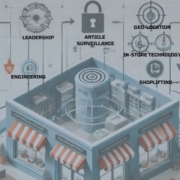
Asset protection isn’t just about catching shoplifters—it's about risk management, crisis response.

The Frontline of Retail Safety: The Vital Role of Asset Protection Professionals in Mall Security

By Frank Costa, President, Nexgen Protection Services

In bustling retail environments like shopping malls, asset protection professionals are more than just a security presence—they are the guardians of people, property, and profitability.

Tasked with preventing theft, deterring criminal activity, and ensuring a safe environment for shoppers and staff, these professionals combine vigilance with customer service. From discreet surveillance and monitoring suspicious behavior to responding to emergencies and supporting loss prevention strategies, mall security teams must stay sharp, visible, and proactive.

Modern asset protection isn’t just about catching shoplifters—it’s about risk management, crisis response, and keeping complex public spaces running smoothly. Effective mall security requires teamwork, technology, and training to manage everything from petty theft to larger threats like active assailants or crowd control during events.

As the retail landscape evolves, so too must the strategies that protect it. Asset protection professionals are the silent force ensuring malls remain places of commerce, community—and safety.

#MallSecurity #AssetProtection #RetailSecurity #LossPrevention #SecurityProfessionals #CustomerSafety #RetailProtection #PublicSafety #SecurityInRetail #FrontlineSecurity #SafeShopping #SecurityLeadership #PhysicalSecurity #SecurityAwareness


Source: 

Brittain, J. Asset Protection Professional and Mall Security Guard Shot by Alleged Shoplifter in Los Angeles (January 3, 2025) SecurityMagazine.


The ability to spot suspicious behavior and respond to active assailant situations is a critical skill for security professionals

From Vigilance to Action: Identifying Suspicious Behavior and Guarding Against Active Assailants

By Frank Costa, President, Nexgen Protection Services

In an age where threats can emerge suddenly and without warning, the ability to spot suspicious behavior and respond to active assailant situations is a critical skill for security professionals and frontline staff alike.

Early detection is often the key to prevention. Suspicious behavior doesn’t always look overtly threatening—it may come in the form of nervousness, loitering without purpose, unusual attire for the environment, or evasive behavior around surveillance or entry points. Recognizing these cues requires trained observation skills, situational awareness, and consistent engagement with the environment.

But identifying a potential threat is only half the equation.

Preparedness is protection.
Guarding against active assailants means having clearly defined emergency protocols, real-time communication channels, lockdown procedures, and trained personnel ready to act. Regular drills, access control systems, and coordinated response plans with local law enforcement can make all the difference when seconds count.

Security teams must operate not just as responders, but as preventers—observing, assessing, and de-escalating situations before they evolve into critical incidents.

#SituationalAwareness #SuspiciousBehavior #ActiveAssailantResponse #SecurityTraining #ThreatDetection #PhysicalSecurity #EmergencyPreparedness #WorkplaceSafety #SecurityAwareness #SecurityProfessionals #PreventAndProtect #CrisisReadiness #SecurityLeadership #VigilanceMatters


Source: 

DHS Cybersecurity and Infrastructure Security Agency Releases Soft Target and Crowded Places Resource Guide (April 25, 1019). Security Magazine. 


How Businesses Can Maintain Operations During Social Unrest

Staying Resilient: How Businesses Can Maintain Operations During Social Unrest

By Frank Costa, President, Nexgen Protection Services

Social Unrest

In an era of increasing civil demonstrations and social unrest, businesses face a growing challenge: how to maintain continuity, protect people and assets, and operate safely in the face of unpredictable disruptions.

Business continuity during unrest isn’t just about crisis management—it’s about resilience.

To remain operational, companies must take a proactive, strategic approach that blends security planning, communication, and operational flexibility. This includes:

  1. Risk Assessment & Scenario Planning
    Identify potential threats based on geography, political climate, and past events. Build plans tailored to specific locations and likely disruption scenarios.
  2. Security Enhancements
    Implement visible and non-visible security measures—like reinforced entry points, CCTV systems, and trained guard personnel—designed to deter threats and protect assets without escalating tension.
  3. Real-Time Communication Protocols
    Ensure all staff are equipped with clear communication channels and know-how to respond during incidents. Coordination with law enforcement and security teams is key to informed decision-making.
  4. Flexible Operations
    Be prepared to adapt hours, change access points, or shift to remote work temporarily. Business continuity is about adapting, not just enduring.
  5. Employee Safety & Support
    Above all, protect your people. A solid continuity plan considers mental health, safe transportation, and contingency roles so staff are supported, not endangered.

Businesses that prepare today can avoid disruption tomorrow—staying secure, productive, and trusted, even during turbulent times.

#BusinessContinuity #CrisisManagement #SocialUnrest #OperationalResilience #SecurityPlanning #EmergencyPreparedness #RiskMitigation #WorkplaceSafety #ContinuityPlanning #CorporateSecurity #SecureOperations #CrisisResponse #BusinessSecurity #SecurityStrategy #ProtectYourPeople


Source: 

Skule, J. Ensuring business continuity amid social unrest and demonstrations. (January 19, 2021). Security Magazine.