
Posts

High-Tech-Auto-theft.-Gone-in-60-Seconds.

High-Tech Auto theft – Gone in 60 Seconds.

Frank Costa, President, Nexgen Protection Services

Gone in 60 Seconds. That’s the reality of today’s organized, high-tech auto theft rings. In recent cases, more than 100 vehicles were stolen across multiple states, quickly moved through coordinated networks, and shipped overseas—often hidden in containers falsely labeled as household goods. This isn’t random crime; it’s fast, strategic, and highly profitable.

For businesses, executives, and fleet owners, this highlights a critical point: reactive security is no longer enough. Proactive protection is essential.

Hiring a professional security protection team adds layers of defense that technology alone can’t provide. Trained personnel conduct risk assessments, monitor vulnerable access points, coordinate surveillance systems, and respond in real time. They also help implement deterrence strategies—because a visible security presence can significantly reduce targeting.

Beyond prevention, these teams support incident response, documentation, and coordination with law enforcement—reducing downtime, financial loss, and operational disruption. For companies managing vehicle fleets or high-value assets, this isn’t just about safety—it’s about continuity and protecting your bottom line.

Organized crime is evolving. Your security strategy should too.

APA Source:
United States Department of Justice. (2024). Multi-state auto theft ring dismantled; vehicles trafficked overseas.

#SecurityMatters #RiskManagement #AssetProtection #CorporateSecurity #BusinessContinuity #FleetManagement #CrimePrevention #ExecutiveProtection #PhysicalSecurity #SecurityStrategy

 

Lessons in Security

When Home Isn’t Safe: Lessons in Security

Lessons in Security.

A mother in Chicago experienced every homeowner’s nightmare: strangers had taken over her first-floor apartment—allegedly even using her bed. The individuals, a 46-year-old woman and a 63-year-old man, were cited for trespassing, but the impact went far beyond legal action.

By Frank Costa, President, Nexgen Protection Services

The incident highlights critical concerns about access control, and tenant protection. How could unknown individuals gain entry so easily? And more importantly, how can residents feel safe in their own homes?

Beyond the shock, this event forced the mother to relocate from her own apartment, underscoring the profound emotional and practical consequences of breaches. Stories like these are sparking conversations across Chicago—and nationwide—about the importance of proactive measures in multi-unit housing.

Effective strategies include:

  • Controlled building access – key cards, secure locks, and visitor verification.
  • Surveillance systems – cameras in common areas and entry points.
  • Tenant awareness and training – knowing how to report suspicious activity quickly.
  • Rapid response protocols – ensuring local authorities or building team can act immediately.

Protection isn’t just a convenience—it’s fundamental to peace of mind, safety, and community well-being. Residents deserve to feel protected in their homes, and building management teams must take these incidents seriously to prevent recurrence.

Reference (APA):
FOX Local. (2026, March 20). Chicago mother discovers strangers in her apartment.

#HomeSecurity #TenantProtection #RiskManagement #BuildingSecurity #ResidentialSafety #CrimePrevention #PhysicalSecurity #CommunitySafety #SecurityStrategy #Awareness

Protection Happens Before

Protection Happens Before the Headlines

Not every threat makes the news. And the ones that do often get dismissed. But effective protection isn’t based on headlines—it’s based on awareness.

By Frank Costa, President, Nexgen Protection Services – Security Protection 

Security is about noticing behavior that doesn’t make sense, recognizing patterns before they escalate, and being present before something happens. It’s proactive, not reactive.

By the time a threat becomes obvious, it’s often already too late. Organizations that prioritize situational awareness, trained personnel, and real-time monitoring create environments where risks are identified and addressed long before they become crises.

This mindset transforms security from a defensive measure into a strategic advantage. Being alert, prepared, and observant allows teams to prevent incidents, protect people and assets, and maintain continuity—even in the face of unseen or evolving threats.

The lesson is clear: headlines report events after the fact, but true security works in the moments you don’t see. Invest in awareness, train your teams, and stay proactive—because prevention always beats reaction.

Reference (APA):
Fennelly, L. J. (2022). Effective physical security (6th ed.). Butterworth-Heinemann.

#SecurityAwareness #RiskManagement #ThreatPrevention #PhysicalSecurity #CorporateSecurity #ProactiveSecurity #SituationalAwareness #BusinessContinuity #SecurityStrategy #LeadershipProtection

Security with Awareness Training

Boost Security with Awareness Training

By Frank Costa, President, Nexgen Protection Services – Awareness Training

Human error remains one of the leading causes of security breaches and operational risks. Even the most advanced systems can be undermined if employees aren’t prepared to recognize and respond to threats.

Security awareness training addresses this gap by equipping teams to:

  • Identify risks early – recognizing suspicious activity or potential breaches before they escalate.
  • Follow proper protocols – ensuring consistent, effective responses across the organization.
  • Respond confidently under pressure – minimizing mistakes and reducing the impact of incidents.


A well-trained workforce is more than just a line of defense—it strengthens the entire security ecosystem, supporting technology, procedures, and leadership in safeguarding people, assets, and data.

Investing in ongoing awareness training ensures your team remains up to date with evolving threats, emerging tactics, and best practices. The result is a proactive, resilient security culture that turns potential vulnerabilities into points of strength.

Security is not just about tools and policies—it’s about people who are ready, aware, and capable of acting decisively when it matters most. Build a team that recognizes risks early and responds with confidence and precision.


Reference (APA):
Hadnagy, C. (2022). Social engineering: The science of human hacking (2nd ed.). Wiley.

#SecurityAwareness #RiskManagement #CyberSecurity #OperationalRisk #EmployeeTraining #SecurityCulture #ThreatPrevention #CorporateSecurity #HumanError #SecurityStrategy

Overnight Patrols

Overnight Patrols Keep Communities Safe

Maintaining safety isn’t a 9-to-5 job—criminal activity doesn’t sleep, and neither does proactive security. That’s why conducting active overnight security patrols is essential for protecting communities and businesses.

By Frank Costa, President, Nexgen Protection Services – Overnight Patrols 

These patrols serve a dual purpose:

  • Visible presence: The sight of uniformed personnel and marked vehicles acts as a strong deterrent to potential offenders.
  • Rapid intervention: Should an incident occur, patrol teams can respond immediately, minimizing potential damage or loss.

Nighttime patrols are a cornerstone of modern security strategy. They help reduce risks, reassure residents, and maintain continuity of operations for businesses located in areas vulnerable to crime. By keeping eyes on the ground while the community rests, security teams help ensure a safer environment for everyone.

The effectiveness of overnight patrols depends on trained personnel, well-planned routes, and regular communication with monitoring teams. When combined with technology—like CCTV and alarm systems—the impact is amplified, creating a layered security approach that addresses both prevention and response.

In short, security works best when it’s proactive, visible, and continuous. Overnight patrols are not just about monitoring—they are about keeping communities safe, preventing incidents before they happen, and providing peace of mind to those who live and work in the area.

Reference (APA):
Fennelly, L. J. (2022). Effective physical security (6th ed.). Butterworth-Heinemann.

#Security #PhysicalSecurity #RiskManagement #CommunitySafety #Patrol #CrimePrevention #BusinessSecurity #ThreatDeterrence #SecurityStrategy #OvernightPatrols

Speed Matters in Security

Why Speed Matters in Security

In security, speed isn’t just important—it’s everything. When an incident occurs, the difference between loss and prevention often comes down to how quickly your team can respond.

By Frank Costa, President, Nexgen Protection Services

A strong security strategy isn’t just about reacting after the fact. It’s about being ready before anything happens, combining multiple layers of protection:

  • Immediate response capability – ensuring threats are addressed in real time.
  • Visible deterrence – making it clear that potential intruders are being watched.
  • Continuous monitoring – leveraging technology to detect risks before they escalate.
  • Skilled personnel on the ground – trained experts who can act decisively when seconds matter.

The reality is simple: security isn’t about looking back—it’s about preparing for what’s ahead. Organizations that integrate speed, visibility, and expertise into their approach reduce risk, protect assets, and safeguard people more effectively than those who rely solely on reactive measures.

Investing in proactive, well-coordinated security isn’t just smart—it’s essential in a world where threats can evolve in an instant.

Reference (APA):
Fennelly, L. J. (2022). Effective physical security (6th ed.). Butterworth-Heinemann.

#Security #RiskManagement #PhysicalSecurity #SecurityStrategy #BusinessContinuity #IncidentResponse #Deterrence #ThreatPrevention #CorporateSecurity #SecurityIndustry

Surge in Break-Ins

Surge in Break-Ins: A Wake-Up Call

An surge in regional break-ins is more than a statistic—it’s a clear signal that local communities are facing a rapidly evolving security challenge.

By Frank Costa, President, Nexgen Protection Services

For homeowners and businesses alike, this rise underscores a critical shift: security can no longer be reactive. Waiting until after an incident occurs is no longer enough.

CCTV and modern surveillance systems play a powerful role—not just in capturing incidents, but in preventing break-ins altogether. The most effective security strategies focus on deterrence. A visible, high-quality camera system sends a clear message: this property is protected, monitored, and not an easy target.

Criminals often look for opportunity and vulnerability. When they encounter strong visual security measures—cameras, lighting, and clear signage—they are far more likely to move on to a less protected location.

This is where mindset matters. Security isn’t just about recording evidence; it’s about influencing behavior before a crime ever happens.

For communities, this means investing in visible, proactive measures that protect not only individual properties but entire neighborhoods. For businesses, it’s about safeguarding assets, employees, and operations by reducing risk at the front line.

In today’s environment, the most effective security strategy is simple: be seen, be prepared, and be protected.

Reference (APA):
National Institute of Justice. (2020). Five things about deterrence. U.S. Department of Justice.

#Security #CCTV #CrimePrevention #RiskManagement #PhysicalSecurity #BusinessSecurity #CommunitySafety #Surveillance #Deterrence #SecurityIndustry


Understanding FPCON: A Critical Security Framework

Understanding FPCON: A Critical Security Framework

By Frank Costa, President, Nexgen Protection Services — FPCON: A Critical Security Framework

In today’s evolving threat landscape, understanding how the U.S. protects its people and facilities is more important than ever. One key system used across military installations and government environments is the Force Protection Condition (FPCON). A critical security framework. 

FPCON is a standardized system developed by the U.S. Department of Defense to assess and respond to terrorist threats against personnel and facilities. It provides commanders with a structured framework to adjust security measures based on real-time intelligence and risk levels. 

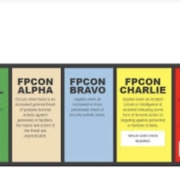
The system operates across five escalating levels: Normal, Alpha, Bravo, Charlie, and Delta. As threat levels increase, so do security measures—from routine ID checks and random inspections to full lockdown scenarios with restricted access and heightened armed presence. 

What makes FPCON especially effective is its proactive design. It doesn’t just respond to threats—it helps deter, detect, delay, and defend against potential attacks before they occur. 

For businesses operating near military bases, government facilities, or critical infrastructure, awareness of FPCON levels is essential. Sudden changes can impact access, logistics, employee movement, and overall operations.

In a world where threats can evolve rapidly, FPCON  is a critical security framework that underlines a broader truth: security is not static. It’s dynamic, intelligence-driven, and requires constant adaptation.

Organizations that understand and align with these systems are better positioned to protect their people, assets, and continuity.

Reference (APA):
Military.com. (2025). Force Protection Condition (FPCON) levels explained.

#SecurityAwareness #FPCON #RiskManagement #CorporateSecurity #ThreatIntelligence #BusinessContinuity #HomelandSecurity #PhysicalSecurity #SecurityIndustry #Leadership

Border Security Risks Are Rising in 2026

Border Security Risks Are Rising in 2026

By Frank Costa, President, Nexgen Protection Services

Boarder Security Risks

Violence near the U.S.–Mexico border is escalating in ways that demand urgent attention from businesses, security leaders, and policymakers alike.

Criminal organizations are no longer relying solely on traditional tactics. Increasingly, they are deploying advanced methods—such as drone-dropped explosives and improvised explosive devices (IEDs)—to expand their reach and capabilities. These developments signal a shift toward more sophisticated, asymmetric threats that were once largely confined to conflict zones.

For organizations operating in border states or along key supply chain corridors, the implications are serious. The security risk is no longer isolated—it has the potential to spill over into U.S. communities, impacting personnel safety, logistics, and overall business continuity.

This evolving threat landscape requires a more proactive and intelligence-driven approach to security risk assessment. Companies should reassess risk exposure, strengthen coordination with local and federal authorities, and ensure that their security partners are equipped to respond to emerging, high-impact scenarios.

Preparedness is no longer optional—it’s a strategic necessity.

Reference (APA):
Congressional Research Service. (2025). Mexico: Organized crime and drug trafficking organizations.

#BorderSecurity #RiskManagement #SecurityThreats #ExecutiveProtection #BusinessContinuity #CorporateSecurity #SupplyChainRisk #SecurityIndustry #ThreatIntelligence #2026Trends

Security Trends in 2026 You Can’t Ignore

Security Trends in 2026 You Can’t Ignore

Frank Costa, President, Nexgen Protection Services

As 2026 unfolds, the security industry is undergoing a major shift—and businesses that fail to adapt may find themselves exposed in ways they didn’t anticipate.

Three trends are redefining how organizations approach protection:

First, demand for executive protection is surging. With a 28% increase, safeguarding C-suite leaders and high-profile talent is no longer optional—it’s a critical layer of risk management in an increasingly unpredictable world.

Second, compliance requirements are tightening across states like California, Texas, and New York. Navigating multi-state regulations is becoming more complex, making it essential to partner with a fully licensed provider that understands the legal landscape and ensures seamless coverage.

Third, expectations around response times have fundamentally changed. Clients are no longer satisfied with reactive services. They expect proactive strategies, real-time intelligence, and rapid response capabilities. The difference between reacting to a threat and preventing one can define outcomes.

The bottom line: security is no longer just a service—it’s a strategic function. Businesses that prioritize proactive, compliant, and comprehensive protection will be better positioned to navigate the risks ahead.

Reference (APA):
Allied Universal. (2025). World security report 2025–2026: Key trends shaping the future of security.

#SecurityTrends #ExecutiveProtection #RiskManagement #Compliance #BusinessSecurity #PhysicalSecurity #SecurityIndustry #LeadershipProtection #CorporateSecurity #2026Trends