
Posts

Strong security protocols that helped limit violence

Security Teams Protecting Patients and Staff

Frank Costa, President, Nexgen Protection Services

Boston Medical Center implemented strong security protocols that helped limit violence in and around the facility, allowing clinicians to focus on patient care. A trained protection services team identified escalating behavior in an emergency department waiting area.

 Using verbal de-escalation techniques, coordinated positioning, and rapid communication with clinical staff, the team resolved the situation without injury or disruption to patient care. Medical staff later reported improved confidence and reduced stress knowing a capable security presence was in place.

Impact: Patient safety preserved, staff supported, zero use-of-force incidents.

Security personnel at hospitals have intervened to de-escalate violent situations, safeguard vulnerable patients, and ensure smooth operations. In many large medical centers, trained teams help:

  • Escort patients through emergency departments
  • Monitor visitor access
  • Reduce disruptions in care areas

Outcome: Across hospitals, universities, and major public events, protection services have repeatedly demonstrated their role in keeping people safe—before, during, and after potential incidents. These positive outcomes show that with proper planning, training, and collaboration, large gatherings and sensitive environments can be both accessible and secure.

#SecurityProfessionals #PublicSafety #HealthcareSecurity #CampusSafety #EventSecurity #RiskManagement #CommunityProtection #SafetyLeadership
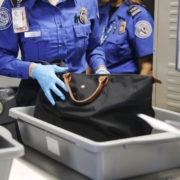

 

Avoiding a “Failure of Imagination”

Protecting American Flyers & Airport Staff — Avoiding a “Failure of Imagination”

The phrase “failure of imagination” entered the national lexicon after the 9/11 Commission concluded that U.S. intelligence agencies didn’t anticipate terrorists using commercial aircraft as weapons — not because it was impossible to imagine, but because it wasn’t adequately planned for ahead of time. Wikipedia

Today, preventing another tragic lapse in foresight requires forward‑thinking security strategies — not just reaction. For aviation security, this means embracing layered defenses that protect passengers, employees, and facilities from evolving threats before they materialize.

Key components of effective airport security include:

  • Proactive threat screening: Implementing advanced screening for aviation workers and passengers to detect a wider range of dangers, including weapons and prohibited items, helps strengthen defenses against insider and outsider threats. Security Magazine
    Training & preparedness: Security personnel trained to recognize subtle indicators of risk are more likely to detect unusual behavior — bridging gaps before problems escalate.
    Collaboration & intelligence sharing: Seamless communication between airlines, private security, federal agencies, and local law enforcement improves situational awareness and response times.

Avoiding a “Failure of Imagination”

Frank Costa, President, Nexgen Protection Services, we help organizations think ahead, train proactively, and act confidently. Security is not just about responding — it’s about anticipating. By embedding forward‑looking practices into aviation security plans, we strengthen safety for flyers and airport employees alike.

#AirportSecurity #AviationSafety #SecurityLeadership #ThreatPrevention
#CrisisPreparedness #ProactiveSecurity #DefenseInDepth #SecurityTraining

APA Source
Cunningham, B. (2025). No more failures of imagination: Future proofing airport employee screening. Security Magazine. Retrieved from https://www.securitymagazine.com/articles/102053-no-more-failures-of-imagination-future-proofing-airport-employee-screening

Closing-the-Influence-Gap-Why-Security-Professionals-Must-Be-Heard.

Closing the Influence Gap: Why Security Professionals Must Be Heard

By Frank Costa, President, Nexgen Protection Services

New research highlights a concerning trend: security professionals often lack the influence they need, and many organizations are struggling to perform even the most basic security risk management functions effectively. (ISACA, 2025)

For enterprises navigating increasingly complex threat landscapes, this is a critical wake-up call. Without strong influence and integration at the executive level, security teams risk being reactive rather than strategic, and organizations leave themselves exposed to avoidable risks.

The Influence Gap
Consultants found that security professionals frequently aren’t included in key business decisions, limiting their ability to align risk management with organizational objectives. This misalignment can lead to gaps in policies, insufficient resource allocation, and fragmented incident response strategies.

Challenges in Risk Management
The research also revealed weaknesses in core security functions:

  • Inconsistent risk assessments and prioritization

  • Limited integration with enterprise governance frameworks

  • Insufficient monitoring and reporting of key security metrics

Why This Matters
Security isn’t just an IT concern — it’s enterprise risk management. Organizations that fail to empower security professionals risk operational disruptions, regulatory noncompliance, reputational damage, and financial loss.

Steps Forward

  1. Elevate Security Leadership — Ensure CSOs or security leads have a seat at the executive table.

  2. Integrate Security into Strategy — Align risk management with business goals and decision-making processes.

  3. Invest in Training & Metrics — Equip teams with the skills, tools, and KPIs needed to measure and communicate risk effectively.

  4. Foster a Culture of Awareness — Make security a shared responsibility, not an isolated function.

In today’s environment, visibility, influence, and strategic alignment are just as important as technical capability. Organizations that empower their security teams gain a competitive advantage — protecting assets, maintaining trust, and mitigating risks before they escalate.

#CyberSecurity #EnterpriseRiskManagement #CSO #SecurityLeadership #RiskMitigation #CorporateSecurity #Governance #InformationSecurity #StrategicSecurity

Reference
ISACA. (2025). State of security leadership and risk management research report. ISACA. (https://www.isaca.org/resources/news-and-trends/newsroom)

United-in-Resolve-—-Standing-With-Our-West-Virginia-National-Guard-After-a-Senseless-Attack

United in Resolve — Standing With Our West Virginia National Guard After a Senseless Attack

By Frank Costa, President, Nexgen Protection Services

Two members of the Air National Guard — heroically serving with the West Virginia National Guard — were viciously attacked while answering our nation’s call. The shooting near Washington, D.C. was senseless and brutal. https://www.wsaz.com+2West Virginia National Guard+2

As quoted by Duke Pirak, Acting Director of the Air National Guard: “Our hearts are with the family and friends of these brave Guardsmen… this heinous attack will not prevent our brave men and women from continuing our unwavering commitment to the safety and security of our great Nation.” https://www.wsaz.com

In moments like this, we are reminded of the courage and sacrifice demanded of those who wear the uniform — and the heavy burden they carry every day to protect our freedoms.

We must honor these service members — and ensure our support for them is more than words. That means standing with their families, offering solidarity, and reinforcing our collective resolve to uphold the values they defend.

To the Guardsmen, their loved ones, and every person who rises each day ready to serve: we see you. We thank you. We stand with you.

#NationalGuard #SupportOurTroops #ServiceAndSacrifice #CommunitySolidarity #PublicSafety #DutyAndHonor #ProtectAndServe #Gratitude

Reference
Associated Press. (2025, November 26). Two WV National Guard members critical after D.C. shooting; victims identified. WSAZ. 


Security-Guard-Stops-Violence-in-Its-Tracks-—-Knife-Wielding-Attacker-Shot-at-Hospital-

Security Guard Stops Violence in Its Tracks — Knife-Wielding Attacker Shot at Hospital ER

By Frank Costa, President, Nexgen Protection Services

A serious incident at Montefiore St. Luke’s Cornwall Hospital in Newburgh highlights the urgent role private security plays when public safety resources are strained. On the night of November 13, a 45-year-old man allegedly pulled a fire alarm in the hospital’s emergency-room lobby, then brandished a knife and attacked a security guard. In response, an armed guard fired one round — the attacker was pronounced dead. A bystander was also wounded, though her injuries are reportedly non-life-threatening. NBC New York+2CBS News+2

This tragic event underscores a larger reality: with police shortages and increasing demands on public safety, hospitals and institutions are increasingly reliant on private security. But while private guards can bridge critical safety gaps — especially in high-risk settings like emergency rooms — this incident raises important questions about training, protocols, accountability, and the burden placed on private security personnel.

As communities explore public–private safety partnerships, several priorities must guide decision-makers and security leaders:

  • Rigorous training & scenario preparedness — private officers may face life-and-death situations; proper training matters.

  • Clear rules of engagement and oversight — even justified force demands transparency and clarity.

  • Support systems for bystanders and staff — collateral trauma, as seen when a bystander was injured, must be addressed.

  • Collaboration with public safety & health institutions — coordination ensures that private security augments, not replaces, public-safety infrastructure.

Institutions can no longer assume security is a “nice to have.” As police staffing challenges persist, private security is becoming a frontline defense — especially in environments where lives, health, and community safety intersect.

It’s vital that we approach this shift with responsibility, structure, and accountability. When done right, public–private security collaboration can help protect communities — but only if standards are high and oversight is uncompromising.

#PublicSafety #PrivateSecurity #HospitalSecurity #SecurityLeadership #SafetyStandards #CommunitySafety #LawEnforcementPartnership #CrisisManagement

Reference
NBC New York. (2025, November 14). Hospital fire alarm puller shot dead in ER lobby after attacking security guard. City of Newburgh Police Department.

Retail Theft: Electronics Remain Among The Most Frequently Stolen And Costliest

Retail Theft: Electronics Remain Among The Most Frequently Stolen And Costliest

Frank Costa, President, Nexgen Protection Services

Sources estimate the average retail theft incident carries a loss of approximately US $1,200.

So how can retailers monitor high-risk products without introducing friction for legitimate customers? The key is combining smart, discreet loss-prevention technologies with thoughtful customer experience design.

Real-time, location-aware monitoring


Modern tools — such as RFID, smart shelves, or Bluetooth LE tracking — give retailers subtle, continuous visibility into product movement. Associates receive instant alerts if items leave a protected zone or head toward exits, but customers can still browse freely.

Data-driven risk scoring


Not all SKUs require equal vigilance. By analyzing transaction data, shrink trends, and store-level patterns, retailers can identify which electronics are truly high-risk. This allows targeted monitoring, avoiding blanket security measures that disrupt the shopping experience.

Assisted-selling rather than locked-away merchandise


Instead of locking items behind glass, stores can use digital request buttons, associate call systems, or demo-unit check-out procedures. That gives customers access with minimal delay — and avoids the “locked-away” frustration many shoppers dislike.

Subtle, customer-centric triggers


Sensors can gently prompt helpful touchpoints (e.g., product information, service offers, or an associate greeting) when a high-value item is moved — creating moments of customer service, not surveillance.

Empowered employees as deterrents


Staff trained to offer friendly engagement and timely assistance — especially in zones flagged by technology — remain among the most effective theft deterrents.

Retailers don’t have to choose between security and customer experience. With the right mix of technology, data, and human touch, it’s possible to protect high-risk electronics while keeping the checkout path intuitive, welcoming, and friction-free.

#RetailTech #LossPrevention #RetailSecurity #CustomerExperience #ShrinkReduction #SmartShelves #RFID #StoreOperations

Reference
Jack L. Hayes International. (2022). Annual Retail Theft Survey — average theft reported at nearly US$1,200 per incident for external theft. CDW

Navigating Travel Disruptions Amid the Government Shutdown

Navigating Travel Disruptions Amid the Government Shutdown

By Frank Costa, President, Nexgen Protection Services

The ongoing U.S. government shutdown is impacting air travel, with air traffic controller shortages leading to increased flight delays and cancellations. Approximately 13,000 controllers and 50,000 TSA officers continue working without pay, exacerbating staffing challenges and operational strain at major airports like Dallas, Chicago, Atlanta, and Newark Reuters.

For travelers, it’s crucial to:

  • Arrive early at airports due to potential longer wait times

  • Monitor flight statuses regularly

  • Stay informed about potential service disruptions

Adaptability and preparedness are key to navigating these turbulent skies.

#TravelSecurity #AirTravelDisruptions #GovernmentShutdown #FlightDelays #TSA #AirTrafficControl #TravelTips #RiskManagement

Citation:

ASIS International. (2025). Travel platforms must evolve from reactive fraud blocking to proactive management. Security Management. Retrieved from https://www.asisonline.org/security-management-magazine/articles/2025/10/


Preventing Violence During Employee Terminations

Preventing Violence During Employee Terminations

By Frank Costa, President, Nexgen Protection Services

“Firing an employee is already disruptive… but it can also escalate from a disruption into violence” (ASIS International, 2025).

Leaders and HR professionals can reduce risk by:

  • Planning terminations carefully with clear procedures

  • Ensuring security presence when needed

  • Training managers to spot warning signs

  • Protecting staff and the organization without compromising professionalism

Terminations are never easy—but with preparation, they can remain safe and controlled.

#HRLeadership #WorkplaceSafety #RiskManagement #EmployeeTermination #SecurityManagement #Leadership #OrganizationalResilience

Source:
ASIS International. (2025). When employee terminations escalate: Managing disruption and preventing violence. Security Management. Retrieved from https://www.asisonline.org/security-management-magazine/articles/2025/10/


Protecting Public Spaces: The Balance Between Safety & Rights

Protecting Public Spaces: The Balance Between Safety & Rights

By Frank Costa, President, Nexgen Protection Services

“Protecting public spaces is a delicate balancing act that must support safety while respecting and recognizing constitutionally given rights to lawfully access these sites.” (ASIS International, Security Management, 2025) ASIS International

For leaders in public-space and facility management:

  • Recognize that open access is a civic right, not just an operational challenge.

  • Adopt strategies that protect without transforming our shared environments into fortified zones.

  • Train security teams to distinguish between lawful activity and actionable behavior—so civil liberties remain at the core of your security posture.

  • View security and accessibility not as opposites—but as complementary pillars of community trust and resilience.

#PublicSafety #SecurityLeadership #RightsAndAccess #FacilityManagement #UrbanSecurity #ThoughtLeadership #SecurityManagement #SharedSpaces #RiskMitigation #CommunityTrust


When Prestige Meets Vulnerability: Lessons from the Louvre Museum Heist

When Prestige Meets Vulnerability: Lessons from the Louvre Museum Heist

By Frank Costa, President, Nexgen Protection Services

Thieves recently executed a swift and highly effective breach at the Louvre — underscoring a provocative truth: even the world’s most-renowned institutions are not immune to basic security failings. French authorities continue to search for the thieves responsible for Sunday’s Louvre heist as the museum security community reckons with the aftermath of a simple, yet stunningly effective, breach of security.”

This incident forces us in the security community to confront several critical questions:

  • Are we over-investing in the exotic rather than ensuring the basics (perimeter controls, access points, human vigilance)?

  • Could our breach scenarios be too narrow or outdated, focused on high-profile threats but neglecting low-tech, high-impact methods?

  • How often do we pause to ask whether our top value assets are placed / protected in alignment with our layered-defense strategy?

This isn’t a legacy asset problem. It’s a strategic one. The Louvre heist isn’t just about jewels—it’s about credibility, national heritage, and the trust of every visitor, stakeholder, and employee.

Let this serve as a wake-up call:


✅ Review your perimeter threats (including “low tech” tools)
✅ Re-examine your visitor-flow control and access routes
✅ Re-validate your security layers for modern, adaptable attack methods

Because when even the Louvre can be breached in a matter of minutes, no one can assume immunity.

#MuseumSecurity #RiskManagement #SecurityLeadership #PerimeterDefense #PhysicalSecurity #SecurityStrategy #LossPrevention #VulnerabilityAssessment #SecurityMagazine #LouvreHeist

Reference:
Alger, J. (2025, October 24). The Louvre heist: What was the state of the museum’s security? Security Magazine. https://www.securitymagazine.com/articles/101966-the-lourve-heist-what-was-the-state-of-the-museums-security