

Posts

loss prevention

Early Action Makes the Difference in Retail Loss Prevention

When store staff report suspicious behavior early, outcomes change—for the better.

Frank Costa, President, Nexgen Protection Services — Los Prevention

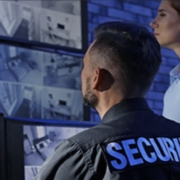
In a recent incident, store employees noticed unusual activity and immediately contacted our security team. Because of the fast response, our guard was able to intervene before the individual exited the store with unpaid merchandise. The situation was handled professionally, safely, and without escalation.

This case highlights how effective loss prevention really works:

  • Awareness from store staff
  • Clear communication
  • Rapid response by trained security personnel

Retail theft often isn’t a single moment—it’s a process. The earlier suspicious behavior is identified, the more options there are to resolve the situation calmly and legally. Waiting until someone exits the store increases risk, loss value, and potential confrontation.

Cooperation changes outcomes.

When employees and security teams work together, retailers reduce shrink, protect staff, and maintain a safer shopping environment for everyone.

#LossPrevention #RetailSecurity #SecurityServices #RetailSafety
#TheftPrevention #AssetProtection #StoreSecurity #ShrinkReduction

APA Source
National Retail Federation. (2023). National Retail Security Survey. National Retail Federation.

Mobile-Patrols-Are-Leading-the-Way-—-Why-Today-We-Need-More-Flexible-Security.

Mobile Patrols Are Leading the Way — Why Today We Need More Flexible Security

By Frank Costa, President, Nexgen Protection Services


As organizations look for cost-effective, high-impact protection, mobile patrol security has emerged as a top choice. It delivers a strong, visible presence across wide areas — without the expense of a full-time, on-site guard.

In a landscape where threats shift quickly and budgets remain tight, mobile patrols offer the agility and deterrence businesses need to stay ahead.

High-Visibility Deterrence
Marked patrol vehicles and rotating patrol times make it harder for bad actors to predict security patterns — significantly increasing deterrence.

Coverage That Static Posts Can’t Match
Mobile units can monitor multiple buildings, parking lots, perimeters, and high-risk zones in a single shift, providing broader coverage at a fraction of the cost.

Flexible, Adaptive Protection
Whether it’s overnight property checks, construction-site monitoring, event support, or after-hours business patrols, mobile units adapt to changing needs in real time.

Instant Reporting & Verification
Modern patrols use GPS check-ins, time-stamped photos, and digital incident reports, giving clients real-time visibility and documented proof of rounds.

Budget-Friendly Security
Instead of staffing multiple fixed posts, organizations can deploy mobile patrols to maximize coverage, reduce blind spots, and keep costs manageable.

Why This Trend Matters

Proactive security is always more cost-effective than reactive response. As businesses face workforce shortages, rising trespassing incidents, and expanding facility footprints, mobile patrols provide the balance of strength, coverage, and affordability.

A flexible security model isn’t just smart — it’s necessary. And mobile patrols are leading that evolution.

#SecurityServices #MobilePatrol #PhysicalSecurity #RiskManagement #LossPrevention #CorporateSecurity #FacilitiesManagement #BusinessContinuity #SecurityTrends2025

Reference
Security Industry Association. (2023). Guidelines for effective mobile patrol deployment in physical security programs. SIA Publications.

Shoplifters-Opportunistic-theft-—-not-organized-rings-—-makes-up-the-majority-of-cases

Shoplifters: Opportunistic theft — not organized rings — makes up the majority of cases.

By Frank Costa, President, Nexgen Protection Services

Most shoplifters are not hardened criminals seeking to resell goods; they’re regular people reacting to an easy opportunity. COPS Portal+1

That means the best defense is not complicated surveillance or locked-up merchandise — it’s presence, service, and vigilance.

Why “opportunistic” matters
Research shows that a small percentage of shoplifters are “professionals” working theft as a business. The vast majority are non-professionals who act spontaneously, not pre-planning. Stop Theft Class+1

Staff presence as deterrence
When store associates are visible, attentive and approachable — walking the floor, greeting customers, and offering help — they remove the “easy opportunity” that opportunistic thieves rely on.

Service-oriented engagement beats locked cases
Instead of locking up merchandise or making shopping feel like a security checkpoint, a service-first approach encourages genuine customers — while raising the perceived risk for casual thieves.

Smart prevention supports human deterrence
Loss prevention technology and surveillance can help, but they’re most effective when paired with human presence and friendly engagement. That balance keeps stores safe without undermining the shopping experience.

Retailers don’t have to choose between welcoming customers and protecting merchandise. By investing in staff training, floor presence, and customer service, they can reduce shrinkage — especially from opportunistic theft — and keep the store atmosphere inviting.

#RetailSecurity #LossPrevention #ShopliftingPrevention #RetailOperations #CustomerExperience #StoreSafety #RetailLeadership #ShrinkageReduction

Reference
Clarke, R. (as cited in U.S. Office of Community Oriented Policing Services). (n.d.). Opportunistic shoplifting and the role of store presence. In Publications on retail theft prevention

Retail-theft-isnt-just-being-recorded-anymore-—-its-being-stopped-in-real-time.

Retail theft isn’t just being recorded anymore — it’s being stopped in real time.

By Frank Costa, President, Nexgen Protection Services

Today’s smart video systems use AI to detect suspicious behavior, unusual audio, and even loitering before a retail theft occurs. Retail Insider

For retailers, that translates into less shrinkage, safer stores, and smarter operations. This is the future of loss prevention — and it’s already here.

From passive to proactive surveillance


Modern video-intelligence systems go beyond recording. By analyzing live video and audio feeds, they can spot concealment, loitering in high-value zones, or suspicious vocal stress in real time — triggering alerts as potential theft is underway. Retail Insider+1

Intervention before loss


Once suspicious behavior is detected, stores can respond immediately — deploying staff, triggering warnings, or using deterrent messages — rather than waiting for manual video review after a shrink event. Retail Insider+2CDW+2

Better for customers — and stores


Because these systems are integrated into existing IP cameras and analytics platforms, retailers don’t need to lock up merchandise or create friction for genuine customers. The shopping experience stays smooth, while risk zones gain “smart surveillance eyes.” Retail Insider+1

Operational uplift beyond security


When theft is disrupted in real time, stores also gain data: which areas are high risk, when theft attempts most often happen, and how to deploy staff more efficiently. That insight can feed into smarter store-layout and staffing decisions — driving both security and business performance. CDW+1

Retailers don’t have to choose between protecting their bottom line and offering a seamless customer experience. With AI-powered video intelligence, they can achieve both — securing merchandise before it walks out the door while preserving a welcoming store atmosphere for real shoppers.

#RetailTech #LossPrevention #AIinRetail #StoreSecurity #ShrinkReduction #SmartVideo #RetailInnovation #CustomerExperience

Reference
Retail Insider. (2025, May). Retailers turn to smart video to reduce crime and liability.


Retail Theft: Electronics Remain Among The Most Frequently Stolen And Costliest

Retail Theft: Electronics Remain Among The Most Frequently Stolen And Costliest

Frank Costa, President, Nexgen Protection Services

Sources estimate the average retail theft incident carries a loss of approximately US $1,200.

So how can retailers monitor high-risk products without introducing friction for legitimate customers? The key is combining smart, discreet loss-prevention technologies with thoughtful customer experience design.

Real-time, location-aware monitoring


Modern tools — such as RFID, smart shelves, or Bluetooth LE tracking — give retailers subtle, continuous visibility into product movement. Associates receive instant alerts if items leave a protected zone or head toward exits, but customers can still browse freely.

Data-driven risk scoring


Not all SKUs require equal vigilance. By analyzing transaction data, shrink trends, and store-level patterns, retailers can identify which electronics are truly high-risk. This allows targeted monitoring, avoiding blanket security measures that disrupt the shopping experience.

Assisted-selling rather than locked-away merchandise


Instead of locking items behind glass, stores can use digital request buttons, associate call systems, or demo-unit check-out procedures. That gives customers access with minimal delay — and avoids the “locked-away” frustration many shoppers dislike.

Subtle, customer-centric triggers


Sensors can gently prompt helpful touchpoints (e.g., product information, service offers, or an associate greeting) when a high-value item is moved — creating moments of customer service, not surveillance.

Empowered employees as deterrents


Staff trained to offer friendly engagement and timely assistance — especially in zones flagged by technology — remain among the most effective theft deterrents.

Retailers don’t have to choose between security and customer experience. With the right mix of technology, data, and human touch, it’s possible to protect high-risk electronics while keeping the checkout path intuitive, welcoming, and friction-free.

#RetailTech #LossPrevention #RetailSecurity #CustomerExperience #ShrinkReduction #SmartShelves #RFID #StoreOperations

Reference
Jack L. Hayes International. (2022). Annual Retail Theft Survey — average theft reported at nearly US$1,200 per incident for external theft. CDW

Layered Security Entry Systems for Warehouses

Layered Security Entry Systems for Warehouses

By Frank Costa, President, Nexgen Protection Services

“The integration of layered secure entry systems can transform warehouse protection” (ASIS International, 2025).

For warehouse and operations leaders:

  • Prevent unauthorized access and theft

  • Gain real-time visibility into activity

  • Strengthen overall security posture without slowing operations

Layered entry systems aren’t just technology—they’re a strategic tool to protect assets, people, and productivity.

#WarehouseSecurity #PhysicalSecurity #AccessControl #RiskManagement #SecurityLeadership #OperationalExcellence #SecurityManagement #ThoughtLeadership

Citation:
ASIS International. (2025). Transforming warehouse protection with layered secure entry systems. Security Management. Retrieved from https://www.asisonline.org/security-management-magazine/articles/2025/10/


When Prestige Meets Vulnerability: Lessons from the Louvre Museum Heist

When Prestige Meets Vulnerability: Lessons from the Louvre Museum Heist

By Frank Costa, President, Nexgen Protection Services

Thieves recently executed a swift and highly effective breach at the Louvre — underscoring a provocative truth: even the world’s most-renowned institutions are not immune to basic security failings. French authorities continue to search for the thieves responsible for Sunday’s Louvre heist as the museum security community reckons with the aftermath of a simple, yet stunningly effective, breach of security.”

This incident forces us in the security community to confront several critical questions:

  • Are we over-investing in the exotic rather than ensuring the basics (perimeter controls, access points, human vigilance)?

  • Could our breach scenarios be too narrow or outdated, focused on high-profile threats but neglecting low-tech, high-impact methods?

  • How often do we pause to ask whether our top value assets are placed / protected in alignment with our layered-defense strategy?

This isn’t a legacy asset problem. It’s a strategic one. The Louvre heist isn’t just about jewels—it’s about credibility, national heritage, and the trust of every visitor, stakeholder, and employee.

Let this serve as a wake-up call:


✅ Review your perimeter threats (including “low tech” tools)
✅ Re-examine your visitor-flow control and access routes
✅ Re-validate your security layers for modern, adaptable attack methods

Because when even the Louvre can be breached in a matter of minutes, no one can assume immunity.

#MuseumSecurity #RiskManagement #SecurityLeadership #PerimeterDefense #PhysicalSecurity #SecurityStrategy #LossPrevention #VulnerabilityAssessment #SecurityMagazine #LouvreHeist

Reference:
Alger, J. (2025, October 24). The Louvre heist: What was the state of the museum’s security? Security Magazine. https://www.securitymagazine.com/articles/101966-the-lourve-heist-what-was-the-state-of-the-museums-security


The Hidden Cost of Untrained Employees in Retail Security

The Hidden Cost of Untrained Employees in Retail Security

Retail-Security.

At Nexgen Protection Services, we understand that clear policies and comprehensive training are essential in preventing shoplifting effectively and safely.

Loss Prevention Magazine highlights that untrained store employees attempting to stop shoplifters can create costly risks—both financially and legally. Investing in proper training not only protects your assets but also ensures the safety of your staff and customers.

Retail-Security. Let us help you build strong security protocols with expert training that works.

Reference:
Loss Prevention Magazine. (2025). The cost of untrained store employees stopping shoplifters. https://www.lpportal.com

#NexgenProtection #LossPrevention #RetailSecurity #ShopliftingPrevention #EmployeeTraining #RiskManagement #SecurityTraining #SafetyFirst #LossPreventionMagazine #RetailLosses


Protecting-High-Value-Electronics-Without-Disrupting-Customer-Experience

Protecting High-Value Electronics Without Disrupting Customer Experience

Electronics rank among the most expensive items stolen, with losses averaging $1,427 per incident (Loss Prevention Magazine, 2025).

At Nexgen Protection Services, we specialize in monitoring high-risk products like electronics—balancing robust theft prevention with a seamless, friction-free experience for genuine customers.

Our approach helps businesses reduce losses while maintaining the positive environment shoppers expect.

Reference:
Loss Prevention Magazine. (2025). High-value theft trends and prevention strategies. https://www.lpportal.com

#NexgenProtection #LossPrevention #ElectronicsTheft #RetailSecurity #TheftPrevention #CustomerExperience #RiskManagement #SecuritySolutions #LossPreventionMagazine


Its-Always-Darkest-Before-the-Dawn-Risk-Mapping-for-Loss-Prevention

It’s Always Darkest Before the Dawn: Risk Mapping for Loss Prevention

The concept of risk mapping is an essential tool for retailers facing increasingly complex threats. 

Frank Costa, President, Nexgen Protection Services

Why Risk Mapping Matters

As retail environments grow more dynamic, understanding where risks are most likely to occur is critical. Risk mapping involves creating a visual representation of potential hazards within stores, supply chains, and online operations. This proactive approach not only highlights high-risk areas but also helps allocate resources efficiently and prioritize security efforts.

Key Elements of Effective Risk Mapping:

  1. Data-Driven Insights
  2. Identifying Threat Hotspots
  3. Strategic Resource Allocation
  4. Anticipating Future Threats

Turning Risk into Opportunity

The process of mapping risks offers valuable insights that can turn vulnerabilities into strengths. By understanding the “darkest” parts of their operations, retailers can take informed actions to strengthen their defenses, improve loss prevention strategies, and create a more secure shopping environment.

As the saying goes, “It’s always darkest before the dawn”—risk mapping helps illuminate the path forward, even in uncertain times.

#RiskMapping #LossPrevention #RetailSecurity #RiskManagement #SecurityStrategy #ORC #RetailInnovation #DataDriven #SecuritySolutions #RiskAssessment #RetailChallenges


Source: 

It’s Always Darkest Before the Dawn: Risk Mapping (Winter 2022) Loss Prevention Magazine Europe.