
Posts

As Retail Theft Surges, Loss Prevention Becomes a Cornerstone of Store

As Retail Theft Surges, Loss Prevention Becomes a Cornerstone of Store Operations

By Frank Costa, President, Nexgen Protection Services

Retail theft is surging across the United States, forcing companies to reevaluate how they protect their assets, employees, and operations. As the scale and sophistication of retail crime grow, loss prevention has evolved from a behind-the-scenes function into a central pillar of store strategy.

Loss Prevention Moves to the Forefront

Loss prevention is no longer confined to surveillance cameras and backroom investigations—it has become a core part of strategic planning. Retailers are partnering with law enforcement, technology providers, and frontline staff to proactively address emerging threats. The goal is clear: stay ahead of crime before it disrupts the business.

Safety: The New Priority

It’s not just merchandise that’s at risk—employee safety is becoming a major concern. Sales associates and managers are increasingly exposed to potentially dangerous confrontations, especially when dealing with repeat offenders or organized retail crime groups.

To reduce risk, many retailers are training staff in de-escalation techniques and establishing clear protocols that discourage direct intervention. Employees are instructed to prioritize safety over apprehension and to alert management or law enforcement instead of attempting to stop theft themselves.

Advocacy and Legal Support

Beyond internal policy changes, some retailers are advocating for tougher legal penalties for retail theft and calling for improved cooperation with law enforcement. Organized retail crime rings often cross state lines and require more robust, coordinated responses from the justice system.

A Proactive Approach Yields Results

Despite the mounting challenges, industry experts agree: a proactive, well-resourced loss prevention strategy can make a measurable difference. From advanced surveillance technology to community partnerships and employee education, the most effective retailers are those that treat loss prevention as an investment—not just a cost center.

Final Thoughts

Retailers who prioritize loss prevention as a strategic function—not just a reactionary measure—are better equipped to navigate the evolving threat landscape. By investing in people, technology, and collaboration, they not only reduce shrinkage but also create a safer, more resilient environment for employees and customers alike.

Source:
As Retail Theft Surges, Loss Prevention Becomes a Cornerstone of Store Operations. (April 07, 2025). The D&D Daily.

Hashtags:
#ProtectionServices #SecurityStandards #PublicSafety #MobileSecurity #SecurityThreats


Employees who attempt to stop or detain suspected shoplifters without proper training expose themselves and the business to significant risks

The Cost of Untrained Store Employees Stopping Shoplifters

By Frank Costa, President, Nexgen Protection Services

In many states—including New Jersey—retailers are legally permitted to detain suspected shoplifters. However, this authority comes with serious responsibility. If you’re a store owner, manager, or loss prevention officer, and your store has a policy allowing detention of shoplifters, it is critical to establish clear guidelines and provide proper training for all involved staff.

Why Training Matters

Employees who attempt to stop or detain suspected shoplifters without proper training expose themselves and the business to significant risks—including injury, legal liability, and reputational damage. To minimize these risks, staff must be trained on the following:

  • Establishing Probable Cause: Employees must understand what qualifies as probable cause or reasonable suspicion. Detaining someone without it can lead to legal claims against the business.
  • Non-Confrontational Approach: Any interaction with a suspected shoplifter must be calm, non-accusatory, and non-threatening. Staff should maintain a safe distance—at least six feet—to avoid physical altercations, especially if the suspect becomes violent.
  • No Chases: If a suspected shoplifter attempts to flee, employees should never pursue them. Chases can lead to serious injury or legal liability for both the employee and the business.
  • Handling Non-Compliance: If a suspect refuses to comply, employees should disengage immediately, allow the individual to leave, and notify law enforcement.

The Safer, Smarter Approach

If your company maintains a zero-tolerance policy on shoplifting, the safest and most effective solution is to hire off-duty police officers or licensed professional security personnel. These individuals are trained to handle confrontations and detentions lawfully and safely.

Allowing untrained store employees—or even loss prevention officers—to act as security personnel and use force is both reckless and irresponsible. No employee should ever be placed in a situation where they’re expected to physically confront a shoplifter.

Conclusion

The cost of having untrained staff engage with shoplifters can far outweigh the loss from stolen merchandise. Protect your team, your customers, and your business by implementing clear policies, prioritizing safety, and leaving physical enforcement to professionals.

Source:
Blaettler, J. (2025, January 27). The Cost of Untrained Store Employees Stopping Shoplifters. Loss Prevention Magazine.

Hashtags:
#ProtectionServices #SecurityStandards #PublicSafety #MobileSecurity #SecurityThreats


Enhancing Retail Security with a Holistic Loss Prevention Strategy

Enhancing Retail Security with a Holistic Loss Prevention Strategy

By Frank Costa, President, Nexgen Protection Services

A holistic loss prevention strategy combines cutting-edge technology with a strong culture of awareness and collaboration.

The Role of Technology in Proactive Loss Prevention

In today’s retail environment, adopting advanced technologies is essential to effective loss prevention. Modern tools such as AI-powered video monitoring systems do more than just record footage—they analyze live feeds in real time to detect suspicious behavior and potential security breaches. These intelligent systems can immediately alert loss prevention teams, allowing for rapid intervention before a theft occurs.

Radio Frequency Identification (RFID) technology is another key component, offering real-time visibility into inventory. By identifying discrepancies as they happen, RFID helps retailers respond quickly to potential losses, minimizing shrinkage and operational disruption.

Predictive analytics further strengthens this proactive approach. By analyzing historical data, retailers can forecast when and where theft is most likely to happen. This insight enables better resource allocation, allowing stores to bolster security during high-risk periods or in vulnerable areas. As a result, businesses not only reduce losses but also enhance overall store efficiency and the customer experience.

Engaging Staff and Strengthening Community Collaboration

A truly effective loss prevention strategy goes beyond technology—it involves people at every level. Engaging non-LP (Loss Prevention) staff is critical in creating a culture of security. Training employees to recognize and report suspicious behavior empowers them to play an active role in theft prevention.

Moreover, collaboration with other retailers, law enforcement, and community organizations can significantly enhance the effectiveness of loss prevention efforts. Sharing information about known offenders, common theft tactics, and emerging threats allows for a united, informed approach to combating retail crime.

Conclusion

By leveraging AI, RFID, and data analytics while actively engaging employees and the broader community, retailers can stay ahead of threats, reduce shrinkage, and create safer, more efficient retail environments.


Source:
Norton, S. (2025, September 09). Enhancing Retail Security with a Holistic Loss Prevention Strategy. Intersectgroup.net.

Hashtags:
#Metrics #ProtectionServices #SecurityStandards #PublicSafety #MobileSecurity #SecurityThreats


A Deep Dive Into the Landscape of Gun-Related Incidents Across the United States

A Deep Dive Into the Landscape of Gun-Related Incidents Across the United States

By Frank Costa, President, Nexgen Protection Services

While active shooter events—where individuals enter a space with the intent to kill—are relatively rare, the most common gun-related incidents are often the result of personal disputes that escalate into violence. Other frequent incidents include weapons being discovered but not used, as well as shooting threats.

Two of the most powerful predictors of gun violence are:

  1. History of Aggression
    Individuals with a history of aggressive behavior are more likely to engage in violent acts. Prior incidents of aggression should be closely monitored to assess potential risks.
  2. Substance Abuse
    Substance abuse, particularly involving alcohol and drugs, has a strong correlation with violent behavior. This factor should be considered when assessing threats.

GUN RELATED INCIDENTS

In many cases, retailers may not own the parking lot or outdoor spaces surrounding their stores. However, they can still enhance security by installing exterior cameras that monitor these areas. Additionally, considering the placement of in-store cameras, integrating gun detection software into existing security systems, and providing specialized training for security personnel can further improve safety measures.

Source:
Wolfe, C. (February 13, 2025). Retail Spaces Top the List of Gun Violence Targets in New Report. Loss Prevention Magazine.

Hashtags:
#ProtectionServices #SecurityStandards #PublicSafety #MobileSecurity #SecurityThreats


Advanced Loss Prevention Strategies: Addressing Staff Morale Issues

Advanced Loss Prevention Strategies: Addressing Staff Morale Issues

By Frank Costa, President, Nexgen Protection Services

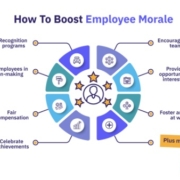
Is your organization struggling with low staff morale? Here are a few telltale signs to watch for:

  1. Absenteeism and Presenteeism
    Low morale often leads to employees either frequently missing work (absenteeism) or coming to work but not fully engaging (presenteeism).
  2. Frequent Conflicts
    While conflict is natural in any workplace, constant or unresolved disputes may signal deeper morale issues.
  3. Disorganization
    Employees who feel disengaged may lack the motivation to maintain a tidy and organized work environment.
  4. Ongoing Complaints
    Regular complaints, especially about minor issues, may indicate dissatisfaction with the overall work culture.
  5. Customer or Client Complaints
    Low employee morale often affects customer service, leading to more frequent complaints about work quality, employee attitudes, or service.

Managers play a crucial role in shaping employees’ attitudes toward their jobs. Management training programs that focus on effective communication, fostering psychological safety, and recognizing employee achievements can significantly improve job satisfaction, morale, and overall team loyalty.

Source:
Wolfe, C. (February 26, 2025). How to Maintain Employee Morale While Fulfilling Your Responsibilities. Loss Prevention Magazine.

Hashtags:
#ProtectionServices #SecurityStandards #PublicSafety #MobileSecurity #SecurityThreats


Loss Prevention in an Uncertain Economic Outlook

Loss Prevention in an Uncertain Economic Outlook

By Frank Costa, President, Nexgen Protection Services

The U.S. economy entered 2025 with momentum, but uncertainty looms as debates over immigration, tariffs, deregulation, and taxes continue to shape the economic outlook. This mix of policy discussions creates a complex and unclear narrative for the future.

Effective retail loss prevention requires a blend of security technologies—such as access control systems, alarm networks, and cybersecurity tools—alongside robust organizational policies and ongoing staff training. However, for these strategies to succeed, leadership must gain full buy-in from employees and continuously refine their approach.

While deregulation and tax cuts could offer a boost, immigration restrictions and tariffs present risks that could negatively impact the economy. Though recent economic data remains strong, the potential for downside risks remains a concern.

The ultimate goal of loss prevention should be to minimize losses before they occur. Achieving this requires a sustainable, proactive program built on three core principles: consistency, visibility, and innovation.

Source:
Wolfe, C. (March 4, 2025). NRF Chief Economist Says Data ‘Remains Strong’ But Public Policy Uncertainties ‘Blur the Economic Outlook’ for 2025. Loss Prevention Magazine.

Hashtags:
#ProtectionServices #SecurityStandards #PublicSafety #MobileSecurity #SecurityThreats


Reducing the Imminent Risk of Lethality Through Sensible Gun Laws and a Culture of Safety

Reducing the Imminent Risk of Lethality Through Sensible Gun Laws and a Culture of Safety

By Frank Costa, President, Nexgen Protection Services

How Sensible Gun Laws Can Help:

  1. Gun Safety
    • Sensible gun laws can reduce easy access to dangerous weapons.
    • We must establish a culture of gun safety.
  2. Reducing Access
    • Firearm access should be restricted for youth and individuals at risk of harming themselves or others.
  3. Accountability
    • The gun industry must be held accountable. There should be adequate oversight regarding the marketing and sale of guns and ammunition.
  4. Engagement
    • We need to engage responsible gun dealers and owners in finding solutions.
  5. Mandatory Training and Licensing
    • Insist on mandatory training and licensing for gun owners.
  6. Safe Storage
    • Require safe and secure gun storage to prevent unauthorized access.

Addressing the Underlying Contributors to Gun Violence:
To reduce risks and build resilience in individuals, families, and communities, we must focus on these key areas:

  1. Public Health Solutions
    • Gun violence should be recognized as a critical and preventable public health issue.
  2. Comprehensive Solutions
    • Support the creation and implementation of community safety plans that prioritize prevention and intervention.
  3. Trauma, Connection, and Services
    • Expand access to high-quality, culturally competent, and coordinated social, emotional, and mental health services. These services should specifically address the impact of trauma.

Source:
Gun Violence Must Stop. Here’s What We Can Do to Prevent More Deaths. Prevention Institute.

Hashtags:
#ProtectionServices #SecurityStandards #PublicSafety #MobileSecurity #SecurityThreats


Response Time Has a Significant Impact on Crisis Outcomes

Response Time Has a Significant Impact on Crisis Outcomes

Frank Costa, President, Nexgen Protection Services, on the Need for Crisis Management

A well-communicated and effectively executed crisis management plan significantly increases the likelihood of mitigating the effects of a crisis, regardless of the circumstances. The response component of a crisis plan must account for the unpredictable nature of emergencies while providing a structured approach to managing related activities. Developing a plan that enables swift, confident, and appropriate responses is essential for effective crisis resolution.

During a crisis, it is crucial to quickly assess the situation, determine its severity, identify the need for medical, police, or fire response, implement evacuation protocols, secure assets, and communicate efficiently with all relevant agencies through a structured system. A primary objective of crisis management planning is to establish standardized responses for these critical actions, ensuring they can be applied to a wide range of crisis scenarios.

In any crisis, delivering a fast, efficient, and appropriate response is vital. This process should be guided by a well-defined crisis response framework, reinforced by strong communication strategies and resources.

Source:
Brittain, J. (February 24, 2025). AP Fundamentals: Crisis Response. Loss Prevention Magazine.

Hashtags:
#ProtectionServices #SecurityStandards #PublicSafety #MobileSecurity #SecurityThreats


Unforeseen Threats Necessitate Enhanced Security in Educational Institutions

Unforeseen Threats Necessitate Enhanced Security in Educational Institutions

Frank Costa, President, Nexgen Protection Services, on the Need for More Robust Security in Schools

In an era of evolving threats and unforeseen challenges, ensuring the safety of students, staff, and faculty in K-12 schools is of paramount importance. Security in educational institutions must go beyond traditional measures, adopting a multilayered, multifactor approach that integrates technology, personnel training, and emergency preparedness.

K-12 security professionals can reduce risk by implementing strategies grounded in the core principles of prevention, mitigation, preparedness, response, and recovery. 

Establishing strong partnerships with local law enforcement, fire departments, and emergency medical services—both during simulations and in real-world scenarios—is essential. Collaboration ensures a swift and coordinated response in emergencies, maximizing the effectiveness of preparedness plans.

Whether it’s students remembering not to prop open exterior doors, teachers understanding the appropriate steps to take during emergencies, or school administrators managing communication with parents and first responders—everyone plays a critical role in maintaining a safe school environment.

Source:
Hanson, B. (March 24, 2025). Ballistic-Resistant Solutions for Schools: Trends and Best Practices. Security Magazine.

Hashtags:
#ProtectionServices #SecurityStandards #PublicSafety #MobileSecurity #SecurityThreats


Loss Prevention Strategies

Loss Prevention Strategies for Combating Organized Retail Theft

Frank Costa, President of NEXGEN Protections Services on Loss Preventions Strategies:

Organized retail theft (ORT) impacts more than just a retailer’s bottom line; it creates dangerous environments for both staff and shoppers. The increasing incidents of violence and aggression have pushed retailers to invest heavily in loss prevention strategies. In response, major retailers are partnering with technology innovators to strengthen their defenses. 

(ORT) involves coordinated efforts by professional thieves to steal large quantities of merchandise from retail stores. Unlike casual shoplifting, ORT is systematic, with stolen goods often resold through various channels, including online marketplaces. This form of theft has seen a significant rise in recent years, resulting in billions of dollars in annual losses for retailers.

Companies such as Walmart, Target, Lowe’s, Kroger, Macy’s, CVS, and others are at the forefront, using cutting-edge technology to deter and detect criminal activity. From advanced video surveillance systems to biometric cameras and autonomous security robots, retailers are deploying a formidable arsenal to combat the growing threat of ORT. Central to this technological revolution is the integration of artificial intelligence (AI), which enhances the sophistication and effectiveness of existing security measures.

Source:
Danielson, R. (February 20, 2025). Retail Resilience: Technology Strategies to Combat Organized Theft. Security Magazine.
Hashtags: #protectionservices #securitystandards #publicsafety #mobilesecurity #securitythreats