
Posts

In the AI era, data is power — and a prime target.

In the AI era, data is power — and a prime target.

Frank Costa, President, Nexgen Protection ServicesBy Frank Costa, President, Nexgen Protection Services


To protect data, security and development teams must break silos and work together from day one.
Secure-by-design is no longer optional — it’s essential.

#CyberSecurity #AI #DevSecOps #DataProtection #SecureByDesign #InfoSec #AIethics #SecurityFirst #AppSec #HigherEdTech #DigitalTransformation


Source:
Reiter,R.Security and Development Teams Should Work Together to Protect Data in the AI Era (July 17, 2025) Security Magazine. 


Universities are increasingly in the crosshairs of hacktivist groups.

Universities are increasingly in the crosshairs of hacktivist groups.

By Frank Costa, President, Nexgen Protection Services

Driven by political or social agendas, these cyberattacks go beyond defacing websites — they now threaten research data, infrastructure, and campus operations.

No longer limited to protests or digital graffiti, hacktivists are increasingly targeting critical infrastructure — putting public safety and national security at risk.

Awareness and resilience are more important than ever. It’s time for higher ed to strengthen cyber defenses.

#HigherEd #UniversitySecurity #Hacktivism #CyberSecurity #CampusSafety #InfoSec #DigitalThreats #CyberAwareness #EducationSecurity #DataProtection #CyberResilience


Source:

Alger, J. Hacktivism Increasingly Targeting Critical Infrastructure.(July 19, 2025) Security Magazine 


The Key to Efficient Hospitality Operations

The Key to Efficient Hospitality Operations

Frank Costa, President, Nexgen Protection Services

In hospitality, seamless guest experiences rely on efficient behind-the-scenes operations. While mobile check-in and digital keys are guest-facing innovations, staff still depend on physical keys to access critical areas across large properties.

That’s where intelligent key cabinets come in. These smart systems automate key distribution, track usage in real time, and integrate with existing access control platforms. The result? Reduced security risks, increased accountability, and more efficient staff workflows.

Outdated peg boards and manual logs can’t match the security and efficiency these digital solutions offer — helping hospitality teams focus on what matters most: the guest experience.

#HospitalityManagement #SmartSecurity #KeyManagement #HotelOperations #AccessControl #WorkplaceEfficiency #DigitalTransformation #HospitalityTech


Source: 

Rojas, F. The Key to Efficient Hospitality Operations (July 18, 2025). Security Magazine. 


Smarter Security

The Future of Protection: Blending Human Guards with Autonomous Technology for Smarter Security

By Frank Costa, President, Nexgen Protection Services

Smarter Security

As threats to businesses and critical infrastructure become more complex, so too must the strategies used to counter them. The most effective modern security systems are no longer reliant on just one layer of protection—they are hybrid solutions that combine the strengths of both human guards and autonomous technologies.

Human guards bring intuition, decision-making, and empathy—qualities that are essential for interacting with the public, making judgment calls, and managing evolving situations in real time. They’re the face of security, trained to de-escalate, assess intent, and respond with authority.

Autonomous systems—such as security drones, robotics, AI-powered surveillance, and sensor-based analytics—offer unmatched consistency, scalability, and 24/7 monitoring capabilities. They detect anomalies, track movement, and process vast amounts of data faster than any human can.

When integrated into a comprehensive security ecosystem, these two forces create a powerful synergy. Autonomous tools handle routine surveillance, access control, and early threat detection, while human officers are freed to focus on complex scenarios that require critical thinking and interpersonal skill.

The result? Enhanced situational awareness, quicker response times, and a stronger, smarter protective posture across your entire facility or campus.

Smarter security. This is not the future of security—it’s happening now.

Hashtags:

#IntegratedSecurity #SmartSecurity #AutonomousSecurity #HumanAndMachine #SecurityInnovation #AIinSecurity #SecurityRobotics #HybridSecurity #SecurityTechnology #PhysicalSecurity #SecuritySystems #CorporateSecurity #FutureOfSecurity #SurveillanceSolutions #SecurityTransformation

Source: 

Reinharz,S. A new era in property protection: Security officers & security robots. (August 6, 2023). Security Magazine. 


In the private security industry, leadership is not just about titles or seniority—it’s about accountability

Defining Leadership in Private Security: More Than a Rank, It’s a Responsibility

By Frank Costa, President, Nexgen Protection Services

In the private security industry, leadership is not just about titles or seniority—it’s about accountability, vision, and the ability to inspire trust in both teams and clients. Strong leaders in security understand that they are not only managing operations, but also shaping the culture of safety and professionalism within their organizations.

True leadership in private security means setting high standards—both in conduct and performance. It means leading by example, staying calm under pressure, and making decisions rooted in both strategy and ethics. Whether in corporate protection, event security, or critical infrastructure, the best leaders combine operational knowledge with emotional intelligence.

They train continuously, embrace new technologies, and adapt to emerging threats. They know how to empower frontline officers, build trust with clients, and foster a team environment that prioritizes accountability and growth. Most importantly, they recognize that effective security leadership is proactive, not reactive.

In an industry that often operates behind the scenes, leadership is the quiet force that drives reliability, professionalism, and long-term success.

Source: Security Responder Magazine

#PrivateSecurity #SecurityLeadership #SecurityManagement #SecurityProfessionals #LeadershipInSecurity #ProfessionalSecurity #SecurityOperations #RiskManagement #TeamLeadership #SecurityIndustry #SecurityCulture #SecurityTraining #SecurityResponderMagazine


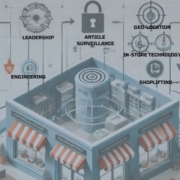
Enhancing-Retail-Security-with-a-Holistic-Loss-Prevention-Strategy.

Enhancing Retail Security with a Holistic Loss Prevention Strategy

By Frank Costa, President, Nexgen Protection Services

In the competitive world of retail, the battle against inventory shrinkage is more critical than ever. 

Every lost item not only impacts the bottom line but also threatens the very essence of trust between retailers and their customers. To reclaim these losses and fortify their profits, retailers must embrace a multifaceted loss prevention retail security that combines innovation, vigilance, and community engagement. Here’s how they can turn the tide:

Harness Cutting-Edge Technology: Imagine a world where inventory is tracked in real-time, where every item is accounted for through advanced RFID technology and barcode scanning systems. With the power of artificial intelligence and machine learning, retailers can not only monitor their stock but also predict theft patterns before they escalate. This proactive approach not only protects profits but also fosters a culture of accountability.

Invest in Employee Empowerment: Your employees are your first line of defense against shrinkage. By providing comprehensive training on loss prevention techniques, customer interaction, and recognizing suspicious behavior, retailers can transform staff into vigilant protectors of inventory. When employees feel empowered and knowledgeable, they become enthusiastic partners in safeguarding the store.

Commit to Regular Audits: Consistency is key. Frequent inventory audits and surprise spot checks uncover discrepancies early, allowing retailers to address issues before they spiral out of control. This commitment to diligence not only protects assets but also reinforces a culture of transparency and responsibility.

Reimagine Store Layouts: The design of a store can significantly influence loss prevention. By strategically organizing the store layout to minimize blind spots and placing high-value items in visible locations, retailers can deter theft while enhancing the shopping experience. A well-thought-out design makes it harder for potential thieves to act unnoticed.

Fortify Security Measures: The presence of surveillance cameras, security tags, and alarms sends a clear message: theft will not be tolerated. Regularly maintaining and updating these retail security systems is essential to staying one step ahead of potential thieves. The more fortified the store, the less appealing it becomes to would-be criminals.

Establish Transparent Policies: Clear communication is vital. By outlining transparent retail security  loss prevention policies for both staff and customers, retailers create a mutual understanding of the importance of security. When everyone knows the rules and consequences of theft, it fosters a sense of community and shared responsibility.

Create an Engaging Environment: A positive shopping experience can deter theft. Engaged employees who interact with customers create an atmosphere that discourages would-be shoplifters. When customers feel welcomed and valued, they are less likely to engage in dishonest behavior.

Collaborate with Local Law Enforcement: Building strong relationships with local law enforcement not only enhances retail security measures but also cultivates community awareness around theft prevention. Regular communication with law enforcement can lead to timely responses to incidents, further safeguarding the retail environment.

Monitor Employee Behavior: While external theft is a concern, internal theft can be equally damaging. Implementing systems to monitor employee activities helps prevent internal losses, ensuring that trust and integrity remain at the forefront of the retail operation.

Encourage Open Reporting: Establishing a safe, anonymous channel for employees and customers to report suspicious activities is crucial. This transparency empowers individuals to speak up without fear of reprisal, creating a united front against theft.

By weaving together these retail security strategies, retailers can not only reduce inventory shrinkage but also cultivate an environment of trust and integrity. In doing so, they pave the way for enhanced profitability and a brighter future in the retail landscape. Every effort counts in this ongoing battle, and with the right approach, retailers can emerge victorious.

Source:
How to Reduce Retail Inventory Shrink. (2025, November 10). https://www.resolver.com.

Hashtags:
#InventoryShrink #RetailLossPrevention #ShrinkReduction #RetailSecurity #Profitability #InventoryManagement #TheftPrevention #EmployeeTraining #TechnologyInRetail #StoreDesign #CommunityEngagement #RetailStrategies


Tech-Driven-Solutions-Are-Transforming-Retail-Loss-Preventio

Tech-Driven Solutions Are Transforming Retail Loss Prevention

By Frank Costa, President, Nexgen Protection Services

Shrinkage isn’t just a back-office problem—it’s a bottom-line killer. Whether you’re running a nationwide retail chain or a single storefront, inventory loss is eating away at profits and productivity. And in today’s fast-paced, tech-savvy world, it’s time for loss prevention strategies to evolve.

Retail Shrink: A Hidden Threat with Visible Impact
Retail shrink—when your inventory records don’t match what’s actually on the shelves—is a problem that costs retailers billions each year. While theft, both external (shoplifting) and internal (employee theft), accounts for a staggering 65–70% of that loss in some sectors, it’s not the whole story. Clerical errors, vendor fraud, and process gaps can all silently chip away at margins.

The key to stopping shrink isn’t just identifying where it’s happening—it’s about proactively building smarter systems and embracing change across your entire organization.

Top Drivers of Shrinkage
Here’s where most of the losses occur:

  • Shoplifting: Still the most common form of loss, increasingly bold and organized.
  • Clerical Errors: Simple mistakes in tracking, receiving, or recording inventory.
  • Fraud: Includes return fraud, vendor scams, and even digital fraud via online platforms.

How to Make Change Management Work in Loss Prevention

Technology alone won’t fix shrinkage. Success lies at the intersection of smart tools and strong change management. Here’s how to bring your entire team on board and make it stick:

  1. Educate the Entire Organization—Early and Often
    Everyone plays a role in loss prevention. From cashiers to warehouse staff, consistent and ongoing training creates a culture of awareness and accountability.
  2. Define Key Stakeholders
    Clearly identify who’s responsible for what. When leaders in operations, IT, and asset protection collaborate, loss prevention becomes a shared mission—not a siloed one.
  3. Plan to Integrate Solutions
    Don’t let technology become a tangled mess. Plan for how your various tools—like surveillance, RFID, POS analytics—will work together to give you a full picture.
  4. Measure Success and Celebrate It
    Track improvements, share results, and recognize wins. When teams see their efforts making an impact, it fuels motivation and deeper engagement.

Final Thought
Retail shrink isn’t inevitable. With the right combination of innovative tech and effective organizational change, loss prevention can shift from reactive damage control to proactive protection.

#RetailSecurity #LossPrevention #ShrinkageSolutions #ChangeManagement #RetailTech #AssetProtection

Source:
Simplifying transformation in retail safety and security. (2024, November 4) https://www.auror.co.


Ten-Smart-Retail-Loss-Prevention-Strategies-That-Actually-Work

Ten Smart Retail Loss Prevention Strategies That Actually Work

By Frank Costa, President, Nexgen Protection Services

In retail, every item that walks out the door unpaid is more than just a loss—it’s a missed opportunity and a hit to your bottom line. Whether it’s due to shoplifting, employee theft, or simple human error, shrinkage can quietly erode your profits if you’re not actively combating it.

Thankfully, retail loss prevention strategies have evolved well beyond the old-school security tag. Today’s smart retailers are combining classic tactics with cutting-edge technology to stop theft before it starts. Whether you’re running a boutique or managing a multi-store operation, here are 10 proven strategies to help you safeguard your inventory and keep your profits intact.

1. Embrace RFID Technology

Radio-frequency identification (RFID) lets you track items in real time, offering better visibility into your stock and faster responses to potential theft.

2. Design Your Store with Security in Mind

Strategically arrange displays and fixtures to eliminate blind spots and improve sightlines—both for your staff and your cameras.

3. Upgrade to Smart Surveillance

Modern surveillance systems use AI and analytics to detect suspicious behavior and alert your team in real time to mitigate loss prevention.

4. Train Your Team to Spot Red Flags

Regular employee training sessions build awareness and help your staff recognize the subtle signs of theft or fraud.

5. Use a Fraud-Savvy POS System

Today’s point-of-sale systems can do more than ring up sales—they can flag suspicious transactions and deter internal theft.

6. Deploy Smart Shelving Solutions

Shelves equipped with sensors or weight detection can alert staff if items are removed unexpectedly, providing a proactive layer of security.

7. Keep an Eye on Your Data

Sales data is a goldmine. Analyzing it for unusual patterns can help identify retail loss prevention issues before they spiral out of control.

8. Lock Down Cash Handling Procedures

Tight controls over how cash is managed—from drawer counts to deposits—reduce the chances of skimming or internal fraud.

9. Run Regular Audits

Periodic reviews of your inventory and financial records ensure nothing slips through the cracks—and let employees know you’re paying attention.

10. Leverage Loss Prevention Software

Specialized software can help identify vulnerabilities, track trends, and optimize your retail loss prevention strategy over time.

Your business might not have a full-time loss prevention team, but that doesn’t mean you’re unarmed. By implementing smart, strategic solutions, you can dramatically reduce shrink and build a stronger, more secure operation.

#RetailSecurity #LossPrevention #ShrinkReduction #SmartRetail #InventoryManagement #RetailSuccess #RetailTech #POSSecurity #RetailTips #RetailStrategy

Source:
Parker, J. 10 Effective Retail Loss Prevention Strategies for Success. (May 20, 2024). fishbowlinventory.com.


The-Right-Security-Guard-Software-Can-Keep-Your-Team-Organized-Safe-and-Ready-for-Anything

The Right Security Guard Software Can Keep Your Team Organized, Safe, and Ready for Anything

By Frank Costa, President, Nexgen Protection Services

Today’s security operations demand more than just boots on the ground. To run an efficient, accountable, and responsive team, you need the right technology behind the scenes—technology that doesn’t just track your guards but empowers them.

Security guard software should act as your digital command center: helping you manage patrols, document incidents, streamline communication, and ensure compliance—without bogging you down in paperwork or outdated systems.

Here are the 10 key features your security patrol software must have to keep your team operating at its best:

1. Real-Time Tracking & Monitoring

Know exactly where your guards are and what they’re doing at any moment. Live GPS tracking provides visibility and accountability, instantly.

2. Mobile Accessibility

Let your team work from anywhere. Cloud-based apps ensure guards can clock in, report incidents, and receive instructions on the go.

3. Fast, Detailed Incident Reporting

A good platform lets guards quickly log incidents with photos, videos, and notes—keeping you compliant and your clients informed.

4. Smart Scheduling & Shift Management

Ditch the spreadsheets. Efficient scheduling tools reduce no-shows and help assign the right guard to the right post, every time.

5. Built-In Communication Tools

Secure messaging and alerts keep your team in sync and ready to respond in real time—no more missed calls or radio static.

6. Seamless Integration with Your Existing Tools

Whether it’s HR software, payroll systems, or access control, your patrol software should connect smoothly with the rest of your tech stack.

7. Data Security & Compliance Built In

Ensure your client data and operational records are protected. Look for software that meets industry standards for encryption and privacy.

8. Scalability & Customization

As your team grows, your software should grow with you. Choose a solution that adapts to your needs, whether you’re managing 5 guards or 500.

9. Professional Reports for Teams and Clients

Generate clean, detailed reports that impress clients and help you track trends, measure performance, and improve operations.

10. Reliable Vendor Support & Training

Even the best software is only as good as the team behind it. Make sure your provider offers strong onboarding, training, and tech support when you need it.

Security software isn’t just about surveillance—it’s about support. The right tools can boost accountability, streamline operations, and free up your time to focus on what really matters: protecting people and property.

Don’t settle for software that only checks boxes. Choose a solution that powers up your entire operation.

#SecurityTech #GuardManagement #PatrolSoftware #SecurityOperations #IncidentReporting #WorkforceManagement #SecuritySoftware #FieldOpsTech #ComplianceTools #TeamEfficiency


Source:
10 Guard Patrol Software Features Your Company Needs in 2025. (May 12, 2025). belfrysoftware.com.


ech-vs.-Talent-Why-the-Best-Security-Still-Needs-a-Human-Touch

Tech vs. Talent: Why the Best Security Still Needs a Human Touch

By Frank Costa, President, Nexgen Protection Services

Security has always been about one thing: protecting people, property, and peace of mind. In cities like New York—where the pace is fast and the risks are real—security guards have long served as the frontline defense. But in recent years, the rise of smart surveillance, AI, and real-time monitoring tools has sparked a new debate: Can technology replace trained security personnel?

Spoiler alert: it can’t—and here’s why.

Tech Tools Are Powerful Allies

There’s no question that modern technology has elevated the security game. From facial recognition cameras and drone patrols to AI-powered analytics and remote monitoring systems, these tools offer unprecedented oversight and efficiency. They can track suspicious behavior, monitor large areas 24/7, and provide real-time alerts at a speed no human can match.

But here’s the key: technology is a tool, not a strategy. It’s most effective when paired with trained professionals who know how to interpret, act, and adapt in real-world scenarios.

Can Technology Provide Security on Its Own? Not Quite.

Technology doesn’t de-escalate a heated argument. It doesn’t comfort a frightened customer. It doesn’t chase down a fleeing intruder. And it certainly doesn’t make judgment calls in complex, unpredictable situations.

Even the most advanced systems need human oversight. A camera might spot a threat—but only a trained guard can assess intent, intervene calmly, and manage the outcome.

Why Trained Security Guards Still Lead the Way

Security guards bring something technology can’t replicate: intuition, presence, and real-time decision-making. They understand context, body language, and emotional cues—critical components of real-world security. Their presence alone acts as a deterrent, while their training enables them to respond quickly and appropriately when it matters most.

The Winning Formula: People + Technology

At Nexgen Protection Services, we believe the best approach isn’t choosing between guards and gadgets—it’s combining both. When you pair highly trained security personnel with cutting-edge tools, you get smarter, faster, and more effective protection.

Technology may evolve, but nothing replaces the value of human expertise. For true peace of mind, choose a team that brings the best of both worlds.

#SecurityTechnology #HumanTouch #SecurityGuards #SmartSecurity #IntegratedSecurity #NYCSecurity #SurveillanceTech #NexgenProtection #SecuritySolutions #PeaceOfMind

Source:
Kozhar, G. (January 30, 2020). Technology Solutions or Trained Security Guards in New York: Which Should You Choose? nyguards.com.