
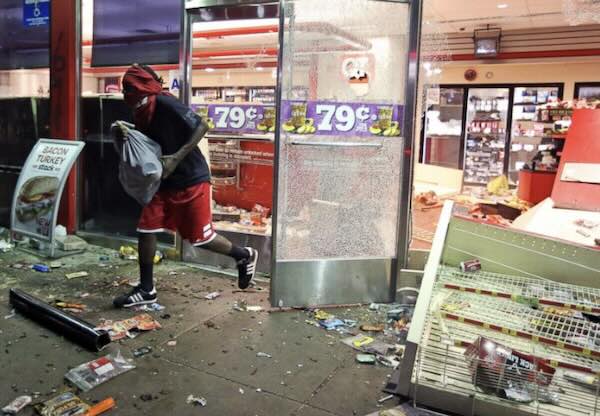
Retailers have become increasingly vulnerable to riots and looting.
Frank Costa, President Nexgen Protection Services –
Businesses must strike a balance between providing a seamless shopping experience and implementing robust security measures.
Modern surveillance systems incorporate high-resolution cameras that provide clear, detailed footage of your store. AI-powered surveillance can identify suspicious activity, track customer movements, and even analyze customer behavior to optimize store layouts and product placements.
Staying updated with these technologies is not just a matter of protecting your assets; it’s about providing a secure, enjoyable shopping experience for your customers.
SOURCE:
Wolfe, C., Storefront Security and Emergency Response 2024, 07.09.2024.
#protectionservices #securitystandards #publicsaftey #mobilesecurity #securitythreats

Situational Crime Prevention (SPC) is a Primary Prevention Measure
Frank Costa, President Nexgen Protection Services –
Situational crime prevention (SCP) is a primary prevention strategy that aims to reduce the likelihood and severity of crime by making it more difficult for criminals to commit acts or by reducing the rewards. SCP focuses on changing the situation rather than the characteristics of criminals.
SCP is based on two theoretical premises: opportunity theory, which states that opportunity makes the thief, and rational choice theory, which states that offenders make choices. SCP techniques can fall into five main categories:
Increasing risk – This can be done by reducing the number of suitable targets, adding guardians, or increasing surveillance.
Reducing rewards – This can be done by making it harder for criminals to climb buildings or structures, or by using anti-theft paint to identify stolen items.
Reducing provocations – This can be done by removing excuses that offenders may use to justify their actions.
Removing excuses – This can be done by sloping seats at bus shelters to prevent people from sleeping on them.
Increasing effort – This can be done by improving street lighting.
SOURCE:
Burton, B., Situational Crime Prevention: An Introduction, LPRC Research Center, 07.24.2024.
#protectionservices #securitystandards #publicsaftey #mobilesecurity #securitythreats

Protecting Precious Cargo Throughout the Supply Chain
Frank Costa, President Nexgen Protection Services –
Stolen cargo can cost suppliers thousands to upwards of millions of dollars. The consequences of not sufficiently protecting cargo can be devastating, ranging from financial loss and damaged reputation to long-term, intricate legal disputes. And, today’s thieves are now highly tech-savvy and constantly developing modern ways and strategies to steal cargo from shippers.
Most theft crimes are not investigated because of manpower issues, so it is imperative that carriers take the necessary measures to prevent theft. Provide security training to all personnel, because everyone should be involved with protecting customer freight and company assets.
SOURCE:
Wolfe, C., Protecting Precious Cargo Throughout the Supply Chain, Loss Prevention Magazine, 04.22.2024.
#protectionservices #securitystandards #publicsaftey #mobilesecurity #securitythreats