

The Presence of Security is Still The Best Deterrent to Crime
Frank Costa, President Nexgen Protection Services –
CVS, Target and other chains have barricaded everything from toiletries to cleaning supplies. It’s backfired in almost every way. Different products experience different theft rates, depending on store location and other factors.
Beyond the financial impact of these crimes, the violence and concerns over safety continue to be the priority for all retailers. Professional security services is a strong deterrent, forcing criminals to think twice before they try to steal something. Security guards also handle vandalism and disturbances, ensuring customers’ shopping experience remains peaceful.
SOURCE: Mull, A., Retailers Locked Up Their Products—and Broke Shopping in America, Bloomberg.com, 8/01/2024.
#protectionservices #securitystandards #publicsaftey #mobilesecurity #securitythreats
Employee Safety in the Face of Organized Retail Crime
Frank Costa, President Nexgen Protection Services –
The rash of flash-mob-style robberies in Los Angeles prompted several task forces of local and federal agencies to target the thefts, as well as work with retailers to enhance security and deterrence measures.
To overcome the ongoing threat of organized retail crime, pairing safety technology and ongoing safety training can keep employees and customers safe.
SOURCE:
Hernandez, S. Smash-and-grab robbers coordinated crimes on social media. Eight culprits now face prison, Los Angeles Times. 7/30/2024.
#protectionservices #securitystandards #publicsaftey #mobilesecurity #securitythreats

Video Surveillance is Critical for Safety and Security
Frank Costa, President Nexgen Protection Services –
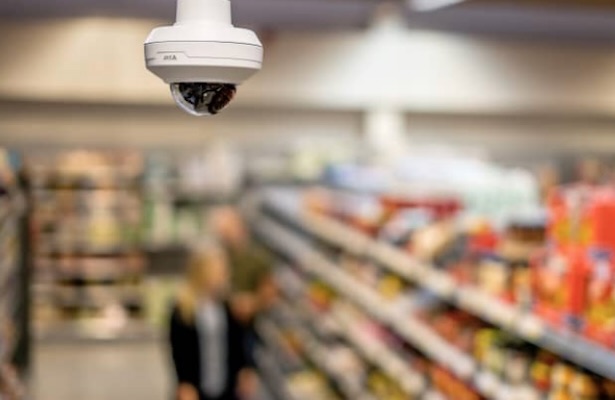
Video surveillance plays a major safety and security role at all types of facilities, and the technology has come a long way over the years. Cameras with powerful processors will be able to do more edge processing of video data than ever before.
With technology changing so quickly, it’s more important than ever to educate the industry about how these exciting technologies can be used to protect assets.
SOURCE: 2024 Trends in Video Surveillance, Security Today. 2024.
#protectionservices #securitystandards #publicsaftey #mobilesecurity #securitythreats