
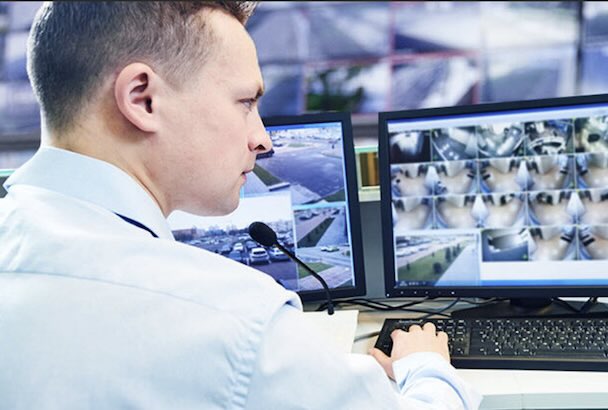
Remote Loss Prevention Monitoring Enables Businesses to Secure Operations from Anywhere
Frank Costa, President Nexgen Protection Services –
In-person loss prevention and security audit for retail locations isn’t going away any time soon, and shouldn’t. Sometimes you just need to visit a place, if only to show the frontline workers that you genuinely care and are serious about theft and loss, and nothing can replace walking through a retail space with the on-site leader.
Remote video monitoring allows businesses to conduct loss prevention audits from anywhere. This has a couple major benefits over traditional loss prevention audits:
- It’s cheaper because you don’t need to travel to a location to conduct the audit. .
- It’s faster, so you can audit more stores in a day and increase the frequency of your audits
Today, asset protection professionals are being asked to do more with less these days. Remote loss prevention and security audits allow field workers and leaders to do just that.
SOURCE:
Langley, C. Loss Prevention And Security Audits In Retail. Security Informed, September 2024.
#protectionservices #securitystandards #publicsaftey #mobilesecurity #securitythreats

Physical Security Provides a Secure, Stable and Healthy Workplace
Frank Costa, President Nexgen Protection Services –
The range, value, and tampering sensitivity of merchandise passing through e-commerce portals is vast, throwing up new challenges for security details. Protection against theft, against threats to staff, and against tampering, sabotage and the reputational damage resulting are the top priorities.
Physical security serves as a shield for such workers against unauthorized access while protecting against theft, vandalism, and violence.
In workplaces, educational facilities and other public spaces, physical security is the first line of defense. It not only prevents unauthorized entry but also creates a sense of safety and calmness. Providing a secure, stable and healthy workplace is an asset to retention and productivity.
SOURCE:
Fisher, M. Distribution Facilities Ramp Up Safety Measures. The Urban Developer, 09/222024
#protectionservices #securitystandards #publicsaftey #mobilesecurity #securitythreats

Integrated Technologies are Transforming School Safety
Frank Costa, President Nexgen Protection Services –
An active shooter situation is often cited as being extremely rare among school violence incidents in our country. Nevertheless, when one occurs, it’s always devastating, often unpredictable, and evolves quickly. Whether at a school, a house of worship, or anywhere for that matter, one is still too many.
Today’s integrated technologies are transforming school safety approaches, enabling districts of all sizes to implement effective, scalable security solutions. These systems address unique local needs and facilitate compliance with emerging legislation. By leveraging the power of interconnected systems and devices, real-time communication, and data insights, schools can create a flexible and responsive security infrastructure that is efficient and effective.
SOURCE:
Securing K-12 Schools From the Inside Out. Security Today, August 2024.
#protectionservices #securitystandards #publicsaftey #mobilesecurity #securitythreats