
Shifting from Reactive to Proactive Retail Security: A Must for the Modern Retailer
Frank Costa, President, Nexgen Protection Services
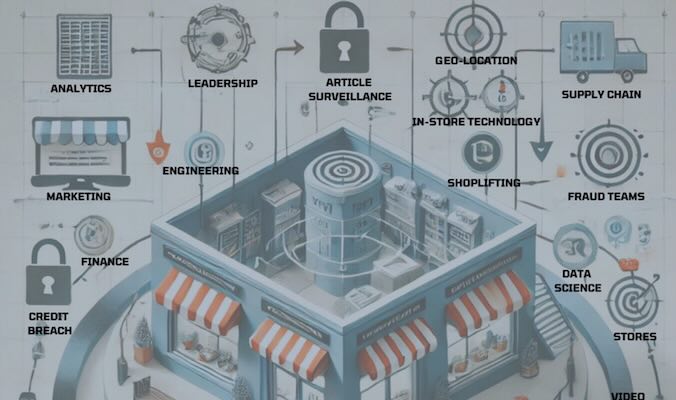
In retail, traditional reactive security measures—like loss prevention officers and cameras—are no longer enough. As threats become more complex, retailers need to adopt a proactive approach, embedding risk management into daily operations and leveraging real-time data to stay ahead.
Why Proactive Security Matters:
- Reduced Losses: Anticipate and mitigate risks before they cause significant damage.
- Enhanced Customer Experience: A safer, more secure shopping environment fosters customer trust.
- Operational Efficiency: Streamlined processes and data-driven decisions minimize disruptions.
- Stronger Brand Reputation: Brands that take security seriously earn loyalty.
How to Make the Shift:
- Integrate Risk Management: Security should be part of every business function, not just a separate department.
- Leverage Data: Use data analytics and AI to identify patterns and predict potential threats in real-time.
- Empower Employees: Train staff to spot and respond to issues, making them a critical part of the security strategy.
- Utilize Predictive Analytics: Forecast risks using historical data to prevent future incidents.
- Secure the Supply Chain: Proactive security extends beyond the store to your entire supply chain.
- Adopt Holistic Security: Combine physical, digital, and operational security for a comprehensive approach.
Tech’s Role:
- AI & Machine Learning: Detect anomalies and forecast risks before they happen.
- Video Analytics: Use real-time insights to respond to suspicious activities.
- Mobile Solutions: Enable staff to act quickly on security issues from anywhere.
Retailers who move from reacting to proactively managing security will safeguard their future, reduce losses, and enhance both customer and employee experiences.
#RetailSecurity #LossPrevention #ProactiveSecurity #RiskManagement #DataAnalytics #AI #MachineLearning #SupplyChainSecurity #RetailInnovation #CustomerExperience #BusinessStrategy #RetailTech
Source:
Matas, J. CFE, CFCI. Ending the Retail Defense Paradigm (May 7, 2025). Loss Prevention Magazine.

The tragic death of an unarmed security guard an absolute heartbreak.
Five people, including a New York City police officer, died in a shooting in Manhattan. Suspected gunman Shane Devon Tamura died of a self-inflicted gunshot wound.
Frank Costa, President, Nexgen Protection Services
As a security guard myself, it’s a sobering reminder of the dangers we face on the job, especially when working in high-risk areas or with individuals who may not be mentally stable. We are tasked with maintaining safety and order, but too often, our profession is overlooked when it comes to the risks we take daily.
No one should ever have to lose their life simply for doing their job, and it’s gut-wrenching that this happened. I think we all need to reflect on the kind of protections and training that security personnel should receive, especially in situations where we’re dealing with potentially dangerous individuals. It’s not just about monitoring cameras and checking IDs; it’s about being prepared for unpredictable situations, and too often we’re left to fend for ourselves.
My heart goes out to the family of the fallen guard, and I hope this event sparks a much-needed conversation about the safety, support, and respect that security workers deserve. It’s time for a serious reevaluation of how we as a society value and protect those who are tasked with protecting others.
Source: DeTurris, D. Security guard killed by Shane Tamura in NYC shooting was dad of 6-year-old who doesn’t know about father’s death (July, 29, 2025) NY Post.

Elite Security Requires More Than a Badge — It Requires Precision, Adaptability, and Vigilance
Frank Costa, President, Nexgen Protection Services
The attempted assassination of then-presidential candidate Donald Trump in July 2024 exposed deep cracks in what should be one of the most elite security protection units in the world.
Six Secret Service agents were recently suspended after an independent review revealed serious operational failures. The report was blunt:
“The Secret Service has become bureaucratic, complacent, and static—even though risks have multiplied and technology has evolved.”
This is a wake-up call not just for federal agencies, but for all organizations relying on security to protect high-profile individuals, executives, and public events.
✔️ Qualified security teams must train for evolving threats, not yesterday’s challenges
✔️ Leadership and accountability are non-negotiable
✔️ Technology, intelligence, and coordination must work hand-in-hand with human readiness
Whether in government, business, or the private sector, protection in today’s environment cannot be reactive or routine. It must be intentional, dynamic, and backed by people who are trained to operate under extreme pressure.
Lives depend on it.
#ExecutiveProtection #HighRiskSecurity #SecurityLeadership #SecurityFailures #ProtectiveServices #SecurityAccountability #ThreatPreparedness #RiskMitigation #EliteSecurity #CloseProtection
Source:
Margolin,J. 6 Secret Service agents suspended over conduct during attempted Trump assassination
The July 2024 incident left Trump’s ear bloodied and a firefighter killed. (July 9, 2025). ABC News.