

Navigating Different Work Styles that May Clash with Your Own
By Frank Costa, President, Nexgen Protection Services
“You can’t always pick your colleagues, but you can find the best way to work together—even with others whose work styles may clash with your own” (ASIS International, 2025).
For leaders and teams, this means:
- Adapt communication to bridge style gaps
- Focus on shared goals, not differences
- Leverage strengths to complement weaknesses
- Build collaboration habits that turn friction into innovation and productivity
Effective teamwork isn’t about liking everyone—it’s about working smart together.
#Leadership #Teamwork #Collaboration #WorkplaceCulture #EmployeeEngagement #ConflictResolution #ProfessionalGrowth #SecurityManagement #ThoughtLeadership
Source:
ASIS International. (2025). Working effectively with colleagues whose styles differ from your own. Security Management. Retrieved from https://www.asisonline.org/security-management-magazine/articles/2025/10/

Closing Critical Security Gaps
By Frank Costa, President, Nexgen Protection Services
Leaders today face evolving threats that demand a new framework: visibility, adaptive defense, and identity-infused response (ASIS International, 2025).
This approach shifts security from reactive to proactive—helping organizations anticipate risks, protect assets, and empower people. In a world where threats move fast, integrating identity into your defense strategy isn’t optional—it’s essential.
#SecurityLeadership #RiskManagement #AdaptiveDefense #IdentitySecurity #OrganizationalResilience #CyberSecurity #SecurityManagement #ThoughtLeadership
Citation:
ASIS International. (2025). Closing a critical security gap: Visibility, adaptive defense, and identity-infused response. Security Management. Retrieved from https://www.asisonline.org/security-management-magazine/articles/2025/10/
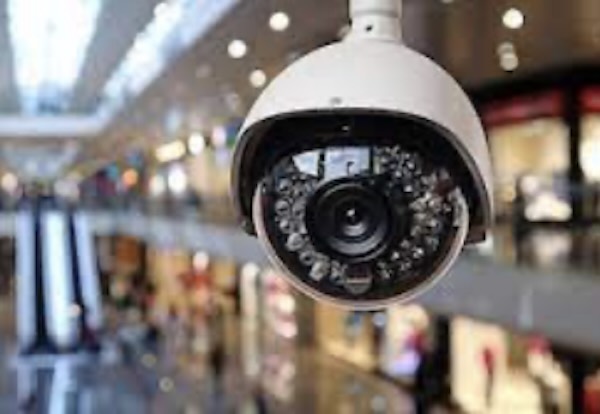
Protecting Public Spaces: The Balance Between Safety & Rights
By Frank Costa, President, Nexgen Protection Services
“Protecting public spaces is a delicate balancing act that must support safety while respecting and recognizing constitutionally given rights to lawfully access these sites.” (ASIS International, Security Management, 2025) ASIS International
For leaders in public-space and facility management:
- Recognize that open access is a civic right, not just an operational challenge.
- Adopt strategies that protect without transforming our shared environments into fortified zones.
- Train security teams to distinguish between lawful activity and actionable behavior—so civil liberties remain at the core of your security posture.
- View security and accessibility not as opposites—but as complementary pillars of community trust and resilience.
#PublicSafety #SecurityLeadership #RightsAndAccess #FacilityManagement #UrbanSecurity #ThoughtLeadership #SecurityManagement #SharedSpaces #RiskMitigation #CommunityTrust