

Spotting and Shutting Security Gaps in Healthcare
Spotting and Shutting Security Gaps in Healthcare Visitor Management
Frank Costa, President, Nexgen Protection Services
Hospitals and healthcare facilities are facing an increasingly complex risk landscape — from unauthorized access and patient privacy breaches to workplace violence and operational disruptions. In this environment, identifying security gaps before an incident occurs can make all the difference.
Visitor management is a critical frontline defense. Every person who enters a facility — whether a patient, family member, contractor, vendor, or volunteer — represents a potential point of vulnerability. Without proper procedures, bad actors or accidental breaches can compromise safety, privacy, and compliance.
ASIS International emphasizes that robust visitor management systems integrate credentialing, access control, monitoring, and audit trails to reduce risk and ensure accountability (ASIS International, 2020). Effective systems not only track who is in the facility but also help identify unusual patterns or behaviors that may indicate a security threat.
Practical strategies for healthcare security leaders include:
- Implementing pre-registration and verification for all visitors
- Using ID badges, wristbands, or digital credentials tied to access levels
- Monitoring entrances and high-risk areas with video and patrols
- Maintaining audit logs and regular reviews to detect anomalies
- Training staff to recognize and escalate suspicious behavior
By proactively closing security gaps in visitor management, healthcare organizations protect patients, staff, and sensitive data, while maintaining a safe and welcoming environment. Security is not just about responding to incidents — it’s about anticipating risk and building trust through vigilance.
Reference (APA 7th ed.)
ASIS International. (2020). Healthcare security guidelines: Visitor management and access control. ASIS International.
#HealthcareSecurity #VisitorManagement #SecurityProtection #RiskManagement #PatientSafety #OperationalResilience #HospitalSecurity #AccessControl #SecurityLeadership #WorkplaceSafety

Teamwork Is Your Greatest Security Protection
By Frank Costa, President, Nexgen Protection Services
In high-risk or hostile environments, technology and procedures matter — but nothing protects you more than knowing your team has your back. Physical barriers, surveillance systems, and access controls are critical, yet the human element — trust, coordination, and mutual support — is often the most effective layer of protection.
Security professionals, whether in corporate settings, critical infrastructure, or executive protection, thrive when teams operate with shared awareness, clear communication, and mutual accountability. Each member becomes a force multiplier, capable of identifying risks, responding quickly, and keeping others safe.
ASIS International emphasizes that effective security programs integrate people, process, and technology — and that human factors, including teamwork and situational awareness, are essential to protecting assets and personnel (ASIS International, 2021). Psychological safety, trust, and shared responsibility are not optional; they are operational imperatives.
Practical ways to strengthen your team’s protective capability include:
- Conducting joint training and drills to build coordination under pressure
- Maintaining open channels for reporting risks or anomalies
- Encouraging mutual accountability and proactive assistance
- Supporting one another physically and psychologically in challenging environments
Remember: security is as much about people as it is about systems. Looking out for each other is a force multiplier. In any high-risk scenario, the confidence that your team will act decisively and responsibly is the greatest protection you can have.
Reference (APA 7th ed.)
ASIS International. (2021). Security management professional standards. ASIS International.
#CorporateSecurity #SecurityProtection #Teamwork #SituationalAwareness #WorkplaceSafety #RiskManagement #OperationalResilience #ProtectAndServe #SecurityLeadership #MutualSupport
Who’s Really Inside Your Building? Rethinking Security Protection
By Frank Costa, President, Nexgen Protection Services
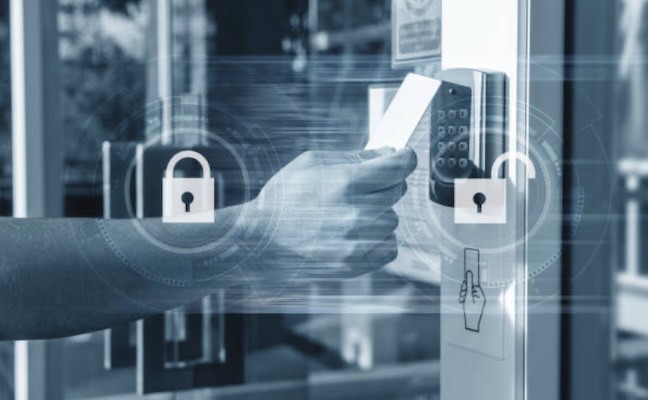
Take a moment and think about it. Not just the employees you see every day, but everyone who passes through your doors: cleaners, delivery drivers, contractors, IT support, facilities teams, visitors, temporary staff, and suppliers. How many of them were inside your building today — and how well do you really know them?
Physical security isn’t just about locking doors or staffing a front desk. It’s about understanding and managing access risk across all personnel. Every individual who enters your facility represents a potential vulnerability — from accidental safety oversights to deliberate threats.
ASIS International emphasizes that comprehensive security protection programs account for all building occupants, integrating access control, identity verification, and monitoring procedures to mitigate risk while maintaining operational flow (ASIS International, 2021). This includes temporary personnel, vendors, and service providers, whose presence is often overlooked in standard security planning.
Best practices include:
- Vetting and credentialing all personnel with access to sensitive areas
- Implementing time-bound or role-based access controls
- Monitoring entry points and activity through surveillance and audit logs
- Conducting regular reviews of visitor and contractor access policies
By thinking beyond employees, security leaders can reduce blind spots, strengthen operational resilience, and protect both people and assets. Security is not just a policy — it’s an awareness that every individual matters.
Reference (APA 7th ed.)
ASIS International. (2021). Physical security professional standards. ASIS International.
#CorporateSecurity #SecurityProtection #AccessControl #RiskManagement #PhysicalSecurity #SecurityAwareness #EnterpriseRisk #VisitorManagement #OperationalResilience #WorkplaceSafety