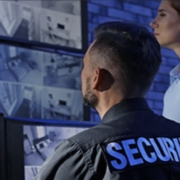

NEXGEN Protection Services committed to providing our clients the exceptional customer service that they are looking for by utilizing and employing the absolute best security teams in the industry.

Smarter-Coverage-Stronger-Deterrence-—-Why-Mobile-Security-Patrols-Matter-More-Than-Ever.

Smarter Coverage, Stronger Deterrence — Why Mobile Security Patrols Matter More Than Ever

By Frank Costa, President, Nexgen Protection Services

In today’s fast-moving threat environment, security can’t afford to sit still. That’s why mobile security patrols have become a critical layer in modern protective strategies — delivering flexibility, visibility, and rapid response far beyond what static posts can provide.

Mobile security service strengthens your perimeter and protects your people:

 Round-the-Clock Patrols
Mobile security teams don’t just drive by. Teams conduct floor-by-floor, exterior, and interior checks to ensure full coverage across your site — day and night.

Verified Accountability
Patrols are backed by photo verification, electronic check-ins, or seamless integration with your existing static-guard technology stack.

24/7 Dedicated Dispatch
Marked, well-maintained vehicles and a 24-hour dispatch line mean teams are ready to respond immediately — whether it’s a disturbance, trespass, alarm call, or unusual activity.

Why It Matters

Security becomes expensive when it’s reactive. Static guards are essential, but they can’t be everywhere at once. Mobile units expand coverage, adapt to changing conditions, and provide a visible, consistent deterrent across wider areas — all while keeping overhead lower than additional fixed posts.

For events, large facilities, after-hours operations, construction sites, or multi-building campuses, mobile patrols deliver the agility and presence needed to stay ahead of risk.

When visibility increases, incidents decrease — and proactive protection always costs less than reactive response.

#SecurityServices #MobilePatrol #RiskManagement #PhysicalSecurity #LossPrevention #FacilitiesManagement #BusinessContinuity #ProtectAndPrevent

Reference
Security Industry Association. (2023). Guidelines for effective mobile patrol deployment in physical security programs. SIA Publications.

United-in-Resolve-—-Standing-With-Our-West-Virginia-National-Guard-After-a-Senseless-Attack

United in Resolve — Standing With Our West Virginia National Guard After a Senseless Attack

By Frank Costa, President, Nexgen Protection Services

Two members of the Air National Guard — heroically serving with the West Virginia National Guard — were viciously attacked while answering our nation’s call. The shooting near Washington, D.C. was senseless and brutal. https://www.wsaz.com+2West Virginia National Guard+2

As quoted by Duke Pirak, Acting Director of the Air National Guard: “Our hearts are with the family and friends of these brave Guardsmen… this heinous attack will not prevent our brave men and women from continuing our unwavering commitment to the safety and security of our great Nation.” https://www.wsaz.com

In moments like this, we are reminded of the courage and sacrifice demanded of those who wear the uniform — and the heavy burden they carry every day to protect our freedoms.

We must honor these service members — and ensure our support for them is more than words. That means standing with their families, offering solidarity, and reinforcing our collective resolve to uphold the values they defend.

To the Guardsmen, their loved ones, and every person who rises each day ready to serve: we see you. We thank you. We stand with you.

#NationalGuard #SupportOurTroops #ServiceAndSacrifice #CommunitySolidarity #PublicSafety #DutyAndHonor #ProtectAndServe #Gratitude

Reference
Associated Press. (2025, November 26). Two WV National Guard members critical after D.C. shooting; victims identified. WSAZ. 


Security-Guard-Stops-Violence-in-Its-Tracks-—-Knife-Wielding-Attacker-Shot-at-Hospital-

Security Guard Stops Violence in Its Tracks — Knife-Wielding Attacker Shot at Hospital ER

By Frank Costa, President, Nexgen Protection Services

A serious incident at Montefiore St. Luke’s Cornwall Hospital in Newburgh highlights the urgent role private security plays when public safety resources are strained. On the night of November 13, a 45-year-old man allegedly pulled a fire alarm in the hospital’s emergency-room lobby, then brandished a knife and attacked a security guard. In response, an armed guard fired one round — the attacker was pronounced dead. A bystander was also wounded, though her injuries are reportedly non-life-threatening. NBC New York+2CBS News+2

This tragic event underscores a larger reality: with police shortages and increasing demands on public safety, hospitals and institutions are increasingly reliant on private security. But while private guards can bridge critical safety gaps — especially in high-risk settings like emergency rooms — this incident raises important questions about training, protocols, accountability, and the burden placed on private security personnel.

As communities explore public–private safety partnerships, several priorities must guide decision-makers and security leaders:

  • Rigorous training & scenario preparedness — private officers may face life-and-death situations; proper training matters.

  • Clear rules of engagement and oversight — even justified force demands transparency and clarity.

  • Support systems for bystanders and staff — collateral trauma, as seen when a bystander was injured, must be addressed.

  • Collaboration with public safety & health institutions — coordination ensures that private security augments, not replaces, public-safety infrastructure.

Institutions can no longer assume security is a “nice to have.” As police staffing challenges persist, private security is becoming a frontline defense — especially in environments where lives, health, and community safety intersect.

It’s vital that we approach this shift with responsibility, structure, and accountability. When done right, public–private security collaboration can help protect communities — but only if standards are high and oversight is uncompromising.

#PublicSafety #PrivateSecurity #HospitalSecurity #SecurityLeadership #SafetyStandards #CommunitySafety #LawEnforcementPartnership #CrisisManagement

Reference
NBC New York. (2025, November 14). Hospital fire alarm puller shot dead in ER lobby after attacking security guard. City of Newburgh Police Department.

The-New-Front-Line-How-Private-Security-Is-Filling-the-Gap-in-Americas-Police-Shortage.

The New Front Line: How Private Security Is Filling the Gap in America’s Police Shortage

By Frank Costa, President, Nexgen Protection Services

As police departments across the U.S. struggle with record staffing shortages, private security is stepping in — but not without raising serious questions about training, trust, and accountability.

With fewer sworn officers available, many cities and institutions are turning to private security firms to help fill the gap. In fact, private security personnel now outnumber public police officers in many areas. Governing+2TIME+2

This growing reliance brings both promise and concern — especially around how those private forces are trained, overseen, and integrated into public-safety strategies. Police1+2Facit Data Systems+2

That’s why a growing number of cities are exploring collaborative public–private safety models — combining the reach and flexibility of private security with the authority and oversight of public law enforcement. Police1+2Duke Law School+2

What’s driving the shift?

  • Many municipal police departments are operating well below fully staffed levels — leaving gaps in patrols, property protection, and non-emergency response. Police1+1

  • Private firms offer scalable, flexible solutions and often deploy technology (surveillance, rapid deployment, analytics) that budget-constrained departments may lack. Police1+1

What’s at stake?

  • Training and oversight standards for private security vary widely; many officers receive far less preparation than sworn police. Police1+1

  • Without clear legal frameworks and transparency, public trust can erode — especially if private guards handle sensitive tasks like deterrence or intervention. Police1+1

A path forward — thoughtful collaboration
For private security to complement police effectively, communities need structured agreements, clear role definitions, shared oversight and accountability, and equitable deployment across neighborhoods. When done right, collaboration can bolster safety — without compromising fairness or public trust.

The question isn’t if private security should help — but how we integrate it responsibly and transparently for the benefit of all.

#PublicSafety #PrivateSecurity #CommunitySafety #PoliceShortage #SecurityPartnership #LawEnforcement #UrbanSafety #PolicyInnovation

Reference
Altorfer, E. J. (2025). Can private security help solve the police staffing crisis? Police1.

Shoplifters-Opportunistic-theft-—-not-organized-rings-—-makes-up-the-majority-of-cases

Shoplifters: Opportunistic theft — not organized rings — makes up the majority of cases.

By Frank Costa, President, Nexgen Protection Services

Most shoplifters are not hardened criminals seeking to resell goods; they’re regular people reacting to an easy opportunity. COPS Portal+1

That means the best defense is not complicated surveillance or locked-up merchandise — it’s presence, service, and vigilance.

Why “opportunistic” matters
Research shows that a small percentage of shoplifters are “professionals” working theft as a business. The vast majority are non-professionals who act spontaneously, not pre-planning. Stop Theft Class+1

Staff presence as deterrence
When store associates are visible, attentive and approachable — walking the floor, greeting customers, and offering help — they remove the “easy opportunity” that opportunistic thieves rely on.

Service-oriented engagement beats locked cases
Instead of locking up merchandise or making shopping feel like a security checkpoint, a service-first approach encourages genuine customers — while raising the perceived risk for casual thieves.

Smart prevention supports human deterrence
Loss prevention technology and surveillance can help, but they’re most effective when paired with human presence and friendly engagement. That balance keeps stores safe without undermining the shopping experience.

Retailers don’t have to choose between welcoming customers and protecting merchandise. By investing in staff training, floor presence, and customer service, they can reduce shrinkage — especially from opportunistic theft — and keep the store atmosphere inviting.

#RetailSecurity #LossPrevention #ShopliftingPrevention #RetailOperations #CustomerExperience #StoreSafety #RetailLeadership #ShrinkageReduction

Reference
Clarke, R. (as cited in U.S. Office of Community Oriented Policing Services). (n.d.). Opportunistic shoplifting and the role of store presence. In Publications on retail theft prevention

Retail-theft-isnt-just-being-recorded-anymore-—-its-being-stopped-in-real-time.

Retail theft isn’t just being recorded anymore — it’s being stopped in real time.

By Frank Costa, President, Nexgen Protection Services

Today’s smart video systems use AI to detect suspicious behavior, unusual audio, and even loitering before a retail theft occurs. Retail Insider

For retailers, that translates into less shrinkage, safer stores, and smarter operations. This is the future of loss prevention — and it’s already here.

From passive to proactive surveillance


Modern video-intelligence systems go beyond recording. By analyzing live video and audio feeds, they can spot concealment, loitering in high-value zones, or suspicious vocal stress in real time — triggering alerts as potential theft is underway. Retail Insider+1

Intervention before loss


Once suspicious behavior is detected, stores can respond immediately — deploying staff, triggering warnings, or using deterrent messages — rather than waiting for manual video review after a shrink event. Retail Insider+2CDW+2

Better for customers — and stores


Because these systems are integrated into existing IP cameras and analytics platforms, retailers don’t need to lock up merchandise or create friction for genuine customers. The shopping experience stays smooth, while risk zones gain “smart surveillance eyes.” Retail Insider+1

Operational uplift beyond security


When theft is disrupted in real time, stores also gain data: which areas are high risk, when theft attempts most often happen, and how to deploy staff more efficiently. That insight can feed into smarter store-layout and staffing decisions — driving both security and business performance. CDW+1

Retailers don’t have to choose between protecting their bottom line and offering a seamless customer experience. With AI-powered video intelligence, they can achieve both — securing merchandise before it walks out the door while preserving a welcoming store atmosphere for real shoppers.

#RetailTech #LossPrevention #AIinRetail #StoreSecurity #ShrinkReduction #SmartVideo #RetailInnovation #CustomerExperience

Reference
Retail Insider. (2025, May). Retailers turn to smart video to reduce crime and liability.


Retail Theft: Electronics Remain Among The Most Frequently Stolen And Costliest

Retail Theft: Electronics Remain Among The Most Frequently Stolen And Costliest

Frank Costa, President, Nexgen Protection Services

Sources estimate the average retail theft incident carries a loss of approximately US $1,200.

So how can retailers monitor high-risk products without introducing friction for legitimate customers? The key is combining smart, discreet loss-prevention technologies with thoughtful customer experience design.

Real-time, location-aware monitoring


Modern tools — such as RFID, smart shelves, or Bluetooth LE tracking — give retailers subtle, continuous visibility into product movement. Associates receive instant alerts if items leave a protected zone or head toward exits, but customers can still browse freely.

Data-driven risk scoring


Not all SKUs require equal vigilance. By analyzing transaction data, shrink trends, and store-level patterns, retailers can identify which electronics are truly high-risk. This allows targeted monitoring, avoiding blanket security measures that disrupt the shopping experience.

Assisted-selling rather than locked-away merchandise


Instead of locking items behind glass, stores can use digital request buttons, associate call systems, or demo-unit check-out procedures. That gives customers access with minimal delay — and avoids the “locked-away” frustration many shoppers dislike.

Subtle, customer-centric triggers


Sensors can gently prompt helpful touchpoints (e.g., product information, service offers, or an associate greeting) when a high-value item is moved — creating moments of customer service, not surveillance.

Empowered employees as deterrents


Staff trained to offer friendly engagement and timely assistance — especially in zones flagged by technology — remain among the most effective theft deterrents.

Retailers don’t have to choose between security and customer experience. With the right mix of technology, data, and human touch, it’s possible to protect high-risk electronics while keeping the checkout path intuitive, welcoming, and friction-free.

#RetailTech #LossPrevention #RetailSecurity #CustomerExperience #ShrinkReduction #SmartShelves #RFID #StoreOperations

Reference
Jack L. Hayes International. (2022). Annual Retail Theft Survey — average theft reported at nearly US$1,200 per incident for external theft. CDW

Supporting Employees After Critical Incidents

Supporting Employees After Critical Incidents

By Frank Costa, President, Nexgen Protection Services

After a violent incident, employees may experience trauma—but tools like Critical Incident Stress Management (CISM) can help them cope. Experts from the zoo industry highlight practical ways organizations can support staff, build resilience, and maintain operational stability (ASIS International, 2025).

Proactive post-incident support isn’t just compassionate—it’s essential for employee well-being and organizational continuity.

#WorkplaceSafety #EmployeeWellBeing #CrisisManagement #CriticalIncidentSupport #Resilience #SecurityLeadership #ThoughtLeadership #OperationalContinuity

Citation:
ASIS International. (2025). Using critical incident stress management to support employees after violent incidents. Security Management. Retrieved from https://www.asisonline.org/security-management-magazine/articles/2025/10/


Artificial Intelligence in Security: Leadership Matters

Artificial Intelligence in Security: Leadership Matters

By Frank Costa, President, Nexgen Protection Services

While artificial intelligence offers security teams cutting-edge advantages, GSX 2025 keynote speaker Sol Rashidi emphasizes that security must take a leadership role in guiding how AI is deployed across organizations (ASIS International, 2025).

It’s not just about adopting technology—it’s about setting ethical boundaries, defining risk parameters, and ensuring AI supports business objectives safely. Security leaders who step up shape not only protection strategies but organizational trust.

#SecurityLeadership #AI #RiskManagement #Innovation #ThoughtLeadership #CyberSecurity #OrganizationalResilience #ASISGSX

Citation:
ASIS International. (2025). AI in security: Leadership roles in guiding organizational adoption. Security Management. Retrieved from https://www.asisonline.org/security-management-magazine/articles/2025/10/


Navigating Travel Disruptions Amid the Government Shutdown

Navigating Travel Disruptions Amid the Government Shutdown

By Frank Costa, President, Nexgen Protection Services

The ongoing U.S. government shutdown is impacting air travel, with air traffic controller shortages leading to increased flight delays and cancellations. Approximately 13,000 controllers and 50,000 TSA officers continue working without pay, exacerbating staffing challenges and operational strain at major airports like Dallas, Chicago, Atlanta, and Newark Reuters.

For travelers, it’s crucial to:

  • Arrive early at airports due to potential longer wait times

  • Monitor flight statuses regularly

  • Stay informed about potential service disruptions

Adaptability and preparedness are key to navigating these turbulent skies.

#TravelSecurity #AirTravelDisruptions #GovernmentShutdown #FlightDelays #TSA #AirTrafficControl #TravelTips #RiskManagement

Citation:

ASIS International. (2025). Travel platforms must evolve from reactive fraud blocking to proactive management. Security Management. Retrieved from https://www.asisonline.org/security-management-magazine/articles/2025/10/