Cyber & Physical Security Must Be Integrated — Not Optional
Cyber & Physical Security Must Be Integrated
By Frank Costa, President, Nexgen Protection Services
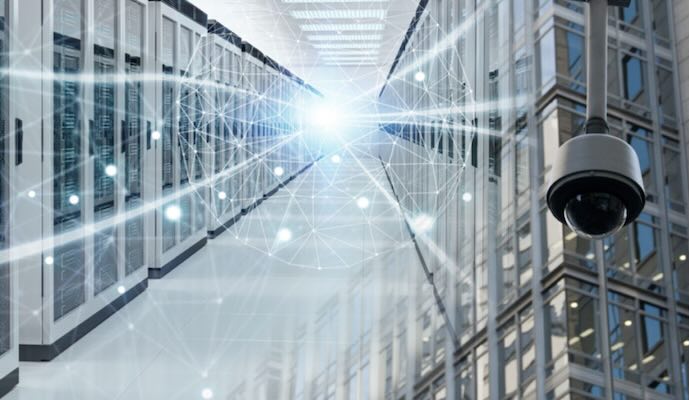
Security threats no longer fit neatly into “cyber” or “physical” categories. They are converging—and organizations that fail to integrate both domains are increasingly exposed.
Recent warnings tied to the 2026 global event cycle highlight this shift. Reports of attempted cyber disruptions against high-profile international event infrastructure underscore how digital attacks can directly impact physical operations, logistics, and public safety. At the same time, the Cybersecurity and Infrastructure Security Agency (CISA) has urged organizations to replace end-of-life network and IoT devices, noting that unsupported systems are actively being targeted by attackers.
This is where hiring a modern security protection team becomes essential.
Integrated teams bridge the gap between cyber and physical security by combining threat intelligence, on-the-ground protection, and technical risk management. They recognize that vulnerabilities in outdated devices can translate into real-world access risks, and that physical environments—venues, facilities, personnel—are often entry points for broader digital compromise.
A unified security approach enables:
• Faster identification of cross-domain threats
• Stronger incident response coordination
• Reduced risk from outdated or unmonitored systems
• Improved resilience for events, infrastructure, and operations
In today’s environment, siloed security is a liability. Integration is the standard for resilience.
APA Source:
Cybersecurity and Infrastructure Security Agency. (2026). Advisory on end-of-life network and IoT device vulnerabilities and risk mitigation guidance.
#CyberSecurity #PhysicalSecurity #IntegratedSecurity #RiskManagement #ThreatIntelligence #CISA #CriticalInfrastructure #ExecutiveProtection #SecurityStrategy #BusinessContinuity