Posts

Whether to hire dedicated, in-house security staff or outsource protection services to a third-party provider.

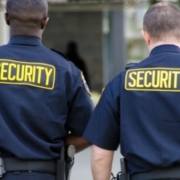
Securing the Corporate Campus: Should You Hire In-House Security or Outsource?

By Frank Costa, President, Nexgen Protection Services

As corporate campuses grow in size and complexity, so do the demands on their security infrastructure. A key strategic decision many facility and security leaders face is whether to hire dedicated, in-house security staff or outsource protection services to a third-party provider.

Each option brings distinct advantages—and challenges.

In-house security teams offer greater control, consistent presence, and alignment with company culture and brand values. These officers can be deeply integrated into daily operations, build familiarity with staff and protocols, and foster a trusted presence across the campus. However, managing in-house personnel comes with added costs, HR responsibilities, training oversight, and legal exposure.

Contract security providers, on the other hand, deliver flexibility and scale. They often supply highly trained officers, industry certifications, and built-in management systems—allowing corporate security leaders to focus on strategy while the vendor handles staffing, scheduling, and compliance. Yet, outsourcing can result in less consistency and reduced control over personnel selection and performance.

For modern corporate campuses—where security must balance access control, visitor management, emergency response, and brand representation—the right decision depends on the organization’s size, risk tolerance, budget, and desired level of control.

Whether you choose to build your own team or partner with a provider, one thing remains clear: your security personnel must be professional, proactive, and aligned with the values of your organization. The wrong fit, in either model, can lead to lapses in protection, reputational damage, or operational disruption.

Hashtags:

#CorporateSecurity #CampusProtection #SecurityStaffing #InHouseSecurity #ContractSecurity #AccessControl #WorkplaceSafety #CorporateFacilities #SecurityStrategy #SecurityLeadership #SecurityOperations #EnterpriseSecurity #RiskMitigation #EmployeeSafety #FacilityManagement

Source:
Harroch, D. Employees Vs. Contractors: Who To Hire For Your Business (Sep 04, 2024). Forbes.


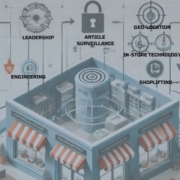
Asset protection isn’t just about catching shoplifters—it's about risk management, crisis response.

The Frontline of Retail Safety: The Vital Role of Asset Protection Professionals in Mall Security

By Frank Costa, President, Nexgen Protection Services

In bustling retail environments like shopping malls, asset protection professionals are more than just a security presence—they are the guardians of people, property, and profitability.

Tasked with preventing theft, deterring criminal activity, and ensuring a safe environment for shoppers and staff, these professionals combine vigilance with customer service. From discreet surveillance and monitoring suspicious behavior to responding to emergencies and supporting loss prevention strategies, mall security teams must stay sharp, visible, and proactive.

Modern asset protection isn’t just about catching shoplifters—it’s about risk management, crisis response, and keeping complex public spaces running smoothly. Effective mall security requires teamwork, technology, and training to manage everything from petty theft to larger threats like active assailants or crowd control during events.

As the retail landscape evolves, so too must the strategies that protect it. Asset protection professionals are the silent force ensuring malls remain places of commerce, community—and safety.

#MallSecurity #AssetProtection #RetailSecurity #LossPrevention #SecurityProfessionals #CustomerSafety #RetailProtection #PublicSafety #SecurityInRetail #FrontlineSecurity #SafeShopping #SecurityLeadership #PhysicalSecurity #SecurityAwareness


Source: 

Brittain, J. Asset Protection Professional and Mall Security Guard Shot by Alleged Shoplifter in Los Angeles (January 3, 2025) SecurityMagazine.


The ability to spot suspicious behavior and respond to active assailant situations is a critical skill for security professionals

From Vigilance to Action: Identifying Suspicious Behavior and Guarding Against Active Assailants

By Frank Costa, President, Nexgen Protection Services

In an age where threats can emerge suddenly and without warning, the ability to spot suspicious behavior and respond to active assailant situations is a critical skill for security professionals and frontline staff alike.

Early detection is often the key to prevention. Suspicious behavior doesn’t always look overtly threatening—it may come in the form of nervousness, loitering without purpose, unusual attire for the environment, or evasive behavior around surveillance or entry points. Recognizing these cues requires trained observation skills, situational awareness, and consistent engagement with the environment.

But identifying a potential threat is only half the equation.

Preparedness is protection.
Guarding against active assailants means having clearly defined emergency protocols, real-time communication channels, lockdown procedures, and trained personnel ready to act. Regular drills, access control systems, and coordinated response plans with local law enforcement can make all the difference when seconds count.

Security teams must operate not just as responders, but as preventers—observing, assessing, and de-escalating situations before they evolve into critical incidents.

#SituationalAwareness #SuspiciousBehavior #ActiveAssailantResponse #SecurityTraining #ThreatDetection #PhysicalSecurity #EmergencyPreparedness #WorkplaceSafety #SecurityAwareness #SecurityProfessionals #PreventAndProtect #CrisisReadiness #SecurityLeadership #VigilanceMatters


Source: 

DHS Cybersecurity and Infrastructure Security Agency Releases Soft Target and Crowded Places Resource Guide (April 25, 1019). Security Magazine. 


Strategic Security Tactics to Protect Businesses During Civil Unrest

Shields Up: Strategic Security Tactics to Protect Businesses During Civil Unrest

By Frank Costa, President, Nexgen Protection Services

Strategic Security

In times of civil unrest or riots, businesses face a unique set of threats that go beyond typical day-to-day security concerns. Property damage, looting, and threats to personnel safety can escalate quickly—and without the right security strategy in place, the consequences can be devastating.

Preparedness is everything. The most effective way to safeguard a business during riots is through proactive, layered security planning that includes a mix of physical deterrents, trained personnel, and technology.

  1. Perimeter Hardening:
    Install reinforced doors, shatterproof windows, and physical barriers to limit unauthorized access and delay intrusions.
  2. Visibility and Presence:
    A visible uniformed guard presence can act as a strong deterrent. Trained security officers who understand de-escalation and crowd dynamics can make the difference between a peaceful situation and a dangerous one.
  3. Surveillance and Intelligence:
    Real-time video monitoring and social media intelligence allow security teams to track crowd movements, identify risks early, and alert decision-makers before situations escalate.
  4. Emergency Protocols and Communication:
    Businesses should have clear evacuation plans, lockdown procedures, and direct communication channels between guards, management, and law enforcement. Rapid, coordinated response saves lives and assets.
  5. Staff Training and Awareness:
    Employees should be briefed on safety procedures and how to respond during unrest. Internal communication systems must stay active to keep teams informed and secure.

While no strategy can guarantee complete protection during civil unrest, a comprehensive and proactive a strategic security plan can minimize risk, protect people, and reduce the financial impact of disruptions.

#BusinessSecurity #RiotPreparedness #SecurityTactics #CivilUnrest #EmergencyPlanning #CrisisResponse #SecurityGuards #LossPrevention #SituationalAwareness #SecurityOperations #CommercialSecurity #WorkplaceSafety #PropertyProtection #SecurityStrategy #PhysicalSecurity

Source:
Morrison, M. Security tactics for protecting businesses during riots. (December 11, 2020). Security Magazine. 


access control and customer service, two roles that require a unique balance of authority and approachability.

Beyond the Gate: How Today’s Security Guards Balance Access Control and Customer Service

By Frank Costa, President, Nexgen Protection Services

Modern security guards are no longer just stationed to observe—they’re frontline professionals who serve as both protectors and ambassadors. Among their most critical responsibilities are access control and customer service, two roles that require a unique balance of authority and approachability.

Whether it’s managing entry points, verifying credentials, or greeting visitors, today’s guards are expected to enforce safety protocols while delivering a professional, courteous experience. This dual responsibility enhances both security integrity and public perception, making guards essential to operational success in industries like healthcare, hospitality, retail, and commercial real estate.

Being firm yet friendly is no longer optional—it’s a skillset. Security guards must read situations in real-time, resolve conflicts diplomatically, and represent the values of the organizations they protect.

Source:
Lauver, M. Access control, customer service among top security guard responsibilities. (October 22, 2021). Security Magazine. 


#SecurityProfessionals #AccessControl #CustomerService #FrontlineSecurity #SecurityGuards #PhysicalSecurity #SecurityTraining #SecurityPresence #ModernSecurity #PublicSafety #GuardServices #SecureAndServe #SecurityIndustry


Command Presence

Deter, Defend, De-escalate: The Security Advantage of Command Presence

By Frank Costa, President, Nexgen Protection Services

In today’s security landscape, a guard’s effectiveness goes well beyond their uniform or equipment. Central to their role is the command posture—the confident, authoritative demeanor projected through body language, tone, and presence.

This posture acts as a psychological shield, protecting guards by projecting readiness and self-assurance in the face of potential threats. It also serves as a powerful deterrent: criminals often seek vulnerable targets, but a guard with a commanding presence signals authority and vigilance, discouraging illicit behavior before it begins.

Simply put, command posture is a critical tool that helps security professionals maintain order and enhance safety by preventing crime through confident, visible authority.


Source:
Jones, J. W. The Power of Command Posture for Security Guards (July 15, 2024)

#SecurityLeadership #CommandPosture #CrimePrevention #SecurityGuards #PhysicalSecurity #SecurityProfessionals #SituationalAwareness #SecurityTraining #SecurityMindset #SafetyFirst


In the private security industry, leadership is not just about titles or seniority—it’s about accountability

Defining Leadership in Private Security: More Than a Rank, It’s a Responsibility

By Frank Costa, President, Nexgen Protection Services

In the private security industry, leadership is not just about titles or seniority—it’s about accountability, vision, and the ability to inspire trust in both teams and clients. Strong leaders in security understand that they are not only managing operations, but also shaping the culture of safety and professionalism within their organizations.

True leadership in private security means setting high standards—both in conduct and performance. It means leading by example, staying calm under pressure, and making decisions rooted in both strategy and ethics. Whether in corporate protection, event security, or critical infrastructure, the best leaders combine operational knowledge with emotional intelligence.

They train continuously, embrace new technologies, and adapt to emerging threats. They know how to empower frontline officers, build trust with clients, and foster a team environment that prioritizes accountability and growth. Most importantly, they recognize that effective security leadership is proactive, not reactive.

In an industry that often operates behind the scenes, leadership is the quiet force that drives reliability, professionalism, and long-term success.

Source: Security Responder Magazine

#PrivateSecurity #SecurityLeadership #SecurityManagement #SecurityProfessionals #LeadershipInSecurity #ProfessionalSecurity #SecurityOperations #RiskManagement #TeamLeadership #SecurityIndustry #SecurityCulture #SecurityTraining #SecurityResponderMagazine


Smart Security in Healthcare: Enhancing Guard Services with Technology

Smart Security in Healthcare: Enhancing Guard Services with Technology

By Frank Costa, President, Nexgen Protection Services


In healthcare, security isn’t just about protecting property—it’s about safeguarding patients, staff, and sensitive information. Technology is playing a growing role in elevating guard services across hospitals and medical facilities, offering smarter, faster, and more reliable protection.

Better Efficiency & Visibility

Tools like facial recognition, motion sensors, and AI-powered cameras help security guards monitor activity in real time—critical in high-traffic areas like ERs or visitor lobbies. These tools improve situational awareness and reduce manual tasks.

Improved Safety & Faster Response

Real-time alerts from surveillance and access control systems help security teams respond immediately to unauthorized access or suspicious behavior—essential in environments where seconds matter.

Secure Data & Compliance

Cloud-based storage ensures all security footage and access logs are safely stored, audit-ready, and protected against tampering—supporting HIPAA compliance and internal investigations.

Cost Savings & Focused Staffing

By automating routine tasks like badge checks or door monitoring, guard services  can focus on higher-level responsibilities such as patient safety and emergency response, improving overall efficiency without increasing headcount.


Stronger Communication

Instant communication tools keep teams connected, ensuring coordinated responses during incidents or lockdowns—critical in healthcare settings with complex operations.


Conclusion:
Technology is not replacing healthcare security guard services teams—it’s making them more effective, responsive, and patient-focused. Smarter tools mean safer hospitals.


#HealthcareSecurity #HospitalSafety #SecurityTechnology #SmartHospitals #AccessControl #HIPAACompliance #HealthcareFacilities #SecurityInHealthcare #PatientSafety #EmergencyPreparedness #GuardServices #PhysicalSecurity


Source:

Smith,A. Integrate technology with security guard services for local businesses. (February 24, 2023) Security Magazine.


The Qualities That Define a Top-Tier Security Guard Professional

The Qualities That Define a Top-Tier Security Guard Professional

By Frank Costa, President, Nexgen Protection Services


What traits define a truly exceptional security guard—someone you’d trust with your safety or that of your loved ones? Far too often, the role is reduced to surface-level perceptions: a uniform, an authoritative presence, and perhaps a firearm. But real professional protection goes far beyond appearances and well beyond the minimum requirements for licensure.

Today’s security professionals must be equipped with a wide range of skills that blend emotional intelligence with physical readiness. Here are the core qualities that define a high-caliber security officer:


1. People Skills & Professionalism

At its heart, the job of a security officer—especially in protection and executive security—is often more like that of a concierge than a combatant. An effective officer must know how to communicate respectfully and clearly with people from all walks of life. They should integrate seamlessly with a client’s staff, liaise with law enforcement or other security personnel, and above all, build trust-based relationships that empower them to navigate logistical challenges smoothly. Whether it’s securing a table at a fully booked restaurant, gaining access to a private tarmac, or getting VIP parking in a secure location—relationships matter.

2. Critical Thinking & Decision-Making

Security is about anticipation and action. A seasoned professional plans for every potential scenario—and when things go sideways (as they often do), they adapt quickly. Split-second decisions under pressure can mean the difference between a controlled outcome and chaos. That kind of judgment only comes from training and experience, not instinct alone.

3. Observation Skills & Situational Awareness

A quality guard must constantly scan and interpret their environment—reading body language, spotting behavioral cues, and noticing irregularities before they escalate. Situational awareness isn’t just a tactical advantage; it’s a foundational skill that can prevent incidents before they start. This ability is sharpened over time but should begin with structured training, including case studies, scenario-based exercises, and video analysis of real-world incidents.

4. Knowledge of the Law

Understanding the law—especially in relation to use of force, citizen’s arrest, firearms, and search protocols—is non-negotiable. A professional security officer must operate within legal limits, not just to protect the client, but to protect themselves and their organization from liability.

5. Self-Defense Training

Ongoing self-defense training is essential. It’s not enough to be shown techniques once; they must be drilled, tested, and refined regularly. Physical skills fade without repetition, and in a high-risk encounter, the body only recalls what it’s been trained to do under pressure.

6. Firearms Proficiency

State-mandated firearms training for security officers often mirrors basic civilian carry courses—which are insufficient for professional-level readiness. True firearms competence requires advanced training, stress exposure, and scenario-based drills that simulate the realities of a live threat. Passing a paper target test isn’t enough.

7. Real-World Stress Experience

The first time a guard experiences an adrenaline spike shouldn’t be during an actual emergency. Effective training must include realistic, stress-inducing simulations to condition the body and mind to stay focused, make decisions, and take action under pressure. Without this, even the best classroom training risks falling apart in real life.


The Bottom Line:
A quality security guard isn’t just a visual deterrent—they’re a highly trained, emotionally intelligent, and physically prepared professional who can de-escalate conflict, protect people, and respond decisively in a crisis. The best officers aren’t just guarding—they’re thinking, adapting, and leading.

#SecurityProfessionals #ExecutiveProtection #SecurityTraining #MannedGuarding #SituationalAwareness #SecuritySkills #SecurityLeadership #ProtectionOfficer #PrivateSecurity #SecurityReadiness #UseOfForce #SecurityAwareness #CloseProtection #SecurityIndustry #SecurityStandards #ModernSecurity


Source:
By Jonathan McKee.Is Your Security Guard Good Enough? Why Many Protection Agents Need More Training. (May 26, 2020) Security Magazine. 


Deploying Security Entrances to Enhance Guard Services in Healthcare Facilities

Deploying Security Entrances to Enhance Guard Services in Healthcare Facilities

By Frank Costa, President, Nexgen Protection Services

Maintaining secure and welcoming access points is a critical component of any healthcare facility’s safety strategy. Hospitals, clinics, and medical campuses are high-traffic environments that require constant vigilance—balancing open access for patients, staff, and visitors with the need to protect people, property, and sensitive information. To manage this balance, many healthcare organizations employ trained security officers to oversee entrances and exits, direct foot traffic, and serve as both protectors and ambassadors for the facility.

These officers play a vital dual role. On one hand, they provide a strong physical presence that deters unwanted behavior, theft, or potential violence. On the other, they offer peace of mind and a helpful presence to patients and visitors who may already be experiencing stress or anxiety. In emergency situations—whether medical, environmental, or security-related—security officers often act as the facility’s first responders, working in coordination with internal teams and public emergency services.

However, the dynamic and often unpredictable nature of healthcare settings means security personnel are frequently called upon to perform a wide range of duties simultaneously: assisting lost visitors, checking in vendors, monitoring patient access areas, and supporting clinical staff. These everyday interactions, while essential to providing a compassionate and efficient experience, can unintentionally distract officers from potential threats or emerging incidents.

To strengthen frontline defenses without compromising the welcoming nature of care environments, many healthcare institutions are deploying intelligent security entrance solutions. Tools such as optical turnstiles, secured vestibules, and badge-activated access lanes allow for automated identity verification and controlled entry. These systems reduce the manual burden on security staff and help ensure that only authorized individuals access restricted or sensitive areas—including emergency departments, pharmacies, and patient wards.

By integrating advanced security entrances with professional guard services, healthcare organizations can create a safer, more responsive environment for patients, staff, and visitors alike. The result is a comprehensive, layered security approach that supports both clinical care and operational resilience—without sacrificing accessibility or compassion.


Source: 

Thomas, T. Can Deploying Security Entrances Enhance Guard Services? (April 10, 2018). Security Magazine. 


#HealthcareSecurity #HospitalSafety #PhysicalSecurity #HealthcareFacilities #SecurityTechnology #AccessControl #SecurityEntrances #HospitalSecurity #HealthcareOperations #PatientSafety #GuardServices #VisitorManagement #EmergencyPreparedness #SecureHealthcare #HealthTech #FacilityManagement