
Posts

Seamless

Public Event Safety Through Seamless Coordination

Frank Costa, President, Nexgen Protection Services

During a high-attendance city festival, protection services worked seamless alongside local law enforcement, medical teams, and event staff. When extreme heat caused multiple medical emergencies, security teams helped manage crowd flow, assisted medics, and ensured clear access routes. The event concluded safely with no major incidents.
Impact: Thousands attended safely, rapid response times, positive public feedback.

Why it matters:
These examples show how professional protection services quietly enable safe healthcare, education, and community engagement—often preventing incidents before they escalate.

#SecurityProfessionals #PublicSafety #HealthcareSecurity #CampusSafety #EventSecurity #RiskManagement #CommunityProtection #SafetyLeadership


Enhancing Safety Through Security

Security Stops Threat Before It Becomes Harm

Frank Costa, President, Nexgen Protection Services

Universities such as University of Michigan and Texas A&M have been recognized for successful community-oriented safety initiatives that significantly reduce assault and theft on campus.

Campus protection officers at a large university noticed suspicious behavior near a residence hall during late-night patrols. Following established protocols, they conducted a welfare check, coordinated with campus police, and safely intervened. The incident was resolved before any students were harmed, highlighting the value of proactive patrols and situational awareness.

Many universities maintain their own campus police focused on:

  • Building trust with students
  • Preventing crime before it happens

Offering safety programs like escort services

Impact: Threat mitigated early, campus operations uninterrupted, student trust reinforced.

#SecurityProfessionals #PublicSafety #HealthcareSecurity #CampusSafety #EventSecurity #RiskManagement #CommunityProtection #SafetyLeadership


Strong security protocols that helped limit violence

Security Teams Protecting Patients and Staff

Frank Costa, President, Nexgen Protection Services

Boston Medical Center implemented strong security protocols that helped limit violence in and around the facility, allowing clinicians to focus on patient care. A trained protection services team identified escalating behavior in an emergency department waiting area.

 Using verbal de-escalation techniques, coordinated positioning, and rapid communication with clinical staff, the team resolved the situation without injury or disruption to patient care. Medical staff later reported improved confidence and reduced stress knowing a capable security presence was in place.

Impact: Patient safety preserved, staff supported, zero use-of-force incidents.

Security personnel at hospitals have intervened to de-escalate violent situations, safeguard vulnerable patients, and ensure smooth operations. In many large medical centers, trained teams help:

  • Escort patients through emergency departments
  • Monitor visitor access
  • Reduce disruptions in care areas

Outcome: Across hospitals, universities, and major public events, protection services have repeatedly demonstrated their role in keeping people safe—before, during, and after potential incidents. These positive outcomes show that with proper planning, training, and collaboration, large gatherings and sensitive environments can be both accessible and secure.

#SecurityProfessionals #PublicSafety #HealthcareSecurity #CampusSafety #EventSecurity #RiskManagement #CommunityProtection #SafetyLeadership


Avoiding a “Failure of Imagination”

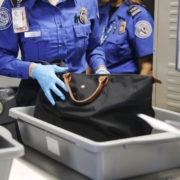
Protecting American Flyers & Airport Staff — Avoiding a “Failure of Imagination”

The phrase “failure of imagination” entered the national lexicon after the 9/11 Commission concluded that U.S. intelligence agencies didn’t anticipate terrorists using commercial aircraft as weapons — not because it was impossible to imagine, but because it wasn’t adequately planned for ahead of time. Wikipedia

Today, preventing another tragic lapse in foresight requires forward‑thinking security strategies — not just reaction. For aviation security, this means embracing layered defenses that protect passengers, employees, and facilities from evolving threats before they materialize.

Key components of effective airport security include:

  • Proactive threat screening: Implementing advanced screening for aviation workers and passengers to detect a wider range of dangers, including weapons and prohibited items, helps strengthen defenses against insider and outsider threats. Security Magazine
    Training & preparedness: Security personnel trained to recognize subtle indicators of risk are more likely to detect unusual behavior — bridging gaps before problems escalate.
    Collaboration & intelligence sharing: Seamless communication between airlines, private security, federal agencies, and local law enforcement improves situational awareness and response times.

Avoiding a “Failure of Imagination”

Frank Costa, President, Nexgen Protection Services, we help organizations think ahead, train proactively, and act confidently. Security is not just about responding — it’s about anticipating. By embedding forward‑looking practices into aviation security plans, we strengthen safety for flyers and airport employees alike.

#AirportSecurity #AviationSafety #SecurityLeadership #ThreatPrevention
#CrisisPreparedness #ProactiveSecurity #DefenseInDepth #SecurityTraining

APA Source
Cunningham, B. (2025). No more failures of imagination: Future proofing airport employee screening. Security Magazine. Retrieved from https://www.securitymagazine.com/articles/102053-no-more-failures-of-imagination-future-proofing-airport-employee-screening

Securing-the-Supply-Chain-Strengthen-Your-Enterprise-from-Every-Angle

Securing the Supply Chain: Strengthen Your Enterprise from Every Angle

By Frank Costa, President, Nexgen Protection Services

Is your enterprise a fortress with the back door left wide open?

With supply chain attacks rising 68% last year, your trusted vendors — the very partners you rely on — may be your biggest vulnerability. (Verizon, 2024)

Enter Cyber Supply Chain Risk Management (C-SCRM): a proactive approach to protecting your enterprise by managing risk across your entire ecosystem — not just within your walls.

Why Supply Chain Security Matters
Modern enterprises rely on interconnected vendors, contractors, and service providers. Each relationship is a potential entry point for attackers. A breach at a single supplier can cascade across your organization, disrupting operations, compromising data, and harming your reputation.

Key Components of C-SCRM

  • Vendor Risk Assessment: Evaluate third-party security practices before onboarding.

  • Continuous Monitoring: Track vulnerabilities, compliance, and emerging threats in real time.

  • Incident Response Coordination: Align your enterprise and vendor response plans to reduce impact.

  • Policy & Governance: Establish clear standards and enforce them across your ecosystem.

Benefits of a Proactive Approach
By implementing C-SCRM, organizations reduce exposure to third-party attacks, improve regulatory compliance, and gain actionable insights into potential weaknesses before they become crises.

The Bottom Line
A fortress is only as strong as its weakest gate. Protecting your enterprise today requires extending your risk management mindset to include every partner, supplier, and contractor in your supply chain.

The question isn’t if your enterprise will be targeted — it’s when. The difference is whether you’re ready.

#CyberSecurity #SupplyChainSecurity #EnterpriseRiskManagement #CSCRM #ThirdPartyRisk #RiskMitigation #BusinessContinuity #VendorManagement #CyberResilience

Reference
Verizon. (2024). 2024 Data Breach Investigations Report: Supply chain attacks increase 68%. Verizon Enterprise. (https://enterprise.verizon.com/resources/reports/dbir/)


Mobile-Patrols-Are-Leading-the-Way-—-Why-Today-We-Need-More-Flexible-Security.

Mobile Patrols Are Leading the Way — Why Today We Need More Flexible Security

By Frank Costa, President, Nexgen Protection Services


As organizations look for cost-effective, high-impact protection, mobile patrol security has emerged as a top choice. It delivers a strong, visible presence across wide areas — without the expense of a full-time, on-site guard.

In a landscape where threats shift quickly and budgets remain tight, mobile patrols offer the agility and deterrence businesses need to stay ahead.

High-Visibility Deterrence
Marked patrol vehicles and rotating patrol times make it harder for bad actors to predict security patterns — significantly increasing deterrence.

Coverage That Static Posts Can’t Match
Mobile units can monitor multiple buildings, parking lots, perimeters, and high-risk zones in a single shift, providing broader coverage at a fraction of the cost.

Flexible, Adaptive Protection
Whether it’s overnight property checks, construction-site monitoring, event support, or after-hours business patrols, mobile units adapt to changing needs in real time.

Instant Reporting & Verification
Modern patrols use GPS check-ins, time-stamped photos, and digital incident reports, giving clients real-time visibility and documented proof of rounds.

Budget-Friendly Security
Instead of staffing multiple fixed posts, organizations can deploy mobile patrols to maximize coverage, reduce blind spots, and keep costs manageable.

Why This Trend Matters

Proactive security is always more cost-effective than reactive response. As businesses face workforce shortages, rising trespassing incidents, and expanding facility footprints, mobile patrols provide the balance of strength, coverage, and affordability.

A flexible security model isn’t just smart — it’s necessary. And mobile patrols are leading that evolution.

#SecurityServices #MobilePatrol #PhysicalSecurity #RiskManagement #LossPrevention #CorporateSecurity #FacilitiesManagement #BusinessContinuity #SecurityTrends2025

Reference
Security Industry Association. (2023). Guidelines for effective mobile patrol deployment in physical security programs. SIA Publications.

Smarter-Coverage-Stronger-Deterrence-—-Why-Mobile-Security-Patrols-Matter-More-Than-Ever.

Smarter Coverage, Stronger Deterrence — Why Mobile Security Patrols Matter More Than Ever

By Frank Costa, President, Nexgen Protection Services

In today’s fast-moving threat environment, security can’t afford to sit still. That’s why mobile security patrols have become a critical layer in modern protective strategies — delivering flexibility, visibility, and rapid response far beyond what static posts can provide.

Mobile security service strengthens your perimeter and protects your people:

 Round-the-Clock Patrols
Mobile security teams don’t just drive by. Teams conduct floor-by-floor, exterior, and interior checks to ensure full coverage across your site — day and night.

Verified Accountability
Patrols are backed by photo verification, electronic check-ins, or seamless integration with your existing static-guard technology stack.

24/7 Dedicated Dispatch
Marked, well-maintained vehicles and a 24-hour dispatch line mean teams are ready to respond immediately — whether it’s a disturbance, trespass, alarm call, or unusual activity.

Why It Matters

Security becomes expensive when it’s reactive. Static guards are essential, but they can’t be everywhere at once. Mobile units expand coverage, adapt to changing conditions, and provide a visible, consistent deterrent across wider areas — all while keeping overhead lower than additional fixed posts.

For events, large facilities, after-hours operations, construction sites, or multi-building campuses, mobile patrols deliver the agility and presence needed to stay ahead of risk.

When visibility increases, incidents decrease — and proactive protection always costs less than reactive response.

#SecurityServices #MobilePatrol #RiskManagement #PhysicalSecurity #LossPrevention #FacilitiesManagement #BusinessContinuity #ProtectAndPrevent

Reference
Security Industry Association. (2023). Guidelines for effective mobile patrol deployment in physical security programs. SIA Publications.

The-New-Front-Line-How-Private-Security-Is-Filling-the-Gap-in-Americas-Police-Shortage.

The New Front Line: How Private Security Is Filling the Gap in America’s Police Shortage

By Frank Costa, President, Nexgen Protection Services

As police departments across the U.S. struggle with record staffing shortages, private security is stepping in — but not without raising serious questions about training, trust, and accountability.

With fewer sworn officers available, many cities and institutions are turning to private security firms to help fill the gap. In fact, private security personnel now outnumber public police officers in many areas. Governing+2TIME+2

This growing reliance brings both promise and concern — especially around how those private forces are trained, overseen, and integrated into public-safety strategies. Police1+2Facit Data Systems+2

That’s why a growing number of cities are exploring collaborative public–private safety models — combining the reach and flexibility of private security with the authority and oversight of public law enforcement. Police1+2Duke Law School+2

What’s driving the shift?

  • Many municipal police departments are operating well below fully staffed levels — leaving gaps in patrols, property protection, and non-emergency response. Police1+1

  • Private firms offer scalable, flexible solutions and often deploy technology (surveillance, rapid deployment, analytics) that budget-constrained departments may lack. Police1+1

What’s at stake?

  • Training and oversight standards for private security vary widely; many officers receive far less preparation than sworn police. Police1+1

  • Without clear legal frameworks and transparency, public trust can erode — especially if private guards handle sensitive tasks like deterrence or intervention. Police1+1

A path forward — thoughtful collaboration
For private security to complement police effectively, communities need structured agreements, clear role definitions, shared oversight and accountability, and equitable deployment across neighborhoods. When done right, collaboration can bolster safety — without compromising fairness or public trust.

The question isn’t if private security should help — but how we integrate it responsibly and transparently for the benefit of all.

#PublicSafety #PrivateSecurity #CommunitySafety #PoliceShortage #SecurityPartnership #LawEnforcement #UrbanSafety #PolicyInnovation

Reference
Altorfer, E. J. (2025). Can private security help solve the police staffing crisis? Police1.

Navigating Travel Disruptions Amid the Government Shutdown

Navigating Travel Disruptions Amid the Government Shutdown

By Frank Costa, President, Nexgen Protection Services

The ongoing U.S. government shutdown is impacting air travel, with air traffic controller shortages leading to increased flight delays and cancellations. Approximately 13,000 controllers and 50,000 TSA officers continue working without pay, exacerbating staffing challenges and operational strain at major airports like Dallas, Chicago, Atlanta, and Newark Reuters.

For travelers, it’s crucial to:

  • Arrive early at airports due to potential longer wait times

  • Monitor flight statuses regularly

  • Stay informed about potential service disruptions

Adaptability and preparedness are key to navigating these turbulent skies.

#TravelSecurity #AirTravelDisruptions #GovernmentShutdown #FlightDelays #TSA #AirTrafficControl #TravelTips #RiskManagement

Citation:

ASIS International. (2025). Travel platforms must evolve from reactive fraud blocking to proactive management. Security Management. Retrieved from https://www.asisonline.org/security-management-magazine/articles/2025/10/


When Prestige Meets Vulnerability: Lessons from the Louvre Museum Heist

When Prestige Meets Vulnerability: Lessons from the Louvre Museum Heist

By Frank Costa, President, Nexgen Protection Services

Thieves recently executed a swift and highly effective breach at the Louvre — underscoring a provocative truth: even the world’s most-renowned institutions are not immune to basic security failings. French authorities continue to search for the thieves responsible for Sunday’s Louvre heist as the museum security community reckons with the aftermath of a simple, yet stunningly effective, breach of security.”

This incident forces us in the security community to confront several critical questions:

  • Are we over-investing in the exotic rather than ensuring the basics (perimeter controls, access points, human vigilance)?

  • Could our breach scenarios be too narrow or outdated, focused on high-profile threats but neglecting low-tech, high-impact methods?

  • How often do we pause to ask whether our top value assets are placed / protected in alignment with our layered-defense strategy?

This isn’t a legacy asset problem. It’s a strategic one. The Louvre heist isn’t just about jewels—it’s about credibility, national heritage, and the trust of every visitor, stakeholder, and employee.

Let this serve as a wake-up call:


✅ Review your perimeter threats (including “low tech” tools)
✅ Re-examine your visitor-flow control and access routes
✅ Re-validate your security layers for modern, adaptable attack methods

Because when even the Louvre can be breached in a matter of minutes, no one can assume immunity.

#MuseumSecurity #RiskManagement #SecurityLeadership #PerimeterDefense #PhysicalSecurity #SecurityStrategy #LossPrevention #VulnerabilityAssessment #SecurityMagazine #LouvreHeist

Reference:
Alger, J. (2025, October 24). The Louvre heist: What was the state of the museum’s security? Security Magazine. https://www.securitymagazine.com/articles/101966-the-lourve-heist-what-was-the-state-of-the-museums-security