
Posts

Nexgen Protection Services on technology safety strategies.

Technology Supporting Safer Campuses

A large university sought to improve campus safety while maintaining an open, welcoming environment for students, faculty, and visitors. Protection services partnered with campus leadership to implement a technology-driven safety strategy focused on prevention, rapid communication, and community engagement.

Frank Costa, President, Nexgen Protection Services on technology safety strategies —

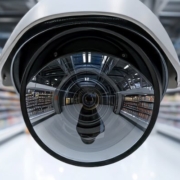
The initiative included launching a campus safety mobile app, upgrading the emergency mass-notification system, and expanding enhanced lighting and camera coverage in high-traffic and low-visibility areas. The safety app allowed users to quickly report suspicious activity, request escorts, and receive real-time alerts. Emergency notifications were redesigned for clarity and speed, ensuring critical information reached the campus community within seconds.

Protection services conducted outreach sessions to educate students and staff on how to use the new technology effectively. This proactive engagement increased adoption rates and encouraged shared responsibility for campus safety.

Within one academic year, the university recorded significantly faster alert dissemination during incidents, enabling quicker response and coordination by protection services. Reports of suspicious activity increased—not due to higher crime, but because students felt empowered and confident in reporting concerns early. Surveys also showed a measurable improvement in students’ perception of safety, particularly during evening hours.

Results of Security Technology:

  • Faster incident awareness and response times
  • Increased reporting and early threat identification
  • Improved student confidence and sense of security
  • Stronger connection between protection services and the campus community


Key takeaway:
When technology is paired with trained protection services and clear communication, it becomes a powerful tool for prevention, trust-building, and safer learning environments.

#CampusSafety #SecurityTechnology #StudentSafety #PublicSafety #RiskPrevention #SecurityLeadership #HigherEducation #ProtectiveServices


Seamless

Public Event Safety Through Seamless Coordination

Frank Costa, President, Nexgen Protection Services

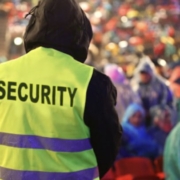
During a high-attendance city festival, protection services worked seamless alongside local law enforcement, medical teams, and event staff. When extreme heat caused multiple medical emergencies, security teams helped manage crowd flow, assisted medics, and ensured clear access routes. The event concluded safely with no major incidents.
Impact: Thousands attended safely, rapid response times, positive public feedback.

Why it matters:
These examples show how professional protection services quietly enable safe healthcare, education, and community engagement—often preventing incidents before they escalate.

#SecurityProfessionals #PublicSafety #HealthcareSecurity #CampusSafety #EventSecurity #RiskManagement #CommunityProtection #SafetyLeadership


Mental Health

Why Mental Health Matters in Security — Insights from John Rodriguez

In the demanding world of security, mental health isn’t a soft topic — it’s a professional imperative. John Rodriguez, Founder of Empathic Security Cultures LLC, emphasizes that security professionals face unique stressors that can impact performance, decision‑making, and overall well‑being if not properly addressed. 

Rodriguez draws attention to burnout, chronic stress, and psychological fatigue among security teams who are often on alert around the clock. These pressures, if left unchecked, can lead to diminished attentiveness, reduced resilience, and increased turnover — all of which can weaken organizational security. 

But it’s not just about the challenges — it’s about culture. Rodriguez advocates breaking down the stigma around mental health in the security profession, encouraging leaders to foster environments where psychological safety, empathy, and open communication are normal. This includes integrating support systems, training, and teamwork that acknowledge human experience as central to operational success. 

When mental health is prioritized alongside physical safety and procedural training, security teams become more resilient, more engaged, and more effective. And that stronger, healthier workforce directly benefits the organizations and communities they protect.

Frank Costa, President, Nexgen Protection Services, we recognize that security begins with people — and caring for their mental well‑being is essential to building teams that are not just strong, but sustainable.

#SecurityLeadership #MentalHealth #SecurityCulture #EmployeeWellbeing
#StressManagement #Resilience #PsychologicalSafety #SecurityTraining

APA Source
Alger, J. (2025). Key signs of mental health struggles in security. Security Magazine. Retrieved from https://www.securitymagazine.com/articles/102051-key-signs-of-mental-health-struggles-in-security

Reputation

How Effective Security Defends Brand Reputation

A brand’s reputation is built on trust—and security plays a critical role in protecting it. Customers expect safe, professional, and well-managed environments. When incidents like theft, disorder, or safety concerns go unchecked, the impact extends far beyond immediate loss and can damage long-term brand perception.

Effective security does more than respond to incidents. It prevents problems before they escalate, creating confidence among customers, employees, and partners.

Here’s how professional security protects brand reputation:

🔹 Visible deterrence
A trained, professional security presence discourages theft and disruptive behavior while reassuring customers.

🔹 Calm, professional response
When issues arise, skilled guards manage situations discreetly and respectfully—avoiding scenes that could harm public perception.

🔹 Consistency and accountability
Clear security procedures and reporting help ensure incidents are handled properly and transparently.

🔹 Employee support
Staff feel safer and more confident when security is present, improving morale and customer service quality.

Frank Costa, President, Nexgen Protection Services, we understand that every interaction reflects on your brand. Our guards are trained not just in protection, but in professionalism, communication, and prevention—because how security is delivered matters as much as having it.

Strong security isn’t just a safeguard—it’s a brand investment.

#BrandProtection #RetailSecurity #SecurityServices #LossPrevention
#CustomerTrust #AssetProtection #BusinessContinuity #ProfessionalSecurity

APA Source
National Retail Federation. (2023). National Retail Security Survey. National Retail Federation.

retail security

The Growing Role of Virtual Reality in Retail Security & Training

Virtual reality (VR) is gaining momentum in retail security—not just for immersive customer experiences, but also for employee training and loss prevention. VR allows staff and security teams to practice real-world scenarios in a controlled, risk-free environment, improving awareness, decision-making, and response times.

For loss prevention, VR training can simulate:


• Suspicious behavior recognition
• Proper intervention techniques
• Communication between staff and security
• De-escalation in high-stress situations

This hands-on approach helps employees learn faster and retain skills more effectively than traditional classroom methods.

However, despite its potential, widespread adoption remains limited. High implementation costs, scalability challenges, and varying levels of industry readiness mean VR is still an emerging tool rather than a standard solution across retail environments.

Frank Costa, President, Nexgen Protection Services, we closely track innovations like VR while continuing to deliver proven, practical loss prevention training that works today. As technology evolves, blending advanced tools with experienced security professionals will be key to reducing shrink and improving safety.

The future of retail security lies in smart training, adaptive strategies, and collaboration between people and technology.

#RetailSecurity #LossPrevention #SecurityTraining #RetailInnovation
#VirtualReality #AssetProtection #RetailSafety #FutureOfRetail

APA Source
PwC. (2022). Seeing is believing: How virtual reality and augmented reality are transforming business. PricewaterhouseCoopers.


Security-Guard-Stops-Violence-in-Its-Tracks-—-Knife-Wielding-Attacker-Shot-at-Hospital-

Security Guard Stops Violence in Its Tracks — Knife-Wielding Attacker Shot at Hospital ER

By Frank Costa, President, Nexgen Protection Services

A serious incident at Montefiore St. Luke’s Cornwall Hospital in Newburgh highlights the urgent role private security plays when public safety resources are strained. On the night of November 13, a 45-year-old man allegedly pulled a fire alarm in the hospital’s emergency-room lobby, then brandished a knife and attacked a security guard. In response, an armed guard fired one round — the attacker was pronounced dead. A bystander was also wounded, though her injuries are reportedly non-life-threatening. NBC New York+2CBS News+2

This tragic event underscores a larger reality: with police shortages and increasing demands on public safety, hospitals and institutions are increasingly reliant on private security. But while private guards can bridge critical safety gaps — especially in high-risk settings like emergency rooms — this incident raises important questions about training, protocols, accountability, and the burden placed on private security personnel.

As communities explore public–private safety partnerships, several priorities must guide decision-makers and security leaders:

  • Rigorous training & scenario preparedness — private officers may face life-and-death situations; proper training matters.

  • Clear rules of engagement and oversight — even justified force demands transparency and clarity.

  • Support systems for bystanders and staff — collateral trauma, as seen when a bystander was injured, must be addressed.

  • Collaboration with public safety & health institutions — coordination ensures that private security augments, not replaces, public-safety infrastructure.

Institutions can no longer assume security is a “nice to have.” As police staffing challenges persist, private security is becoming a frontline defense — especially in environments where lives, health, and community safety intersect.

It’s vital that we approach this shift with responsibility, structure, and accountability. When done right, public–private security collaboration can help protect communities — but only if standards are high and oversight is uncompromising.

#PublicSafety #PrivateSecurity #HospitalSecurity #SecurityLeadership #SafetyStandards #CommunitySafety #LawEnforcementPartnership #CrisisManagement

Reference
NBC New York. (2025, November 14). Hospital fire alarm puller shot dead in ER lobby after attacking security guard. City of Newburgh Police Department.

Artificial Intelligence in Security: Leadership Matters

Artificial Intelligence in Security: Leadership Matters

By Frank Costa, President, Nexgen Protection Services

While artificial intelligence offers security teams cutting-edge advantages, GSX 2025 keynote speaker Sol Rashidi emphasizes that security must take a leadership role in guiding how AI is deployed across organizations (ASIS International, 2025).

It’s not just about adopting technology—it’s about setting ethical boundaries, defining risk parameters, and ensuring AI supports business objectives safely. Security leaders who step up shape not only protection strategies but organizational trust.

#SecurityLeadership #AI #RiskManagement #Innovation #ThoughtLeadership #CyberSecurity #OrganizationalResilience #ASISGSX

Citation:
ASIS International. (2025). AI in security: Leadership roles in guiding organizational adoption. Security Management. Retrieved from https://www.asisonline.org/security-management-magazine/articles/2025/10/


Navigating Travel Disruptions Amid the Government Shutdown

Navigating Travel Disruptions Amid the Government Shutdown

By Frank Costa, President, Nexgen Protection Services

The ongoing U.S. government shutdown is impacting air travel, with air traffic controller shortages leading to increased flight delays and cancellations. Approximately 13,000 controllers and 50,000 TSA officers continue working without pay, exacerbating staffing challenges and operational strain at major airports like Dallas, Chicago, Atlanta, and Newark Reuters.

For travelers, it’s crucial to:

  • Arrive early at airports due to potential longer wait times

  • Monitor flight statuses regularly

  • Stay informed about potential service disruptions

Adaptability and preparedness are key to navigating these turbulent skies.

#TravelSecurity #AirTravelDisruptions #GovernmentShutdown #FlightDelays #TSA #AirTrafficControl #TravelTips #RiskManagement

Citation:

ASIS International. (2025). Travel platforms must evolve from reactive fraud blocking to proactive management. Security Management. Retrieved from https://www.asisonline.org/security-management-magazine/articles/2025/10/


Preventing Violence During Employee Terminations

Preventing Violence During Employee Terminations

By Frank Costa, President, Nexgen Protection Services

“Firing an employee is already disruptive… but it can also escalate from a disruption into violence” (ASIS International, 2025).

Leaders and HR professionals can reduce risk by:

  • Planning terminations carefully with clear procedures

  • Ensuring security presence when needed

  • Training managers to spot warning signs

  • Protecting staff and the organization without compromising professionalism

Terminations are never easy—but with preparation, they can remain safe and controlled.

#HRLeadership #WorkplaceSafety #RiskManagement #EmployeeTermination #SecurityManagement #Leadership #OrganizationalResilience

Source:
ASIS International. (2025). When employee terminations escalate: Managing disruption and preventing violence. Security Management. Retrieved from https://www.asisonline.org/security-management-magazine/articles/2025/10/


Navigating Different Work Styles that May Clash with Your Own

Navigating Different Work Styles that May Clash with Your Own

By Frank Costa, President, Nexgen Protection Services

“You can’t always pick your colleagues, but you can find the best way to work together—even with others whose work styles may clash with your own” (ASIS International, 2025).

For leaders and teams, this means:

  • Adapt communication to bridge style gaps

  • Focus on shared goals, not differences

  • Leverage strengths to complement weaknesses

  • Build collaboration habits that turn friction into innovation and productivity

Effective teamwork isn’t about liking everyone—it’s about working smart together.

#Leadership #Teamwork #Collaboration #WorkplaceCulture #EmployeeEngagement #ConflictResolution #ProfessionalGrowth #SecurityManagement #ThoughtLeadership

Source:
ASIS International. (2025). Working effectively with colleagues whose styles differ from your own. Security Management. Retrieved from https://www.asisonline.org/security-management-magazine/articles/2025/10/