
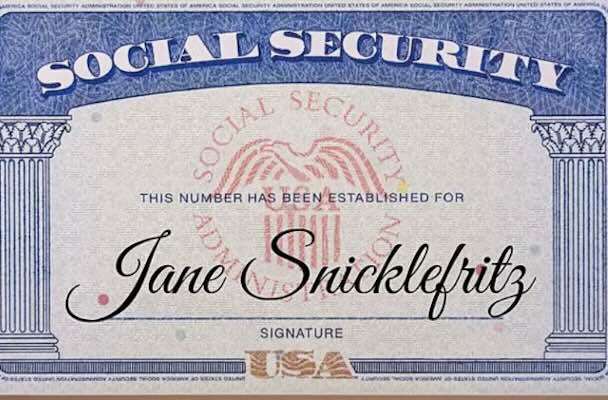
Trusted Sources, Such as the Federal Government, Are Scamming Americans
Frank Costa, President, Nexgen Protection Services, on how scammers impersonate trusted agencies:
Scamming is on the rise. Scammers are impersonating trusted government agencies to steal people’s personal information and money. Many Americans are being tricked into granting access to their financial information by fraudsters posing as reputable organizations such as the Internal Revenue Service (IRS), Amazon, and the United States Postal Service (USPS).
These scamming tactics send texts, phone messages, and emails with alarming phrases like “Your account has been locked” or “Due to unusual activity.” These scare tactics exploit victims’ judgment in moments of fear and panic, coercing them into revealing personally identifiable information and granting access to their financial accounts.
Source:
(March 26, 2025). Scammers Impersonated USPS More Than Other Organizations. Security Magazine.
Hashtags:
#ProtectionServices #SecurityStandards #PublicSafety #MobileSecurity #SecurityThreats

Ghost Ransomware Widespread Attacks on Organizations Internet-Facing Devices
Frank Costa, President, Nexgen Protection Services on Ghost Ransomware:
The Cybersecurity and Infrastructure Security Agency (CISA), the Federal Bureau of Investigation (FBI), and the Multi-State Information Sharing and Analysis Center (MS-ISAC) have issued a joint advisory on Ghost ransomware (also known as Cring).
The advisory, which is primarily aimed at network defenders, provides critical details on Ghost ransomware activities, including:
- Indicators of compromise (IOCs)
- Tactics, techniques, and procedures (TTPs)
- Detection methods
The data used to compile the advisory comes from FBI investigations into Ghost ransomware incidents. It highlights how Ghost actors are launching widespread attacks by targeting organizations that use outdated software and firmware on internet-facing devices. These threat actors often exploit publicly available code linked to Common Vulnerabilities and Exposures (CVEs) to gain access to vulnerable systems.
The advisory urges network defenders to carefully assess the risks and take appropriate measures to mitigate them. CISA also recommends reviewing the advisory and implementing its suggested mitigations. For additional guidance on ransomware protection, detection, and response, refer to the #StopRansomware initiative and the associated guide. More information on CISA’s Cross-Sector Cybersecurity Performance Goals (CPGs), including recommended baseline protections, is available on their website.
Source:
Alger, J. (February 21, 2025). CISA and FBI Issue Warning for Ghost Ransomware Activity. Security Magazine.
Hashtags: #protectionservices #securitystandards #publicsafety #mobilesecurity #securitythreats
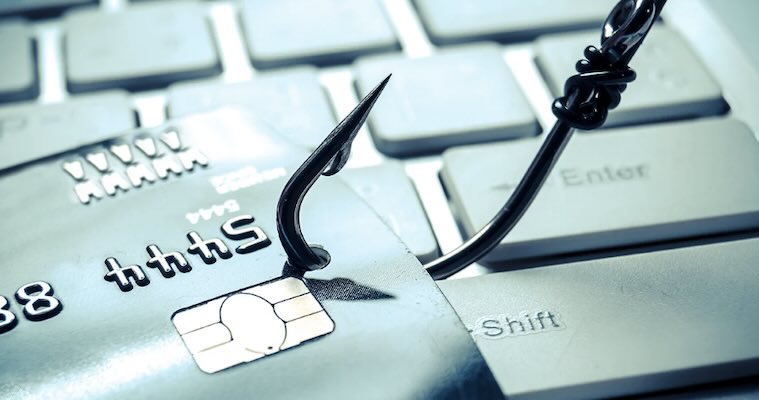
Phishing Threats Are on the Rise: Organizations Must Assess Their Vulnerability
Frank Costa, President of NEXGEN Protection Services on Phishing Threats:
As AI-powered tools become more accessible, phishing threats are aon the rise. Attackers are increasingly targeting multiple channels to bypass security measures, beginning with phishing emails that contain links to video meetings featuring a deep fake.
Phishing attacks are becoming increasingly sophisticated, making it essential for organizations to assess their vulnerability. Hackers now have access to advanced AI-powered tools that enable them to craft email messages, create malicious payloads, and even generate deep fakes. These technologies—and the cyberattacks they facilitate—are more accessible than ever, particularly as cybercriminals tap into the growing “Crime as a Service” (CaaS) ecosystem. Providers now sell everything from attack tools to pre-packaged phishing kits designed to bypass native defenses and secure email gateways (SEGs).
Threat actors can leverage AI at every stage of a phishing attack, from speeding up the intelligence-gathering process on potential targets to automating the creation and distribution of highly personalized attacks. The use of AI accelerates and scales up attack creation, allowing even less-experienced cybercriminals to launch sophisticated campaigns.
Impersonation attacks are another common tactic. The most frequent form involves attackers posing as the recipient’s company, accounting for 16% of phishing emails. The Human Resources (HR) department is often impersonated in these attacks. Cybercriminals also use platforms like LinkedIn, company websites, and news announcements to identify new hires at target organizations. These newly hired employees are then targeted in impersonation and social engineering attacks. New employees are frequently the victims of phishing emails impersonating VIPs, particularly in CEO fraud schemes.
To strengthen defenses, organizations can adopt best practices that help build a “human firewall.” The first step is to understand and communicate what constitutes normal behavior for brands and suppliers, which can aid in detecting impersonation. Organizations should also standardize and validate communication channels, especially for roles like HR and IT. Finally, companies should assess their vulnerability to supply chain and vendor-based compromises.
Source:
Alger, J. (February 20, 2025). Mobile Phishing Threats Are Evolving, According to New Research. Security Magazine.