

Security Requires Human Judgment
By Frank Costa, President, Nexgen Protection Services
Judgment. The security industry is evolving rapidly. AI-powered cameras, intelligent surveillance systems, and advanced monitoring technology are helping organizations identify threats faster and improve situational awareness. These innovations are changing how properties approach safety and risk management.
But even with smarter technology, clients still rely on trained security professionals who can make real-world decisions in real time. Cameras can detect movement. Artificial intelligence can analyze patterns. However, technology alone cannot de-escalate a confrontation, provide reassurance during an emergency, or exercise professional judgment in unpredictable situations.
Trained officers remain a critical part of any comprehensive security strategy. Their visible presence helps deter criminal activity, respond immediately to incidents, coordinate with law enforcement, and support the safety of tenants, employees, visitors, and customers. The most effective security programs combine modern technology with experienced personnel who understand how to respond under pressure.
Technology helps.
Professional presence still matters. Go with protection services that have a solid reputation that you can trust.
As security risks continue to evolve, organizations must evaluate whether their current approach is truly prepared for modern threats.
How is your property adapting to today’s changing security landscape?
#Security #ArtificialIntelligence #PrivateSecurity #RiskManagement #SecurityTechnology #PublicSafety #WorkplaceSafety #Surveillance #SecurityProfessionals #AI #PropertyManagement #FacilitySecurity #ThreatPrevention
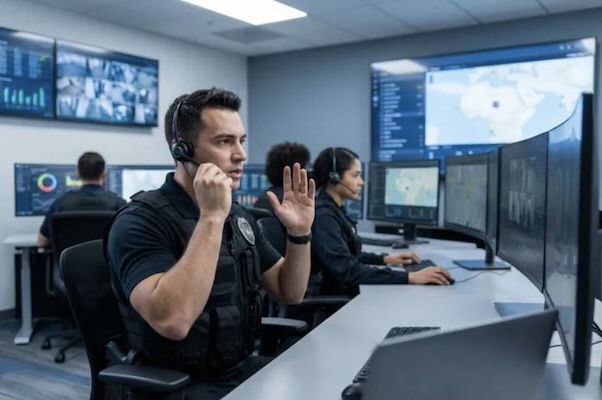
Technology Supports. Professionals Respond.
By Frank Costa, President, Nexgen Protection Services
Many organizations today are investing in drones, surveillance systems, and remote technology to gain visibility into incidents before first responders arrive. These tools can provide valuable situational awareness and improve response coordination. However, in many private security environments, trained professionals are already on site before a call is ever made.
At Nexgen Protection Services, our officers provide more than observation. They help deter threats before situations escalate, deliver immediate on-site response, assist with de-escalation, and coordinate directly with responding law enforcement and emergency personnel when necessary. A trained physical presence can make the difference between a controlled situation and a critical incident.
Technology enhances awareness, but it cannot replace professional judgment, communication skills, and real-time decision-making. Security personnel serve as the first line of prevention, helping create safer environments for businesses, healthcare facilities, residential communities, and public events.
The strongest security strategies combine modern technology with experienced professionals who are trained to respond effectively under pressure. Prevention, preparedness, and presence remain essential components of any comprehensive security plan.
Technology can support security.
Professional presence still matters.
#Security #PrivateSecurity #PublicSafety #SecurityProfessionals #RiskManagement #EventSecurity #WorkplaceSafety #LawEnforcement #DroneTechnology #SituationalAwareness #DeEscalation #SecurityServices
Reference
National Institute of Justice. (2023). The role of technology in modern security operations. U.S. Department of Justice. National Institute of Justice
Professional Security Protects Your Reputation
By Frank Costa, President, Nexgen Protection Services
Security at an event is about far more than having bodies at the door. True accountability comes from trained professionals who understand that security is a career, not a perk for free admission or event merchandise. Professional security personnel are vetted, insured, and trained in areas such as de-escalation, crowd management, emergency response, and conflict resolution.
When volunteers or untrained individuals are placed in security roles, the risk to guests, staff, and event organizers increases significantly. If a volunteer makes a poor decision, the liability and reputational damage still fall on the promoter or venue. Professional security teams, however, operate within established standard operating procedures (SOPs), training protocols, and legal guidelines designed to protect both attendees and organizers.
Strong security is not an expense; it is an investment in safety, operational continuity, and public confidence. Guests notice when an event is organized, controlled, and professionally managed. A visible, experienced security presence helps deter threats while creating a safer and more enjoyable environment for everyone involved.
Don’t build your event security plan on hope. Build it on professionalism, preparation, and accountability.
#EventSecurity #ProfessionalSecurity #PublicSafety #CrowdManagement #RiskManagement #SecurityProfessionals #EventPlanning #SafetyFirst #LiabilityProtection #SecurityServices #DeEscalation #EventManagement
Reference
Occupational Safety and Health Administration. (2024). Workplace violence prevention for employers. U.S. Department of Labor. OSHA Workplace Violence Prevention