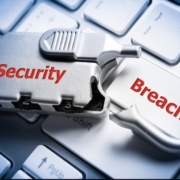

Why Every Business Needs a Data Security Strategy
By Frank Costa, President, Nexgen Protection Services
On the dark web, this kind of information is sold at a premium. Personally identifiable information (PII), credit card details, and healthcare records are particularly valuable. This is why every business, regardless of size or industry, must prioritize data security—the practice of protecting digital information throughout its lifecycle to prevent unauthorized access, manipulation, or loss.
Your sensitive data is under constant threat. Today’s cyber attackers use a variety of tactics—many of them covert and sophisticated—to gain unauthorized access to company networks. Once inside, they move laterally to identify and extract valuable information, including customer records, employee data, and proprietary business intelligence.
The Consequences of Poor Data Security
1. Financial Loss
When data breaches occur, the financial fallout can be devastating. While large corporations may face multi-million-pound recovery efforts, smaller businesses are not immune. Attackers don’t discriminate by company size—they’re after profit. According to IBM, UK companies spent an average of £3 million on breach recovery in 2020. Smaller businesses can expect to lose approximately £8,000 per incident—enough to cause significant operational disruption.
2. Reputation Damage
Beyond financial loss, a data breach can do long-term damage to your brand. Customers and business partners expect their data to be protected, and when trust is broken, it can be difficult to regain. Public perception is shaped not only by the breach itself but by how a company responds. Being transparent and proactive about your data security strategy builds trust—and that trust can be a competitive advantage.
Why a Data Security Strategy Is Essential
A robust data security strategy isn’t just a safeguard—it’s a business enabler. It gives stakeholders confidence, ensures regulatory compliance, and helps prevent costly disruptions. Key elements of a strong data security plan include:
- Access control and credential management
- Regular vulnerability assessments and penetration testing
- Employee awareness training
- Data encryption and backup protocols
- Incident response planning
Ultimately, the goal is to ensure that your data—and by extension, your business—remains secure and resilient against both internal and external threats.
Final Thoughts
Cyber threats aren’t going away—they’re evolving. Every business must move beyond passive defense and adopt a proactive data security strategy. Whether you’re safeguarding sensitive customer data, internal records, or intellectual property, data protection should be treated as a foundational element of your overall business strategy.
Source:
Simister, A. (April 11, 2025). How to Succeed with Loss Prevention Analytics. Loss Prevention Magazine.
Hashtags:
#ProtectionServices #SecurityStandards #PublicSafety #MobileSecurity #SecurityThreats